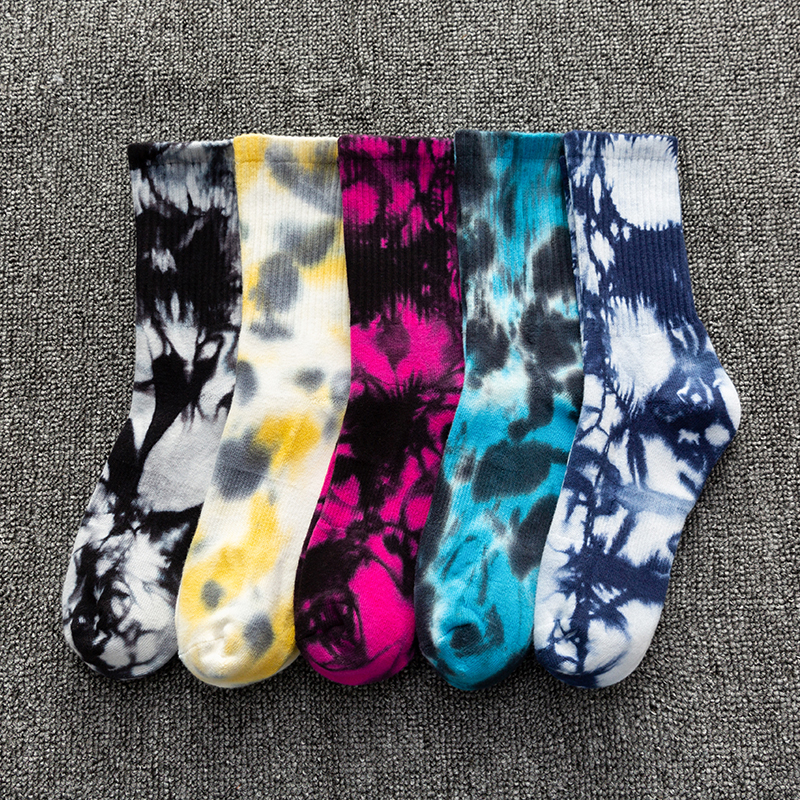
Design Principles of Compression Sports Socks
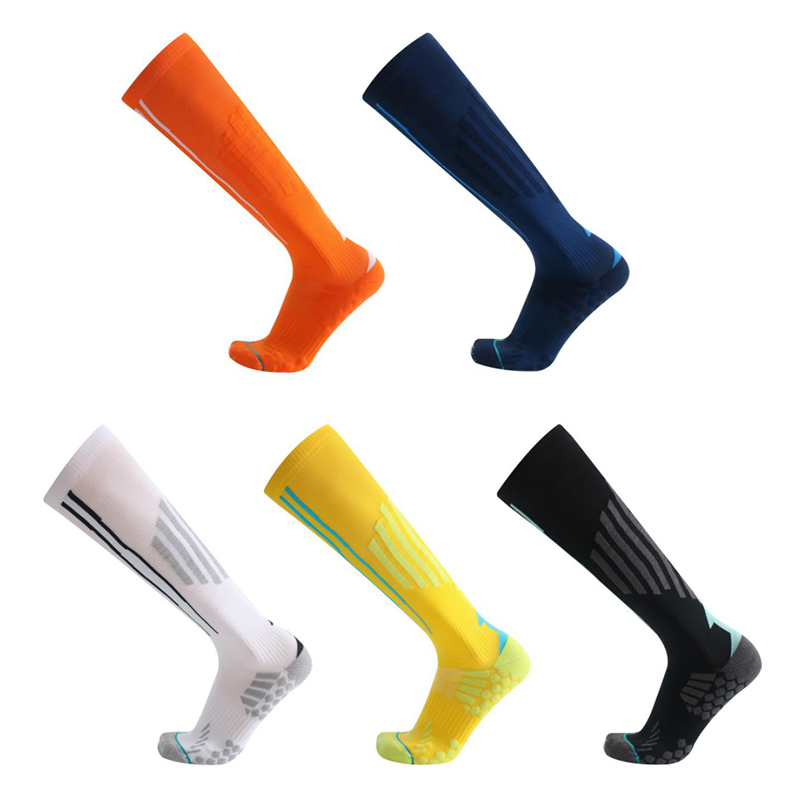
Compression sports socks apply graduated pressure along the leg, typically strongest at the ankle and gradually decreasing toward the calf. This design mimics the function of medical compression stockings, providing external support to the veins in the lower extremities. Materials commonly used include spandex, nylon, and other functional fibers, combined with high-elasticity knitting techniques to ensure the sock stays snug against the skin during activity. Pressure distribution and fit are key factors affecting the effectiveness of improving blood circulation.
Lower Limb Blood Circulation and Exercise Fatigue
Venous blood return in the lower limbs is strongly influenced by gravity. During prolonged standing, running, or high-intensity exercise, venous pressure in the calves and ankles increases, leading to blood pooling. This accumulation can cause muscle fatigue, soreness, and swelling, which may negatively impact athletic performance. Compression socks exert external pressure that promotes venous return to the heart, while also helping reduce micro-movement of muscles and the risk of exercise-related injury.
Mechanism of Compression Socks in Venous Return
The graduated compression design increases blood flow velocity in the veins and reduces blood stagnation. By applying higher pressure at the ankle and gradually decreasing pressure up the calf, the socks work in harmony with venous valves, facilitating upward blood flow. Clinical and sports medicine studies indicate that compression socks can reduce resistance to venous return, lower the incidence of post-exercise leg edema, and enhance muscle recovery.
Effects on Athletic Performance and Fatigue Recovery
Compression socks not only improve circulation but also stabilize muscles during activity. Muscle vibration during running or high-intensity training can lead to microdamage, affecting endurance and performance. Compression socks reduce muscle oscillation, decrease lactate accumulation, and delay fatigue onset. Wearing compression socks post-exercise can further accelerate metabolite removal and lactate clearance, promoting faster recovery.
Scientific Research and Experimental Evidence
Multiple sports science studies demonstrate that wearing graduated compression socks significantly improves lower limb blood flow during running, cycling, and high-intensity workouts. One study on marathon runners showed that participants wearing compression socks reported lower post-race leg fatigue compared to those who did not. Another study on resistance training participants found that compression socks reduced leg swelling during exercise and facilitated faster muscle recovery within 24 hours post-training. These findings provide solid scientific support for the benefits of compression socks on blood circulation.
Applications of Different Compression Levels
Compression socks are generally categorized by pressure levels: low (15–20 mmHg), medium (20–30 mmHg), and high (30–40 mmHg). Low compression is suitable for daily activities and light exercise. Medium compression is ideal for running, cycling, and gym workouts. High compression is primarily used for professional athletes or medical rehabilitation. Choosing the appropriate pressure level directly affects venous return efficiency and comfort.

 English
 Español