Socks are an essential part of everyday clothing, offering comfort and protection to the feet. With the growing demand for variety in fashion, socks have evolved into both functional and decorative accessories. Decorative socks and functional socks are two popular types of socks, each designed with different purposes and features. This article delves into the key differences between decorative socks and functional socks, helping you make an informed decision on which type to choose based on your needs.
Design Philosophy
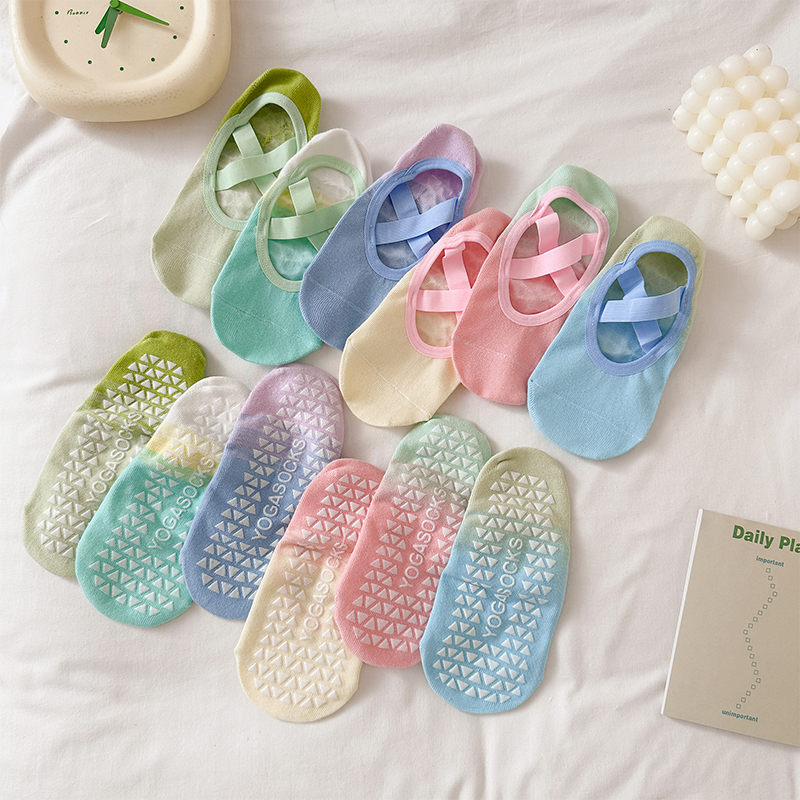
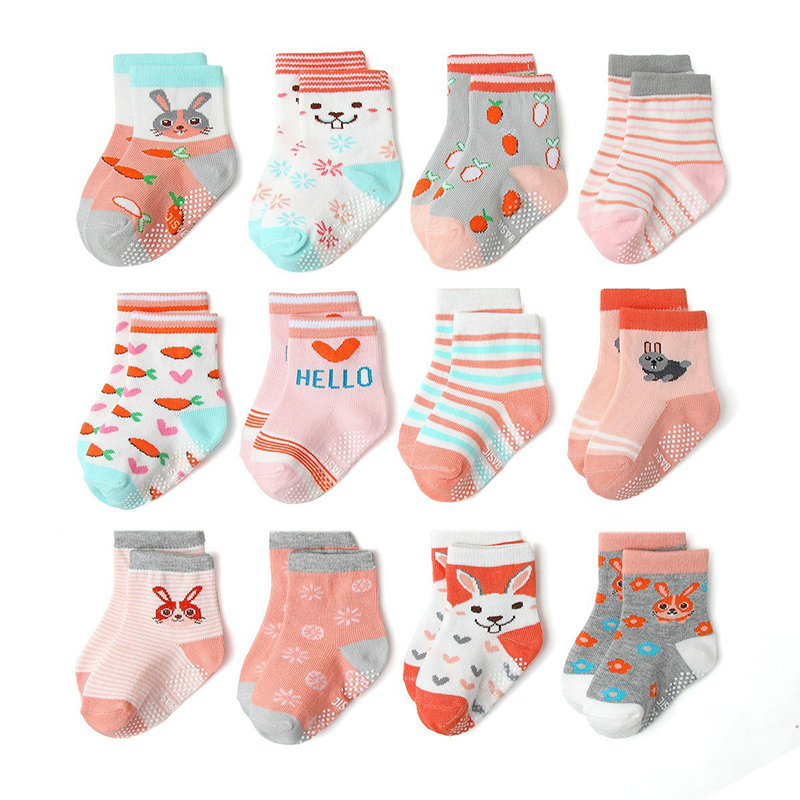
Decorative socks primarily focus on aesthetics and style. Their designs often feature bold patterns, vibrant colors, intricate embroidery, and embellishments such as lace or sequins. These socks are intended to enhance the visual appeal of an outfit and add personality to a person's wardrobe. They are commonly worn in social settings, parties, or fashion-forward events to make a statement.
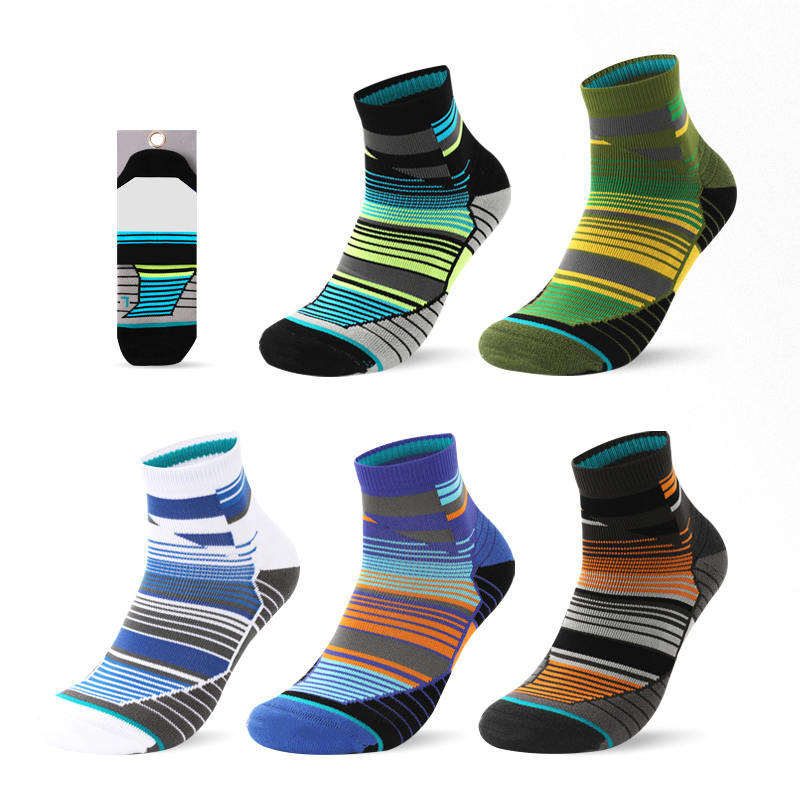
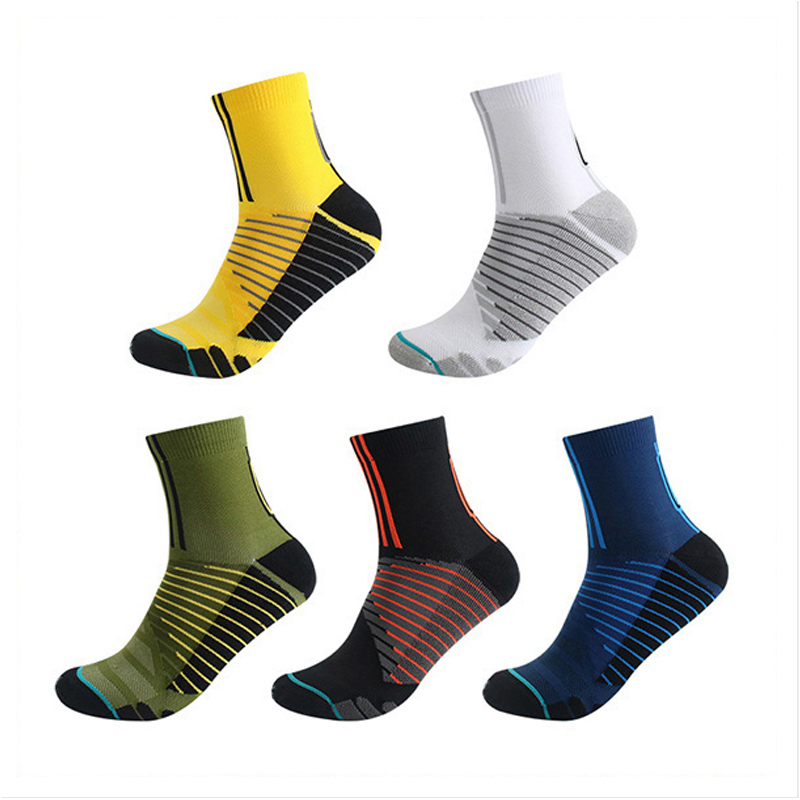
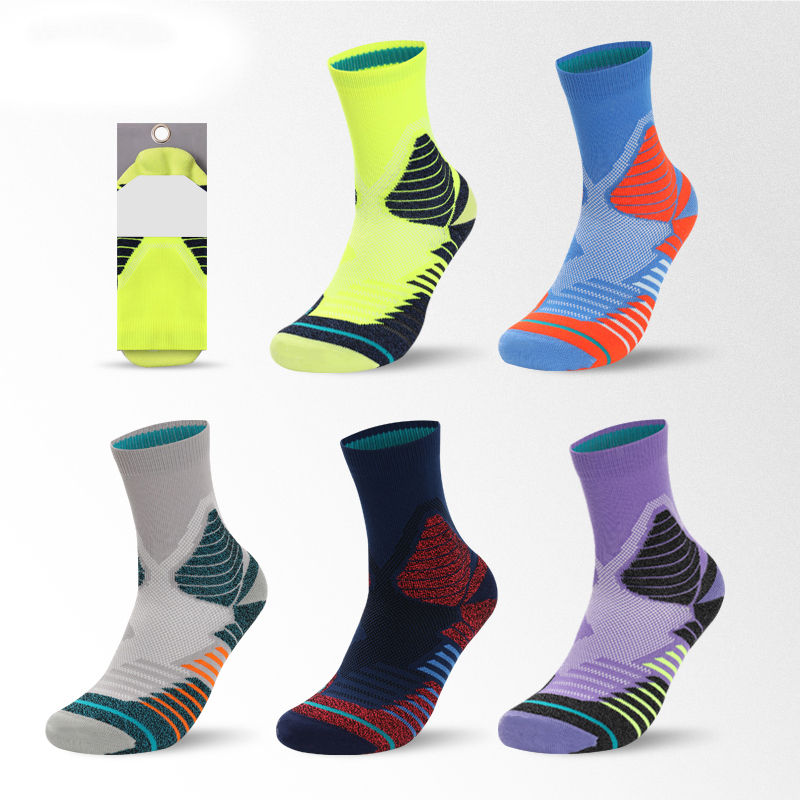
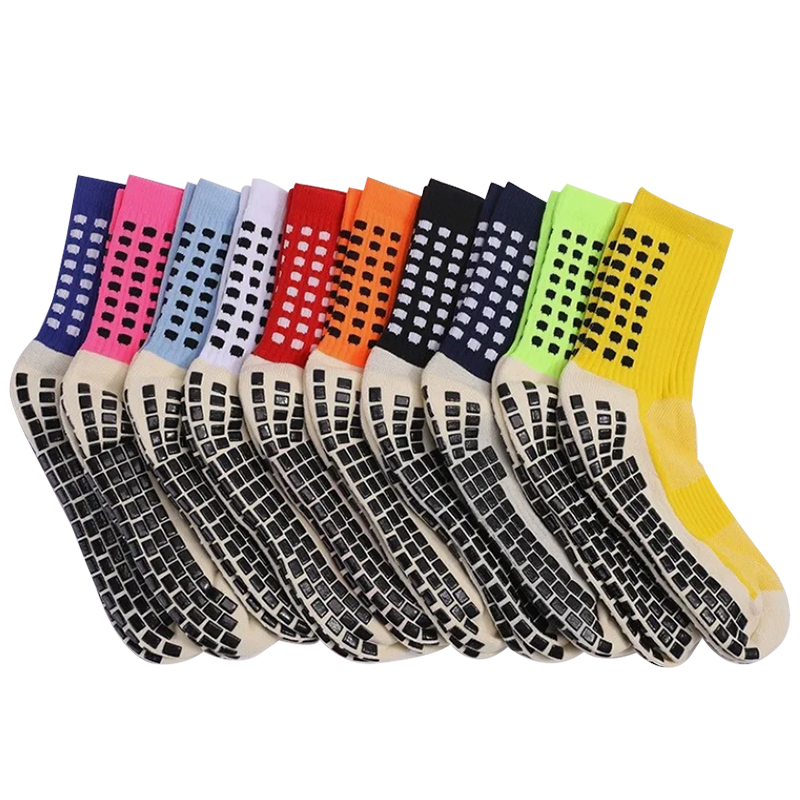
On the other hand, functional socks prioritize comfort, support, and practicality. Their design is simpler, with less emphasis on elaborate patterns. Instead, functional socks are engineered to provide optimal foot support, moisture-wicking properties, and protection during various activities like sports, hiking, or long hours of standing. The design of functional socks is all about enhancing comfort and performance rather than fashion.
Materials and Craftsmanship
The materials used in decorative socks are often lightweight, soft, and designed to enhance the aesthetic appeal. Fabrics like cotton blends, lace, and sheer materials are commonly used in decorative socks, allowing for intricate designs and fine detailing. However, the focus on decoration often means that these socks may not be as durable or practical for long-term wear, especially in terms of comfort and warmth.
In contrast, functional socks are made from high-performance materials like nylon, polyester, spandex, and merino wool. These materials offer excellent durability, moisture management, and breathability, making them ideal for active use. Functional socks often incorporate technologies such as anti-bacterial coatings, moisture-wicking fabrics, and compression zones to improve comfort and foot health. The emphasis is on longevity and comfort rather than appearance.
Usage Scenarios
Decorative socks are ideal for formal occasions, casual outings, or social events where style and fashion are a priority. These socks can complement an outfit, adding a playful or elegant touch depending on the design. They are perfect for pairing with dresses, skirts, or trendy shoes, where their visual appeal can stand out and contribute to a person's fashion statement.
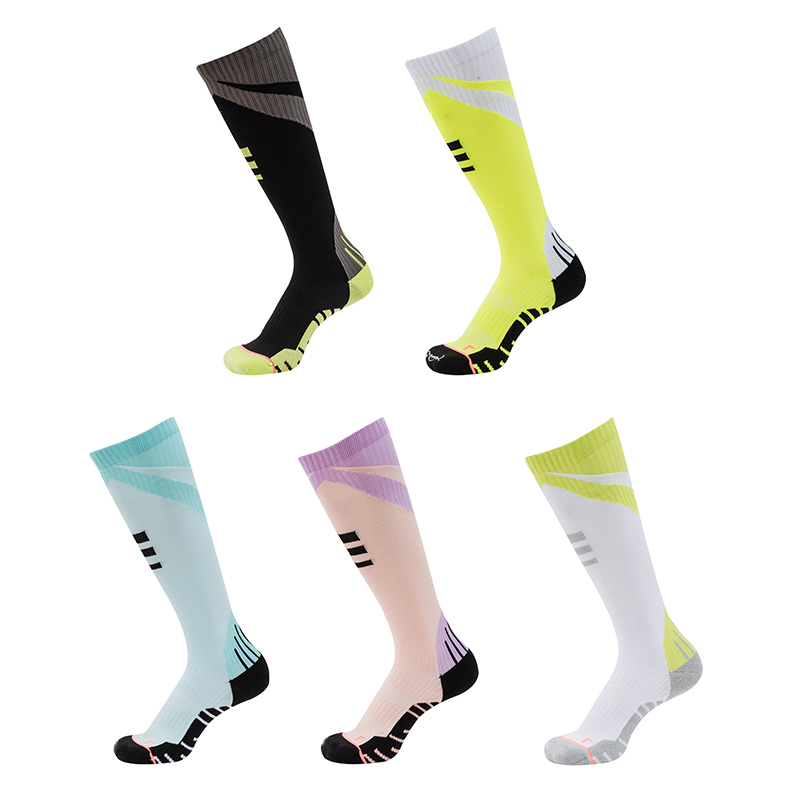
Functional socks, however, are designed for more practical purposes. They are suitable for activities such as sports, hiking, or long hours of work. For example, compression socks are designed to improve blood circulation and reduce swelling, while athletic socks are built to provide extra cushioning and moisture control during physical activities. Functional socks are focused on performance and protection, making them ideal for those needing comfort and support during prolonged wear or strenuous activities.
Comfort and Protection
While decorative socks offer style, they may not always provide the same level of comfort as functional socks. The addition of embellishments, such as sequins or embroidered patterns, can cause discomfort or friction against the skin when worn for extended periods. Additionally, decorative socks may not offer the same amount of insulation or cushioning, making them less suitable for colder weather or high-impact activities.
In contrast, functional socks are designed to optimize comfort. Many functional socks are anatomically designed to provide support where it’s needed most, such as extra cushioning in the heel or arch. Some even feature compression zones to reduce fatigue or improve circulation. These socks are often made from moisture-wicking materials to keep feet dry and comfortable during physical activities, and they may offer added warmth, protection, and padding, depending on the intended use.
Price and Market Positioning
Decorative socks often come with a higher price tag due to their intricate designs and the premium materials used for embellishments. These socks are typically positioned in the mid-to-high-end market, catering to consumers who prioritize style, uniqueness, and fashion. The price of decorative socks is largely driven by the aesthetic value they provide rather than their practical features.
Functional socks, on the other hand, are usually more affordable and offer better value for money, especially in terms of their performance and durability. While high-end performance socks, like those designed for athletes or medical use, can be expensive, many functional socks are reasonably priced. These socks are designed to meet specific needs like comfort, breathability, and support, and are available in a range of price points to suit different budgets.

 English
 Español