Classification of Sock Length
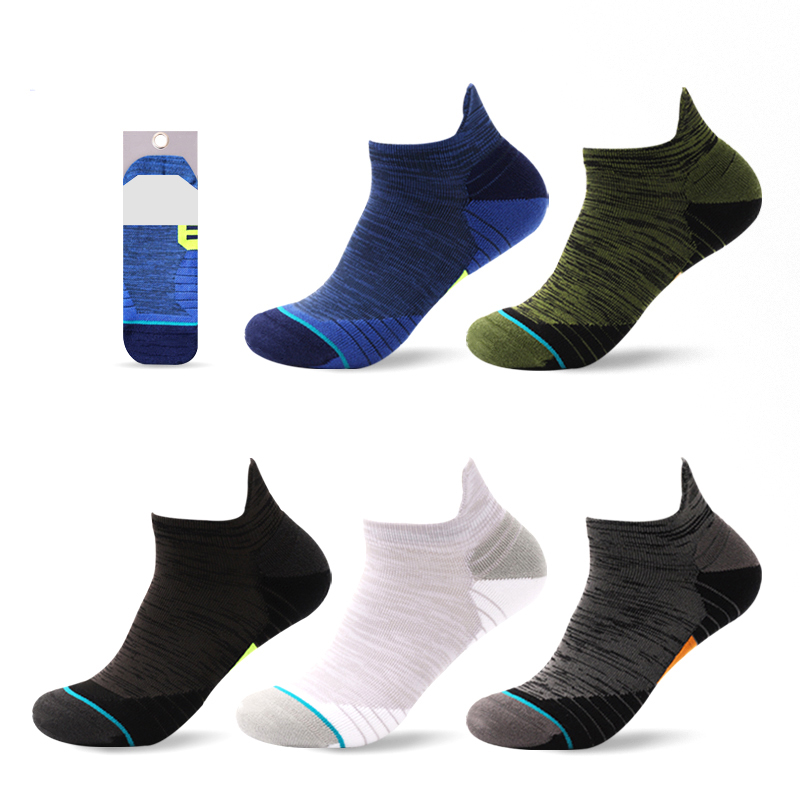
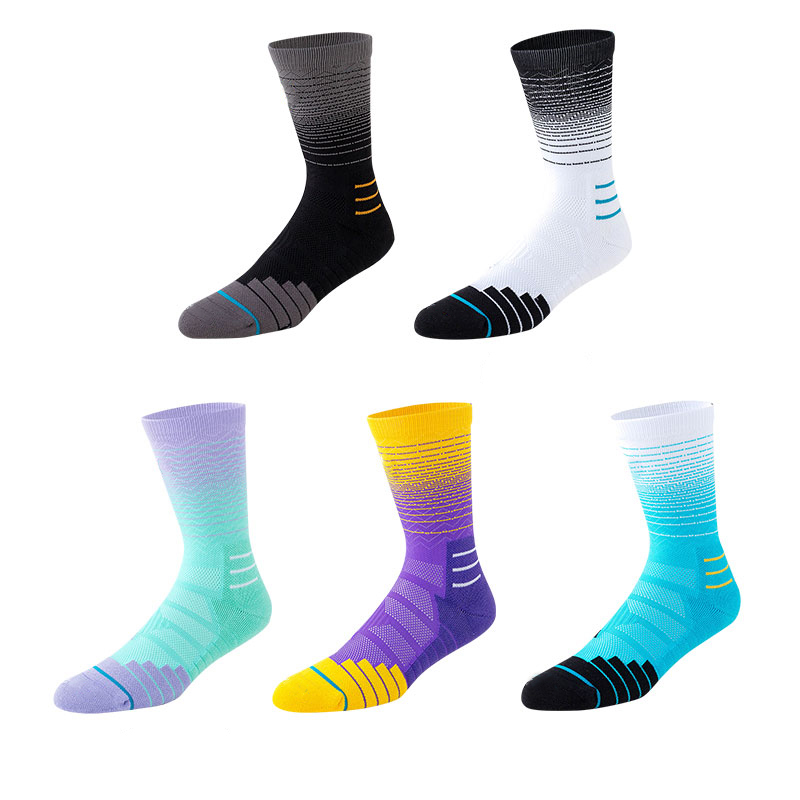
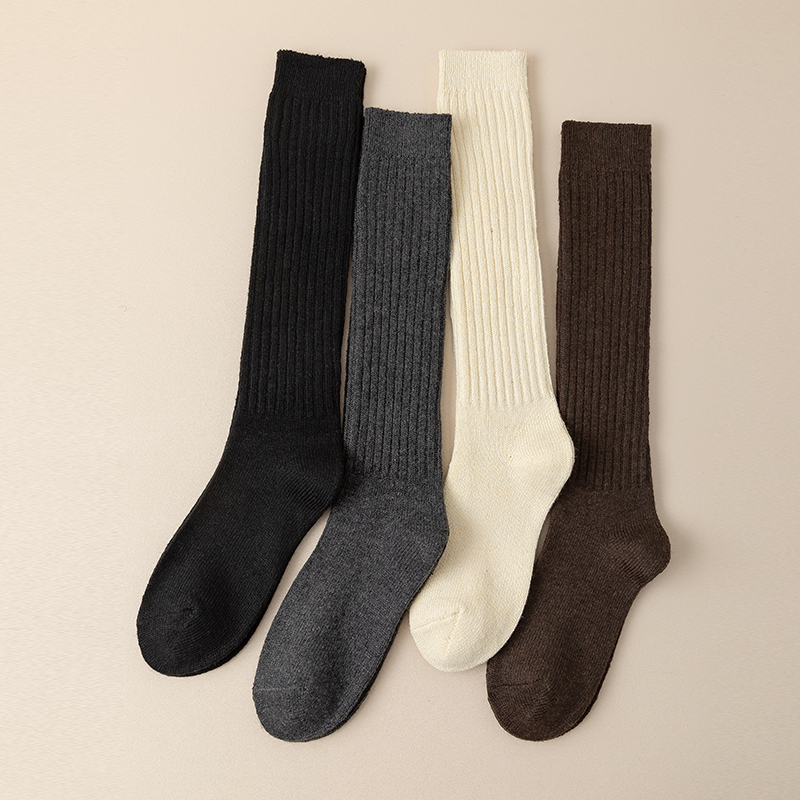
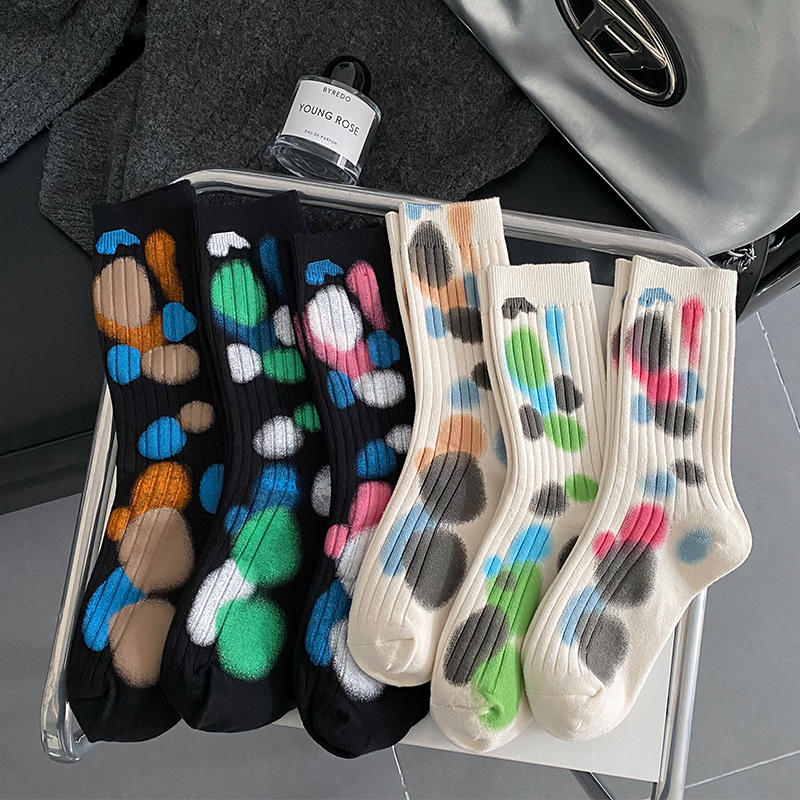
Sports socks can be categorized by length into ankle socks, no-show socks, calf-length socks, knee-high socks, and over-the-knee socks. Ankle socks cover the ankle and are suitable for short-distance running and everyday training. No-show socks sit slightly above the ankle, offering more protection while maintaining breathability. Calf-length socks reach mid-calf, helping stabilize muscles and improve blood circulation. Knee-high socks extend to the knee, ideal for cold weather or professional sports protection. Over-the-knee socks cover the lower leg or thigh and are used in high-intensity sports such as soccer, skiing, or activities requiring comprehensive protection.
Suitability of Ankle Socks
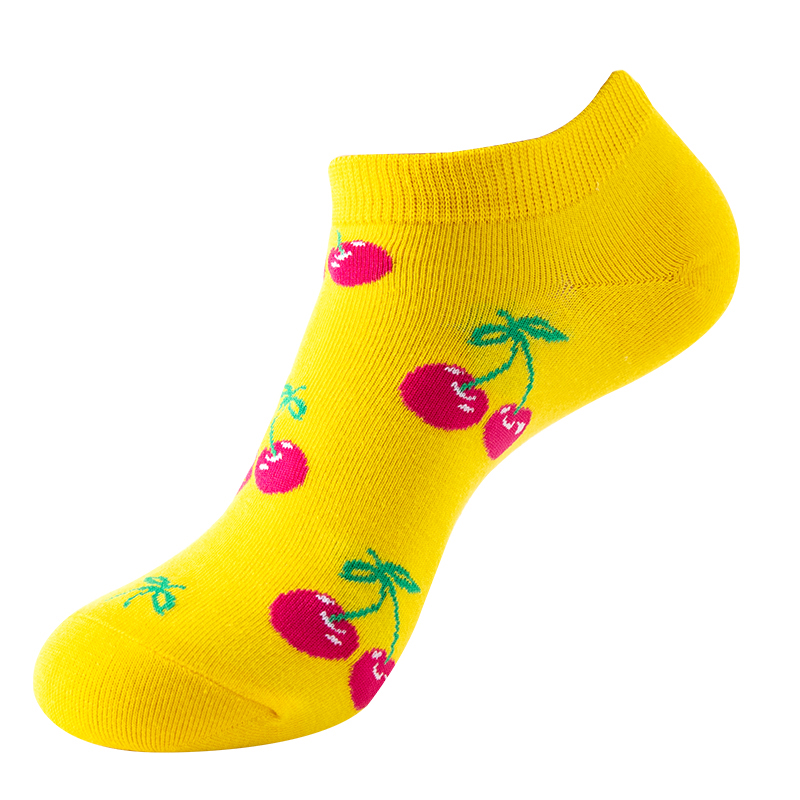
Ankle socks are lightweight and highly breathable, making them ideal for jogging, gym workouts, and casual sports. Their low coverage minimizes restriction and allows for maximum ankle mobility. In warm climates or indoor training, ankle socks promote sweat wicking and reduce heat accumulation in the feet. Ankle socks perform well in speed-focused training or short-duration activities but offer limited protection in high-intensity, long-duration exercises or cold conditions.
Suitability of No-Show Socks
No-show socks provide slightly higher coverage than ankle socks, suitable for treadmill workouts, outdoor jogging, and strength training. The sock collar offers moderate support and prevents slipping, enhancing overall comfort. No-show socks balance breathability with support, making them ideal for moderate-intensity exercises. They allow freedom of movement while providing additional ankle protection.
Suitability of Calf-Length Socks
Calf-length socks often feature light compression, supporting blood circulation and stabilizing calf muscles. They are commonly used in long-distance running, cycling, and high-intensity interval training. The extended coverage helps reduce friction, vibration, and muscle fatigue. For prolonged workouts or activities requiring muscle support, calf-length socks improve performance and aid in faster recovery.
Suitability of Knee-High Socks
Knee-high socks extend to the knee and are widely used in cold environments or sports with higher protection needs, such as skiing, basketball, and soccer. They help maintain knee and calf warmth, reducing the risk of injury. Compression or elastic designs provide stability to surrounding muscles, lowering joint stress. Knee-high socks offer extra protection during long-duration outdoor or high-impact sports, enhancing safety and comfort.
Suitability of Over-the-Knee Socks
Over-the-knee socks provide full lower-leg coverage and are commonly used in professional sports or extreme conditions such as mountaineering, skiing, or rugby. The extended coverage protects against abrasions, bruises, and heat loss in cold environments. Some over-the-knee socks incorporate graduated compression to improve blood circulation and enhance endurance. They are suitable for scenarios requiring maximum protection and performance support.
Selecting Sock Length by Sport Type
Runners, gym-goers, and casual athletes often prefer ankle or no-show socks for a balance of breathability and comfort. Long-distance runners, cyclists, and high-intensity trainees benefit from calf-length or knee-high socks, providing muscle support and improving circulation. Soccer, basketball, and skiing players typically use knee-high or over-the-knee socks for joint protection and safety. Environmental temperature also plays a key role, with longer socks recommended for cold conditions to maintain warmth and circulation.
Material Considerations by Sock Length
Sock material selection varies with length. Ankle and no-show socks prioritize breathability and moisture-wicking, often using cotton, polyester, or blended functional fibers. Calf-length and knee-high socks incorporate spandex or compression fibers to enhance support and elasticity. Over-the-knee socks in professional or cold-weather sports use thicker, insulating materials while maintaining breathability and sweat-wicking performance. Material and length together affect comfort, protection, and athletic performance.

 English
 Español