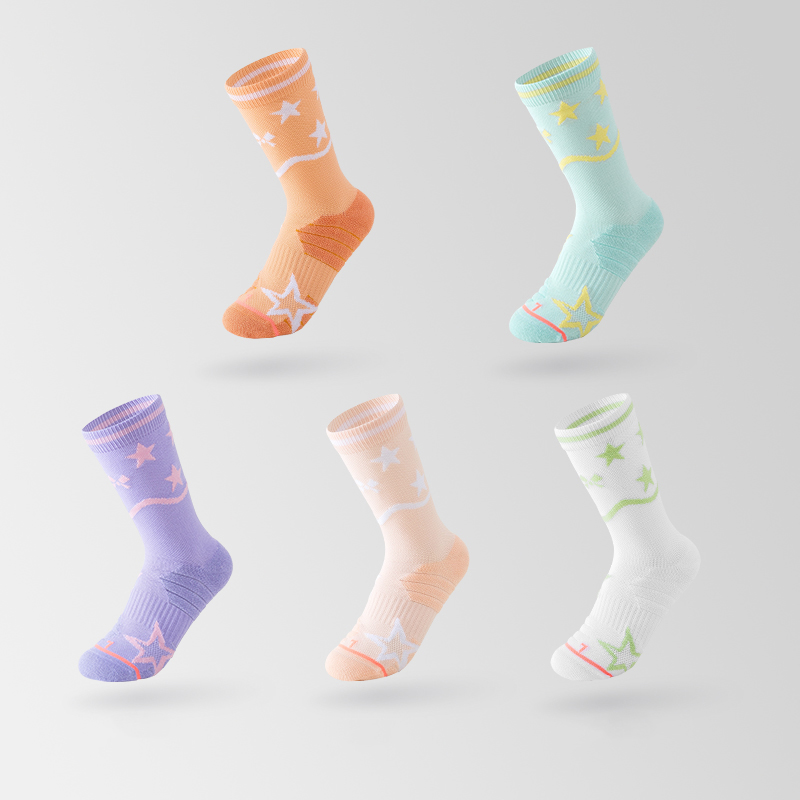
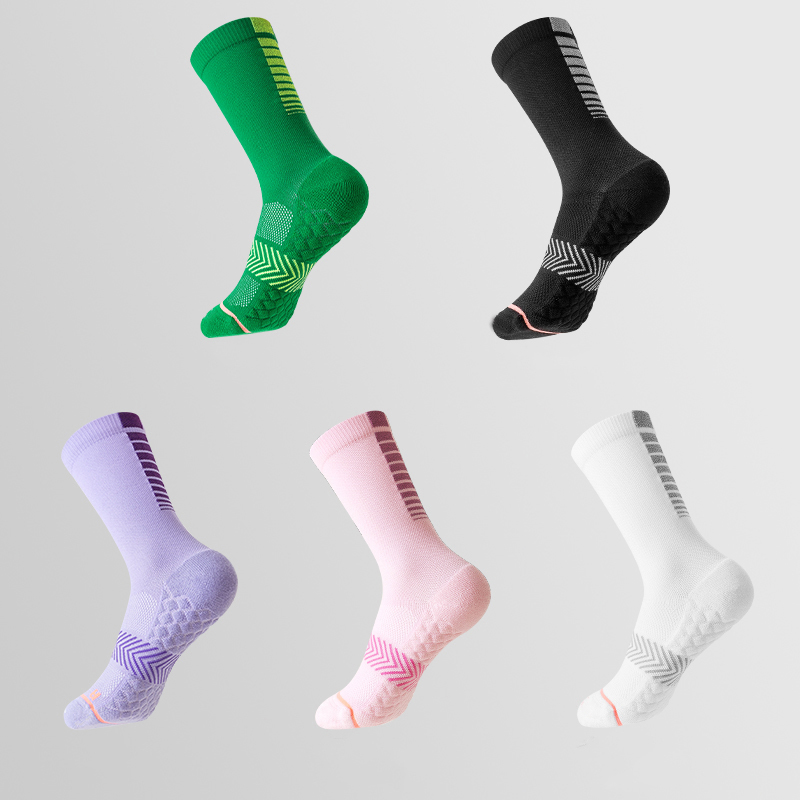
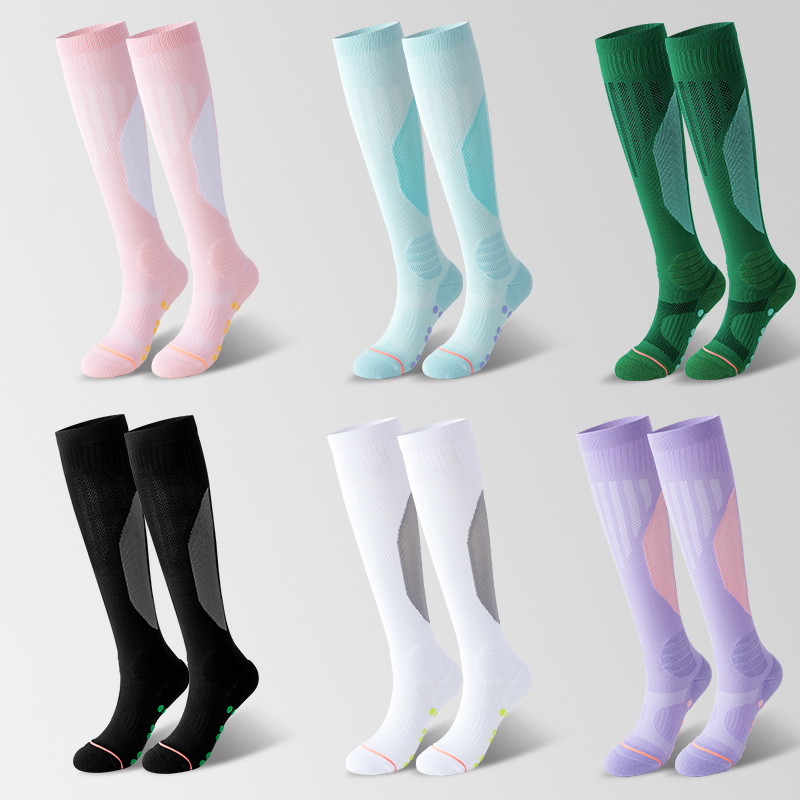
Socks are an essential part of everyday wear, and decorative socks, in particular, serve not only to offer comfort but also to make a fashion statement. However, different foot shapes require different considerations when designing socks. A well-designed decorative sock should not only look stylish but also cater to the unique needs of different foot types. This article discusses how to design decorative socks that are comfortable and stylish for various foot shapes.
Understanding Different Foot Shapes
To design decorative socks that fit well and look good, it's crucial to understand the characteristics of different foot shapes. Feet can be broadly categorized into the following types:
- Standard Foot: A foot with a moderate arch and an evenly proportioned width that fits most sock styles.
- High Instep: A foot with a more pronounced arch, which may cause discomfort or tightness in the top of the sock.
- Flat Feet: A foot with little to no arch, resulting in more surface contact with the ground. This may cause discomfort without proper support.
- High Arch: A foot with a pronounced arch, leading to pressure being concentrated in the center of the foot and potential for the sock to slip off.
- Wide Feet: A foot with a broad toe box, which may feel tight in narrow socks and requires extra space in the design.
By understanding these basic foot shapes, designers can create socks that meet the needs of various foot types while also maintaining a stylish, decorative appearance.
Key Design Considerations: Comfort and Aesthetics
When designing decorative socks for different foot shapes, achieving a balance between comfort and aesthetics is essential. For those with unique foot shapes, it is necessary to incorporate features that support both a good fit and the sock's decorative appeal. Here are some design considerations for specific foot types:
- Designs for High Instep: Socks designed for people with high insteps should avoid tight-fitting tops. Materials with greater elasticity or adjustable features (such as ribbed bands or adjustable straps) help avoid constriction while still maintaining a stylish look.
- Designs for Flat Feet: For flat feet, socks need to offer support, particularly in the arch area. Adding thicker soles or built-in support pads can help distribute pressure evenly. Soft, stretchy fabrics that mold to the foot shape are ideal for this foot type.
- Designs for High Arches: High-arched feet require additional support in the arch area. Designers can incorporate targeted compression or support bands in the midfoot to keep the sock in place and provide extra cushioning where needed.
- Designs for Wide Feet: People with wide feet need socks that offer more space in the toe box and a more flexible fit around the foot. Using stretchable, breathable fabrics can help prevent discomfort. Avoiding too-tight elastic at the opening ensures that socks won’t dig into the skin.
Material Selection for Comfort and Fit
The choice of materials plays a critical role in designing decorative socks that are both comfortable and stylish. Different foot shapes demand materials that provide the right level of stretch, breathability, and comfort. The following materials are commonly used for different foot shapes:
- Elastic Materials: To accommodate various foot shapes, socks should use materials with good elasticity, such as spandex or Lycra. These fabrics allow the sock to stretch and mold to the foot shape without being too tight or too loose.
- Breathable Fabrics: Breathability is key to ensuring comfort throughout the day. Cotton, wool blends, and moisture-wicking fabrics help keep the feet dry and cool, reducing the risk of discomfort caused by sweat.
- Supportive Materials: For flat feet or high arches, socks should incorporate materials with compressive qualities. Compression fabrics provide extra support and alleviate pressure in specific areas, improving comfort for people with specific foot conditions.
Incorporating Decorative Elements
Decorative socks need to maintain a balance between style and comfort. The key to successful design is to add ornamental elements in a way that enhances the appearance without compromising the fit. Here are some ways to incorporate decorative features without sacrificing comfort:
- Patterns and Colors: Different foot shapes may prefer simpler designs or more intricate patterns. For example, wide feet might prefer minimal patterns that don't add unnecessary bulk, while people with high arches can enjoy delicate lace or embroidered designs that accentuate their foot's natural curves.
- Cuff Design: The cuff or top band of the sock should not be too tight to avoid restricting blood flow. For decorative purposes, cuffs can be embellished with ruffles, lace, or contrasting colors, provided they are soft and stretchy enough to avoid discomfort.
- Decorative Details: Adding small, stylish elements like sequins, beads, or subtle embroidery can enhance the visual appeal of the socks. However, these details should be added strategically to avoid any irritation or discomfort during prolonged wear.

 English
 Español