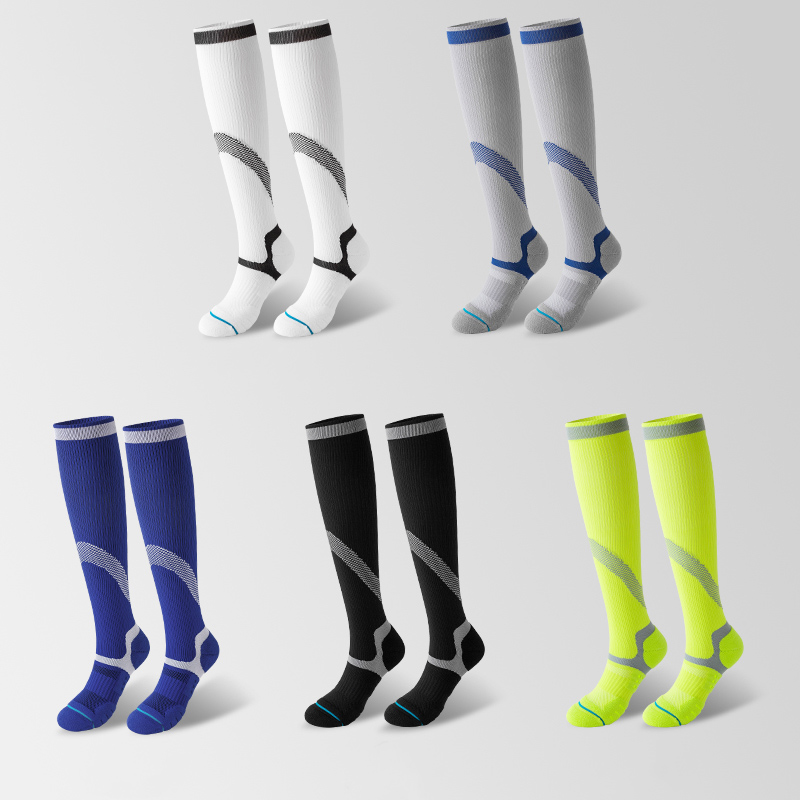
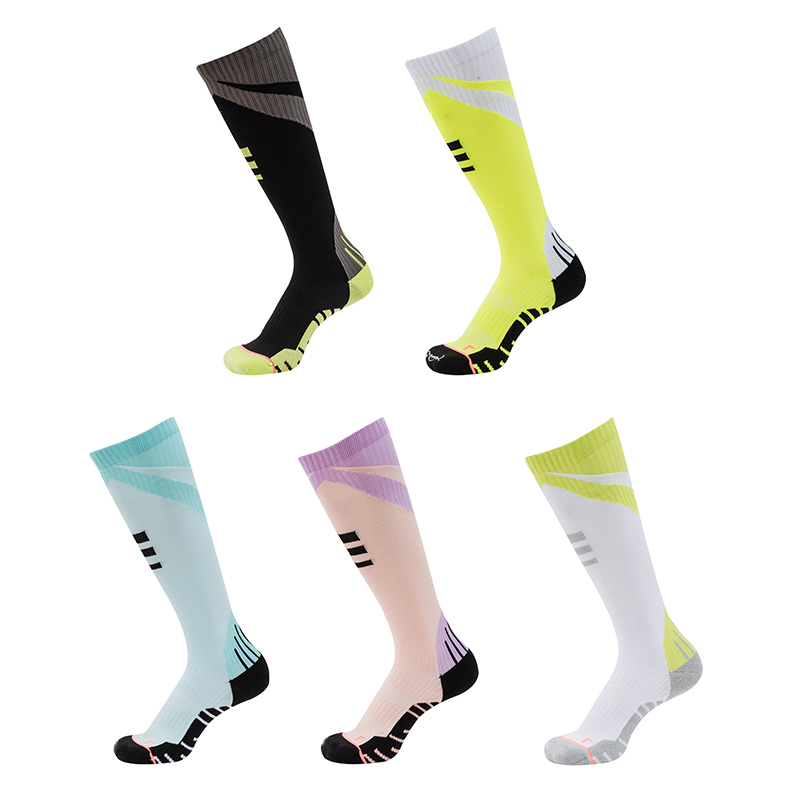
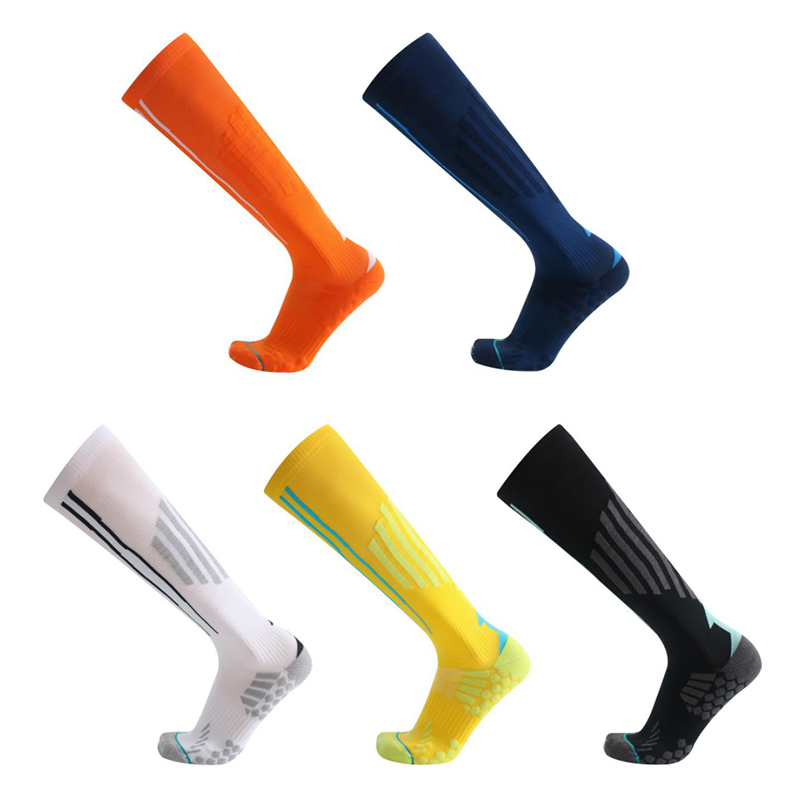
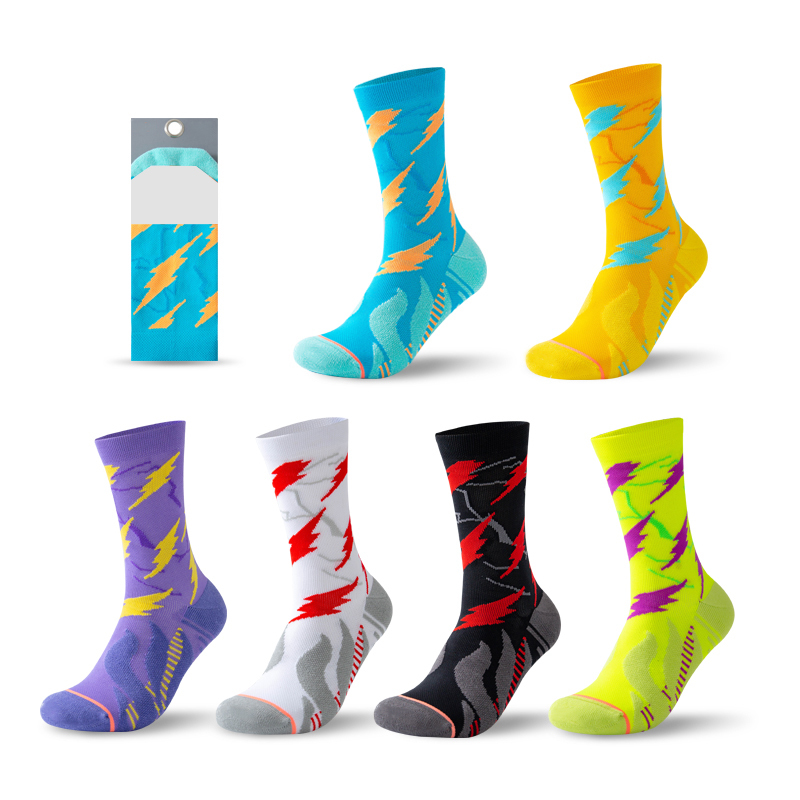
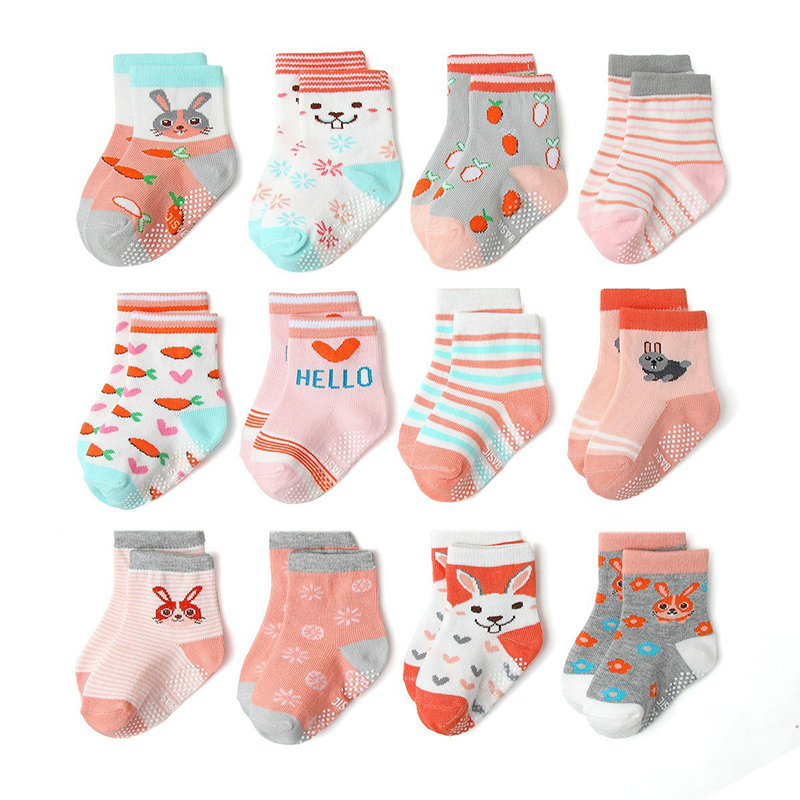
Baby socks are essential items for everyday wear, providing warmth and comfort while supporting foot development. However, as babies grow and become more active, their socks undergo significant wear and tear due to frequent movements and environmental factors. These issues can affect the comfort, durability, and appearance of the socks. This article will explore the most common wear and tear problems in baby socks, the reasons behind them, and possible solutions.
1. Heel and Toe Wear
One of the most common areas for wear in baby socks is the heel and toe. Babies are constantly moving, crawling, standing, and learning to walk, which leads to increased friction on these parts of the sock. Over time, this can cause the fabric to thin, tear, or become worn out.
-
Cause: As babies crawl or walk, their feet make frequent contact with surfaces, causing friction. The heel and toe areas, in particular, experience significant wear. Additionally, socks without anti-slip features are more prone to wear in these areas due to direct contact with the ground.
-
Solution: Many baby socks are designed with reinforced heel and toe areas, using more durable materials to prevent excessive wear. Additionally, some socks feature anti-slip grips or rubber coatings on the sole, which reduce friction and extend the lifespan of the socks.
2. Loose Cuffs and Elastic Loss
The cuff of a baby sock plays a crucial role in keeping the sock in place. However, over time, the elastic band around the cuff may lose its stretch, leading to loose cuffs that no longer hold the sock snugly around the baby's ankle. This can cause discomfort and make the socks slip down frequently.
-
Cause: Baby socks are often stretched repeatedly as the baby moves and grows, causing the elastic to lose its elasticity. The cuff may also become loose due to frequent washing or improper sizing, leading to an inadequate fit.
-
Solution: Choosing socks made from high-quality, elastic materials can help maintain the snugness of the cuff. It's also important to select socks that fit the baby's size properly to avoid overstretching the elastic. Many brands offer socks with advanced elastic bands that retain their stretch for longer, reducing the likelihood of the cuffs becoming loose.
3. Pilling and Fraying of the Fabric
Pilling and fraying are common issues that occur on the surface of baby socks. Pilling happens when the fabric fibers break and form small balls, while fraying occurs when the fibers begin to unravel. Both of these issues can affect the appearance and comfort of the socks.
-
Cause: The fabric of the socks, especially those made from wool or high-fiber materials, is prone to pilling and fraying with frequent friction and washing. As babies move, crawl, or play, the constant contact with surfaces can cause the fabric to degrade. This issue is exacerbated if the socks are made from low-quality or loosely woven materials.
-
Solution: Opting for high-quality, tightly woven socks can help minimize pilling and fraying. Additionally, using a fabric softener or washing the socks inside out can help reduce friction during washing. Some manufacturers treat their socks with anti-pilling technology to prevent this issue, so look for these features when selecting socks.
4. Wear on Anti-Slip Features
Anti-slip designs, such as rubber grips or silicone coatings, are a key feature of many baby socks, especially for babies who are crawling or learning to walk. However, these anti-slip elements are prone to wear and tear, especially with heavy use.
-
Cause: As babies move around on various surfaces, the anti-slip designs can wear off due to constant friction. In particular, socks that are worn on hard floors or rough surfaces can see their rubber grips or silicone coatings degrade over time, reducing their effectiveness.
-
Solution: Choose socks with durable and high-quality anti-slip designs, such as full-foot coverage with rubber or silicone that is embedded into the fabric. Some socks use stronger, more resilient materials for their anti-slip features, ensuring they last longer. Regularly checking the condition of the anti-slip elements can also help identify when it’s time to replace the socks.
5. Accumulation of Odor and Stains
Due to the high sweat output in babies' feet and the fact that socks are in direct contact with the ground, baby socks often accumulate odors, sweat, and stains. This not only affects the hygiene of the socks but can also lead to unpleasant smells and discomfort for the baby.
-
Cause: Babies' feet sweat more than adults' feet, and the socks absorb this moisture. Over time, if the socks are not washed frequently or properly, the moisture can lead to the growth of bacteria, which causes odors. Additionally, spills, dirt, or food stains may accumulate on the socks.
-
Solution: Opt for socks made from breathable materials such as cotton or bamboo fiber, which can wick away moisture and reduce odor buildup. Regular washing is key to preventing odor and stain accumulation. Using gentle, baby-safe detergents and ensuring socks are thoroughly dried after washing will help keep them clean and odor-free.
6. Fabric Stretch and Loss of Shape
Over time, baby socks may stretch out, losing their shape and fit. This is particularly common with socks made from synthetic materials that have lower elasticity or with socks that are worn for extended periods. Stretched-out socks can slip off easily and may no longer provide adequate support or comfort.
-
Cause: The constant pulling and stretching of the fabric, combined with frequent washing, can cause the fibers to lose their shape. Baby socks that are too large or too tight may stretch prematurely, leading to a loose, ill-fitting sock that no longer stays in place.
-
Solution: Select socks with good elasticity and the right size for the baby’s feet. Many socks designed for babies include a mix of cotton and spandex or other elastic materials that help the socks maintain their shape and fit over time. It's important to avoid washing socks in hot water or using harsh detergents, as this can weaken the fabric and cause stretching.

 English
 Español