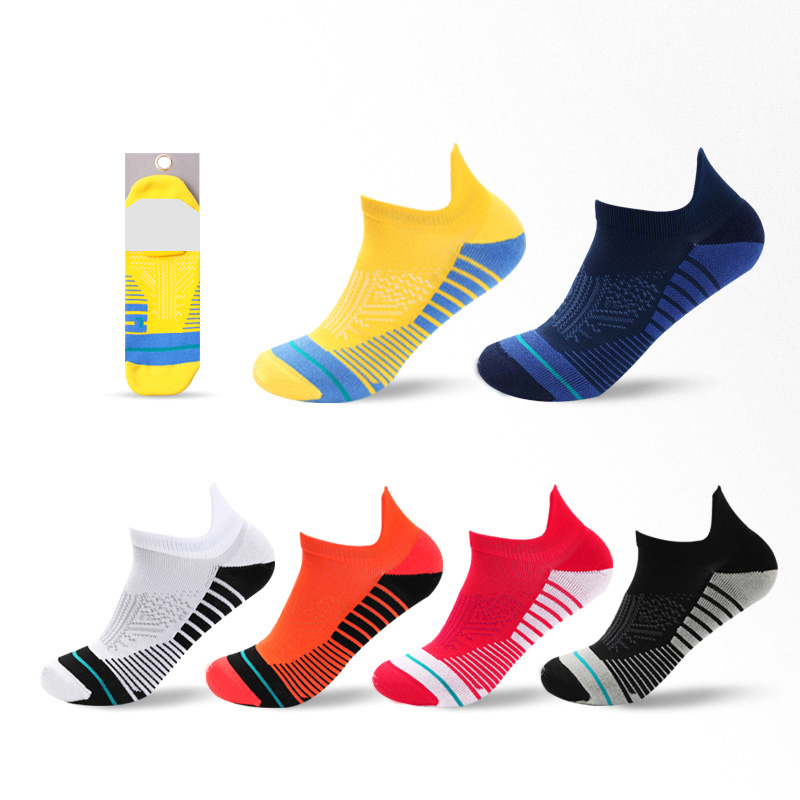
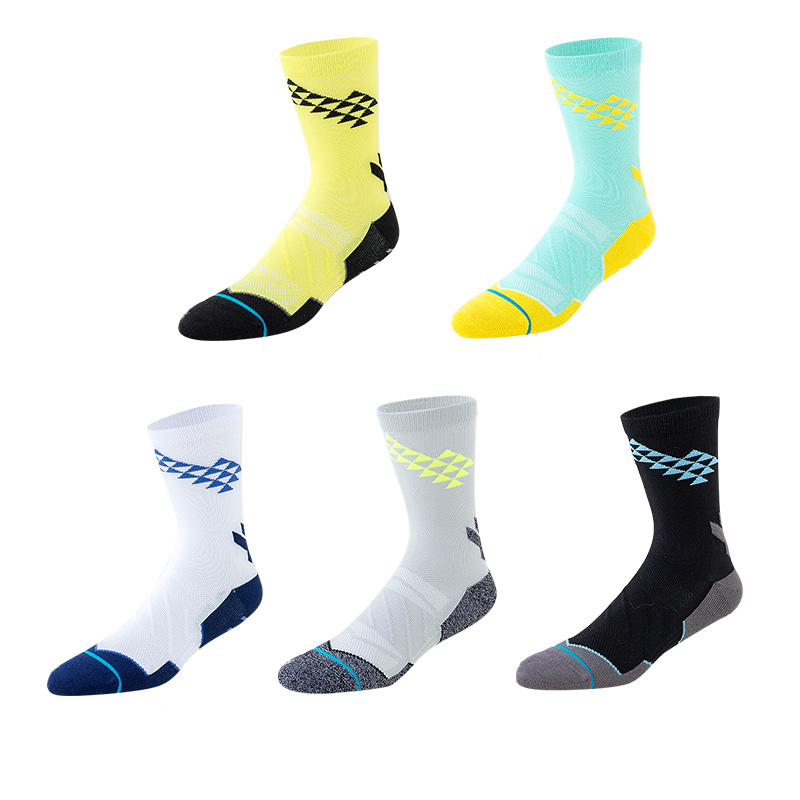
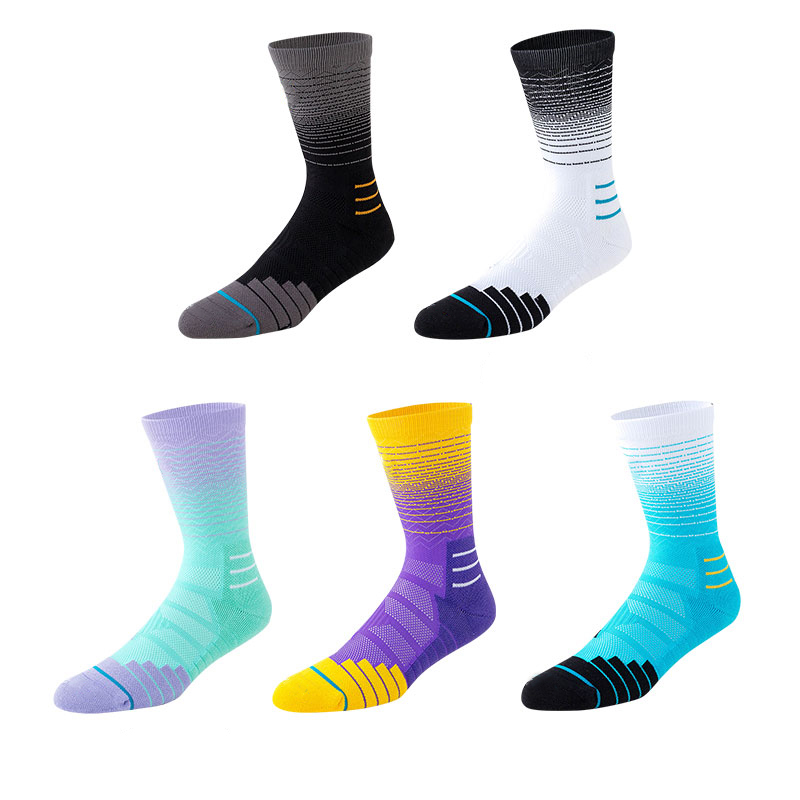
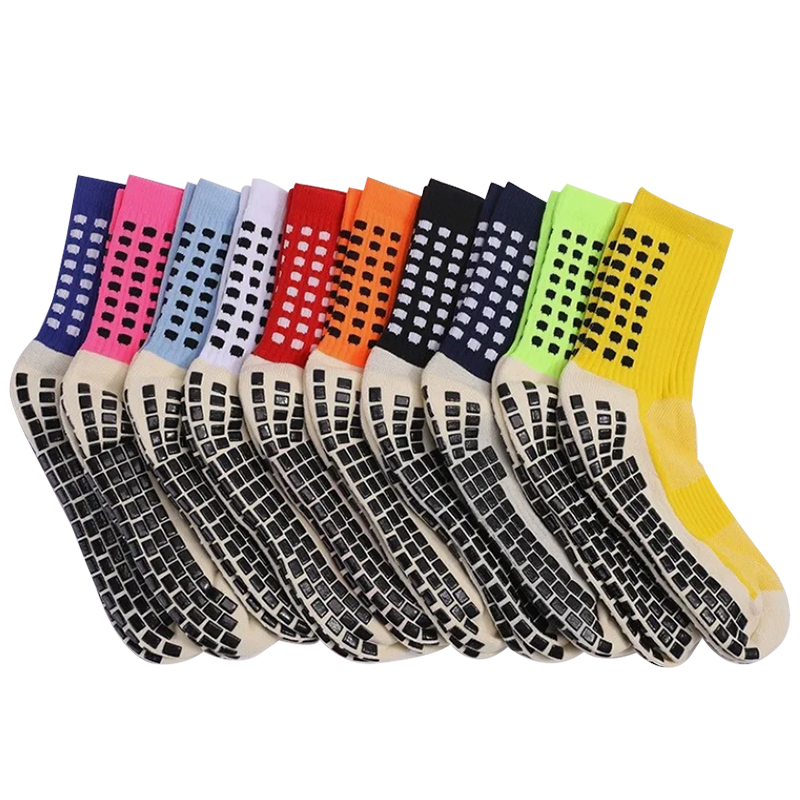
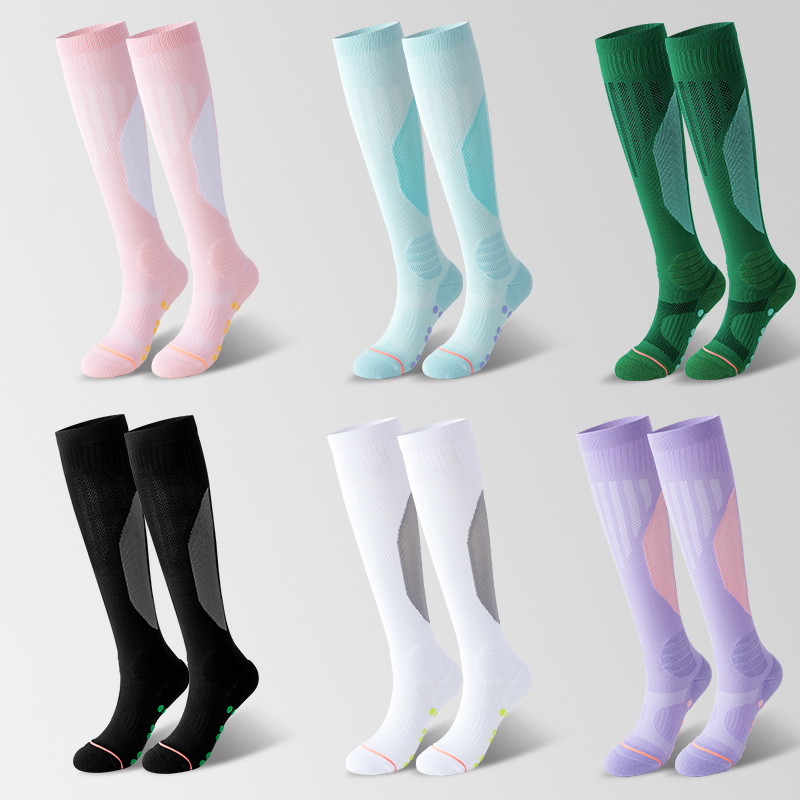
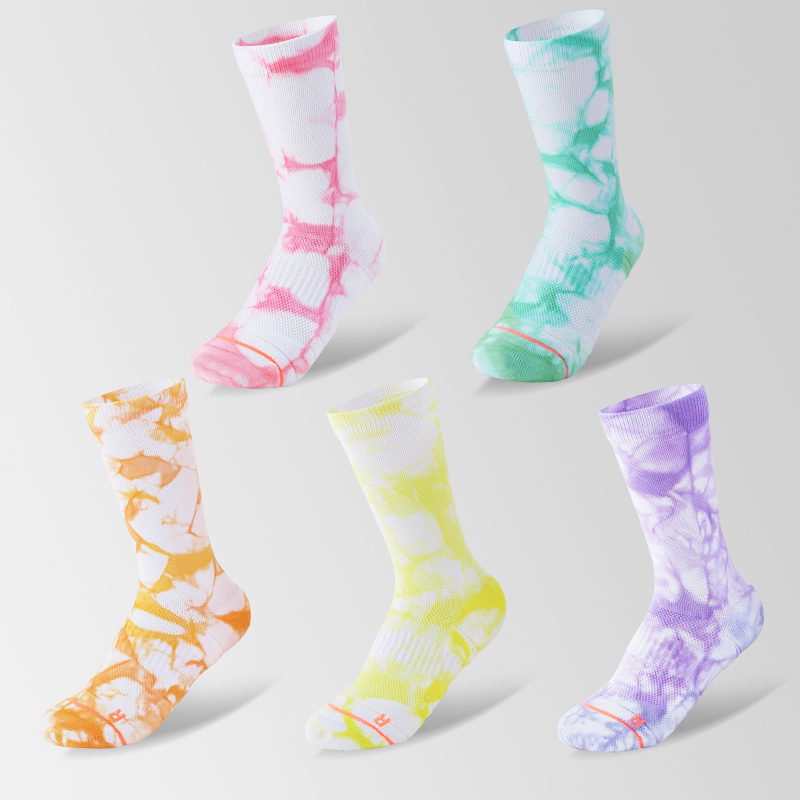
In the Women Sports industry, the functional integrity of Yoga Socks and Pilates Socks is paramount for athlete safety and peak performance. While maintaining high-quality Grip Socks, many users inadvertently destroy the technical features of their gear by using Fabric Softener. From the perspective of material science and friction physics, these chemical additives are the primary antagonist to anti-slip coatings.
Chemical Residue and the Mechanism of Fabric Softener
The core components of a Fabric Softener are typically cationic surfactants. These chemicals work by depositing a thin, waxy lubricating film over the fabric fibers to neutralize static and create a soft hand-feel. For Yoga Socks that rely on Traction, this chemical film is catastrophic. It coats the Silicone Grips or PVC Dots, altering the molecular surface structure. What was engineered to be a high-friction surface becomes a lubricated plane, leading to a complete failure of the Non-slip functionality.
Physical Degradation of Silicone Grips and Traction
Reduction in the Coefficient of Friction Professional Grip Socks feature specialized Silicone traction patterns. This material is chosen for its high coefficient of friction against surfaces like Yoga Mats. When the oils from Fabric Softener bond to the silicone, they create a microscopic barrier. Even if the change is invisible to the eye, during weight-bearing poses such as Down Dog, this reduction in friction increases the risk of Sports Injuries. Pore Clogging and Fiber Elasticity High-performance athletic textiles are designed with Moisture Wicking capabilities. The waxy buildup from softeners clogs the microscopic gaps between fibers. This not only destroys the Breathability of the sock but also causes Elastane fibers to lose their "snap-back" memory. Over time, the socks become saggy, failing to provide the necessary Arch Support and foot compression.
Impact on Sweat Management and Hydrophobicity
During Hot Yoga or high-intensity training, Sweat Management is critical. Most Premium Yoga Socks utilize combed cotton blended with Coolmax or other technical synthetics to ensure rapid evaporation. Fabric Softener is inherently hydrophobic (water-repellent). Once it coats the fibers, sweat can no longer be absorbed into the fabric for evaporation; instead, it remains trapped against the skin. This creates an "internal slip" where the foot slides inside the sock, compromising the Foot-to-mat stability regardless of the external grip quality.
Professional Maintenance Standards for Athletic Footwear
To preserve the Durability and safety features of Anti-slip Socks, the following protocols are recommended: Avoid Chemical Additives Utilize only pH-neutral detergents. Ensure that no Fabric Softener or heavy bleaching agents are included in the wash cycle. Reverse Cold Washing Turn the socks inside out so the Grip elements are protected during the agitation cycle. Use Cold Water to prevent the thermal breakdown of the adhesive bond between the silicone and the fabric. Air Drying Protocols Avoid high-heat mechanical drying. Excessive heat causes Silicone to become brittle or undergo thermal degradation, which leads to peeling and a permanent loss of Friction.
Functional Performance vs. Tactile Softness
For serious practitioners of Pilates, Barre, or Yoga, the value of the equipment lies in Safety and Performance. Sacrificing the Non-slip interface for a softer tactile feel is a compromise that affects the kinetic chain. Maintaining clean, residue-free Silicone Grips is the only way to ensure precision and balance during every session.

 English
 Español