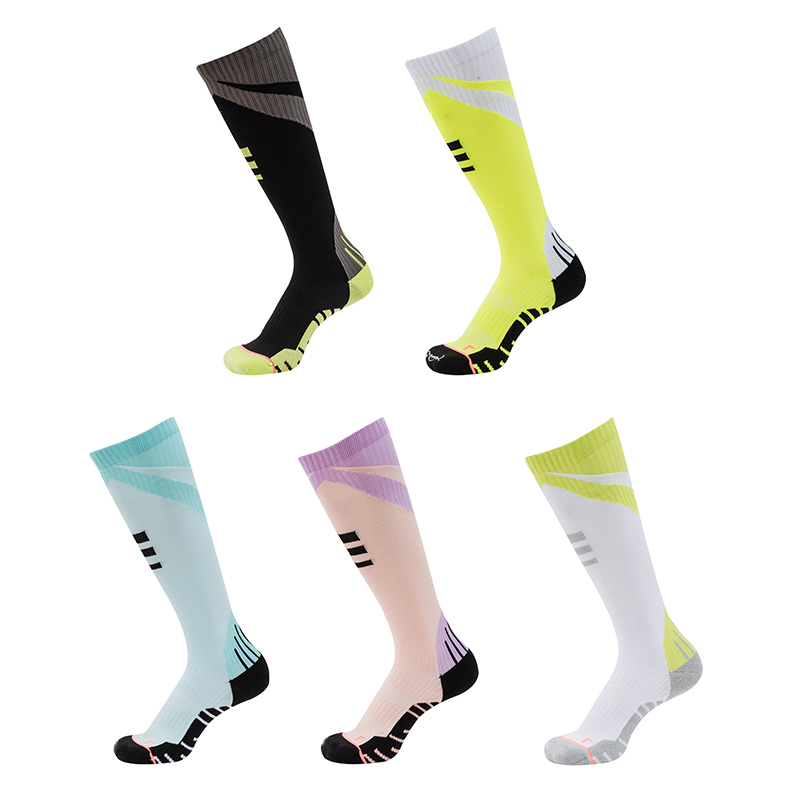
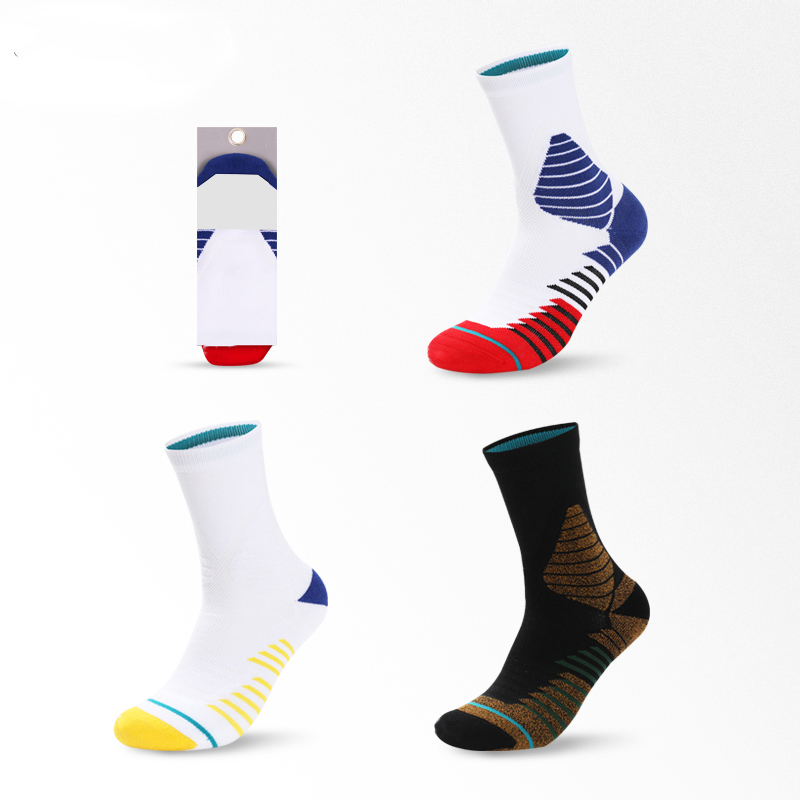
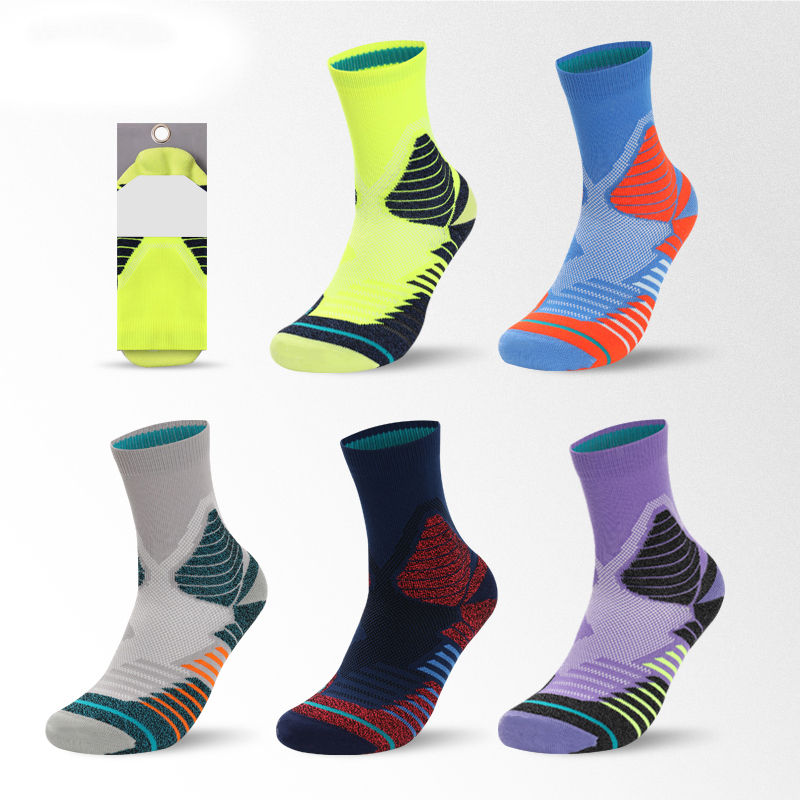
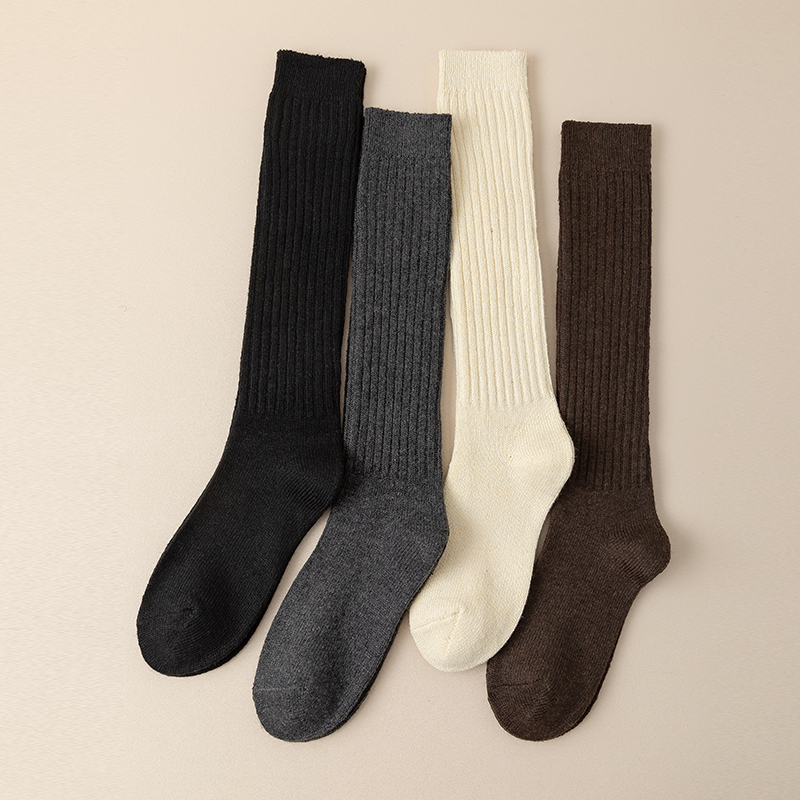
Five-Toe Socks and Toeless Socks represent the pinnacle of technical footwear in the modern Women Sports industry. For practitioners of Yoga, Pilates, and Barre, choosing between these two designs is not merely a matter of Athleisure style but a decision that impacts Stability, Proprioception, and Foot Health.
Biomechanical Advantages of Five-Toe Socks
The primary engineering goal of Five-Toe Socks is to facilitate Toe Splay. Standard athletic socks often compress the metatarsals, limiting the natural expansion of the foot during weight-bearing exercises. By providing individual compartments for each digit, these socks allow the foot to function as nature intended. Enhanced Balance and Grip In Balance Postures, the ability to spread the toes increases the surface area of the foundation. This design activates the Intrinsic Foot Muscles, providing a stronger Grip on the mat. The fabric between the toes also prevents skin-on-skin friction, which is the leading cause of Blisters during long Yoga sessions. Moisture Management and Hygiene From a professional Hygiene perspective, Five-Toe Socks offer superior Moisture Wicking. Sweat often accumulates between the toes, creating a breeding ground for bacteria. The individual toe sleeves absorb moisture immediately, keeping the interdigital spaces dry and reducing the risk of fungal infections in shared studio environments.
The Sensory Precision of Toeless Socks
Toeless Socks, also known as open-toe or half-toe designs, prioritize the direct connection between the skin and the Yoga Mat or Pilates Reformer. This design caters to elite practitioners who require maximum Tactile Feedback. Direct Tactile Feedback The human foot is highly sensitive to pressure and texture. By leaving the toes exposed, Toeless Socks allow the nerve endings in the toes to communicate directly with the brain regarding Weight Distribution. This is critical in advanced Pilates maneuvers where a millimeter of shift in pressure can alter the alignment of the entire kinetic chain. Superior Thermoregulation In Hot Yoga or high-intensity Barre classes, heat dissipation is vital. The open-toe structure provides maximum ventilation, preventing the foot from overheating. This makes them a preferred choice for athletes who prioritize Breathability and a lightweight feel over total foot coverage.
Comparative Performance Metrics
| Feature |
Five-Toe Socks |
Toeless Socks |
| Stability |
High (via mechanical toe separation) |
Excellent (via direct skin-to-mat contact) |
| Protection |
Full coverage against studio bacteria |
Partial coverage; toes remain exposed |
| Warming Effect |
High; ideal for cold weather or slow Yin Yoga |
Low; optimized for cooling and airflow |
| Ease of Use |
Requires alignment of each toe |
Quick slide-on application |
Selection Criteria Based on Practice Style
Choosing the correct Yoga Socks depends on the specific demands of the Workout. Practitioners focusing on Foot Alignment or those with Bunions may find that the structural support of Five-Toe Socks helps maintain a healthier foot shape during exercise. The compression zones often integrated into these socks provide Arch Support, which is essential for those with Plantar Fasciitis. Conversely, for those utilizing high-end Pilates Equipment, Toeless Socks offer a hybrid experience. They provide the Non-Slip safety of Silicone Grips on the sole while maintaining the raw Traction that only bare skin can provide. This is particularly advantageous during Reformer work where the toes must wrap around bars or straps.
Material Composition and Durability
Regardless of the silhouette, the professional standard for these socks involves a blend of Combed Cotton for comfort, Spandex for shape retention, and Nylon for durability. The quality of the Anti-Slip coating is the final differentiator. High-grade Silicone Grips are heat-bonded to the fabric to ensure they do not peel off after repeated Machine Washing, maintaining the Friction coefficient necessary for safe practice.

 English
 Español