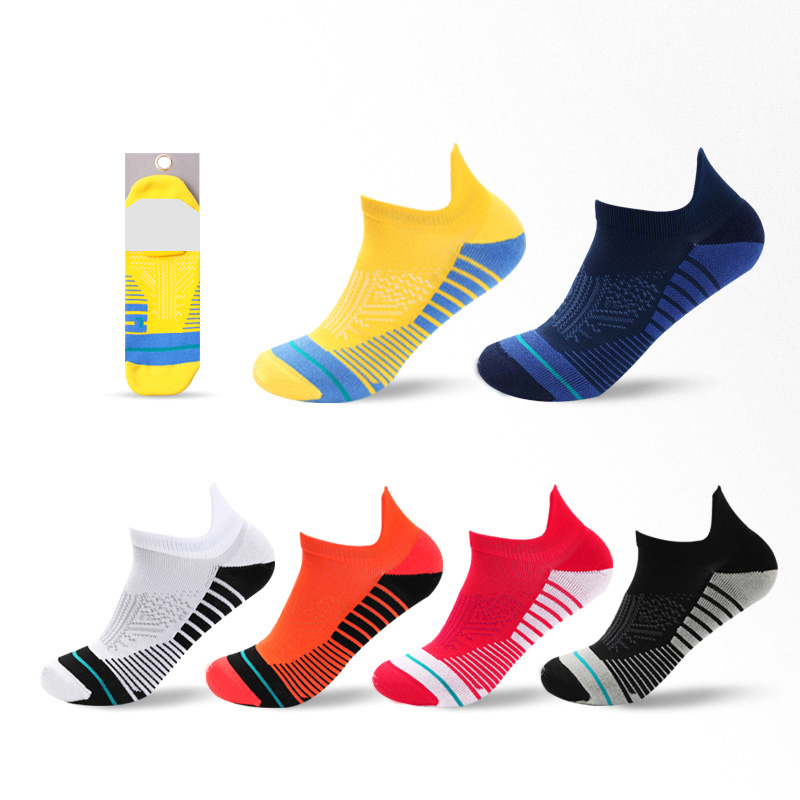
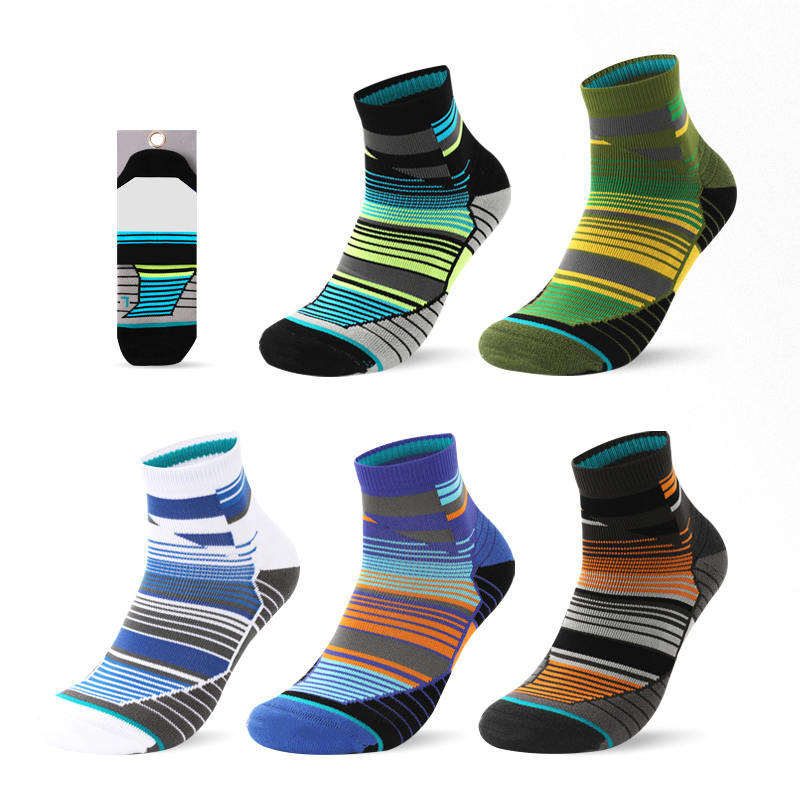
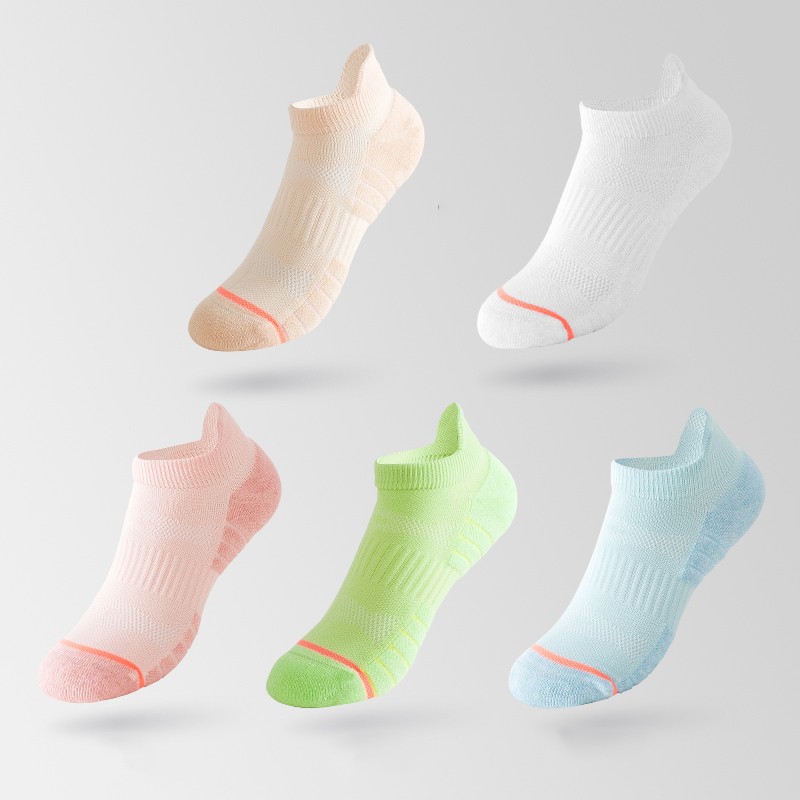
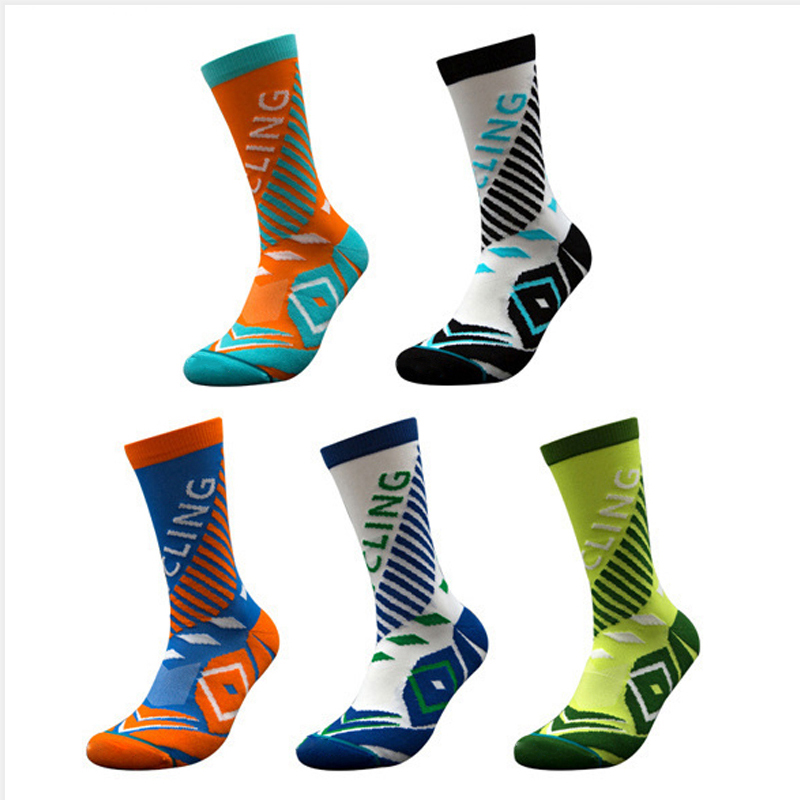
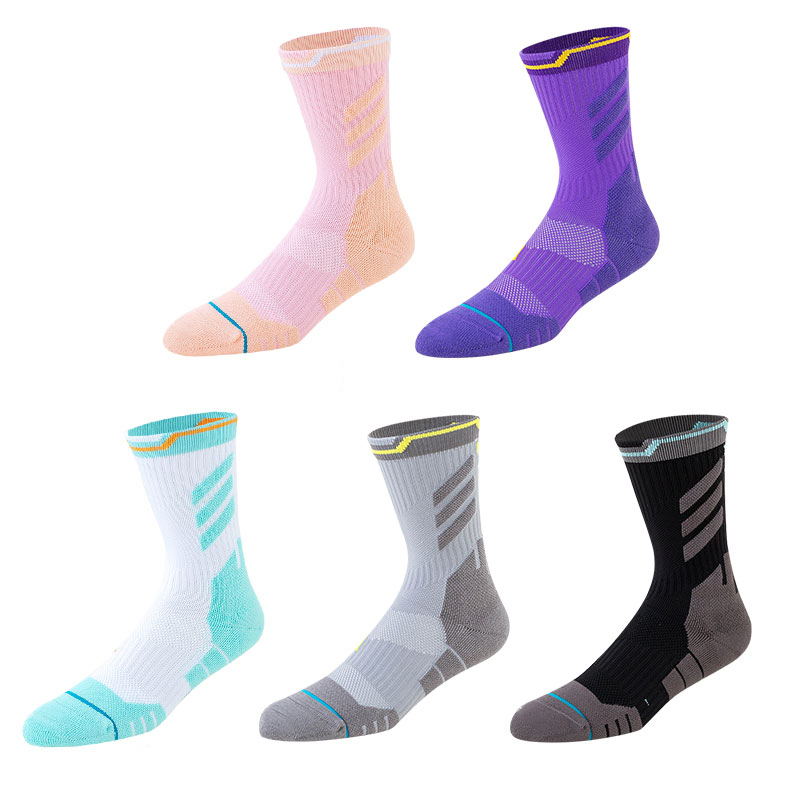
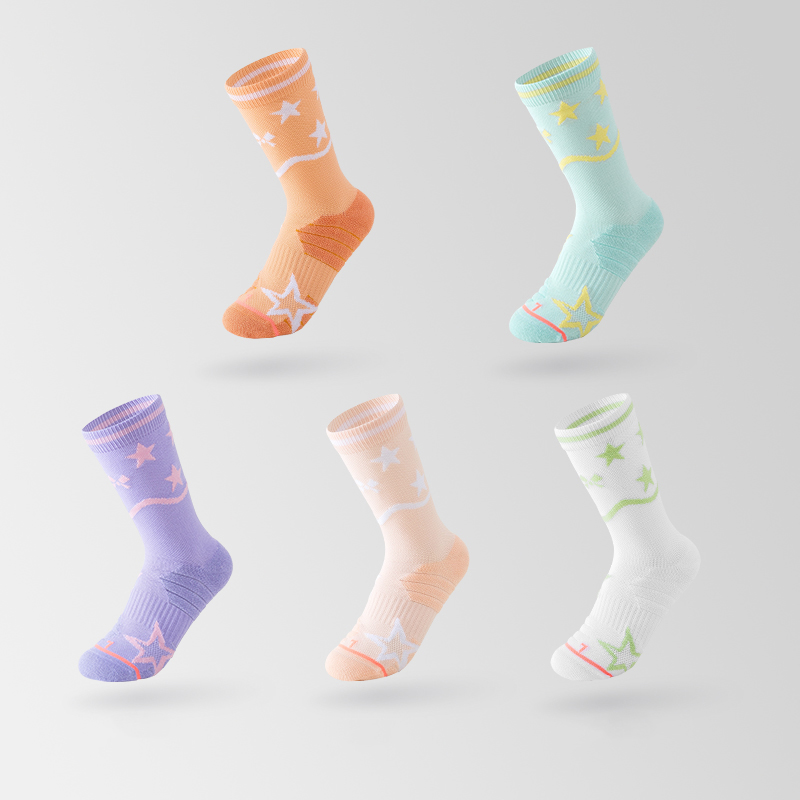
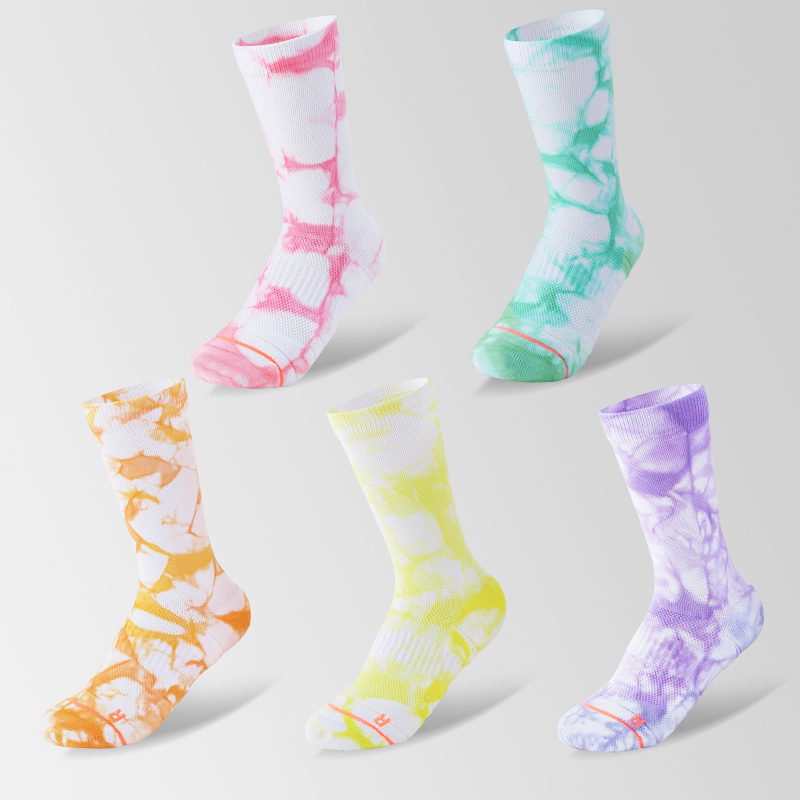
In professional cycling, the energy transmission between the foot and the pedal is the core of improving efficiency. Many riders often overlook the importance of cycling socks. In fact, understanding what is special about cycling socks reveals how this piece of equipment plays a crucial role in maintaining the foot environment, reducing energy loss, and improving comfort during long-distance rides. This guide provides a detailed analysis of how to select the right cycling socks for men based on material science, structural design, and usage scenarios.
Core Technical Features of Performance Footwear
Unlike everyday sports socks or hiking socks, the core design logic of professional footwear focuses on a combination of minimalism and high performance. Since specialized footwear is built to be very tight and rigid to ensure efficient power transfer during pedaling, the thickness and fit of your cycle socks mens are critical.
- Thinness and Fit: High-quality options adopt an ultra-thin design that perfectly fills the micro-gaps between the foot and the interior of the shoe. This prevents the foot from sliding during pedaling, thereby reducing friction and the generation of hot spots. Advanced knitting techniques create a second-skin feel that maintains a direct interface with the sole.
- Fabric Composition: High-quality moisture wicking cycling socks generally use advanced synthetic fibers like nylon, polyester, and spandex blends, or premium merino wool. These materials have strong moisture-wicking and quick-drying capabilities, which quickly draw sweat away from the skin surface to keep the feet dry, which is key to preventing blisters and maintaining optimal temperature.
- Anatomical Cut: Through compression designs targeted at the arch and seamless toe construction, the feeling of pressure caused by traditional seams can be completely eliminated, ensuring no bunching occurs inside narrow shoes.
Engineered for Precision: The Manufacturing Edge
Unlike standard mass-produced items, our cycling socks are crafted in-house through a precision-knit process that prioritizes zonal density. By controlling the tension of every individual stitch, we ensure that the arch support remains consistent even after hundreds of kilometers. This specialized manufacturing approach guarantees that your moisture wicking cycling socks maintain their structural integrity without losing elasticity.
Performance Validation: Why Technical Specs Matter
We subject our cycling socks for men to rigorous environmental testing. Our factory lab measures thermal regulation and friction coefficients to ensure they outperform generic alternatives in extreme conditions. Below is a summary of our proprietary material testing compared to standard industry benchmarks.
| Metric |
Our Engineered Socks |
Standard Market Socks |
| Moisture Evaporation Rate |
45g/hour |
28g/hour |
| Elastic Recovery Force |
92% after 50 washes |
65% after 50 washes |
| Friction Coefficient |
Low (Anti-Blister) |
High (Abrasion Risk) |
Common Questions and Usage Insights
Are compression socks good for cycling?
Compression socks are mainly used for two dimensions: first, to promote venous blood return in the lower limbs through gradient pressure, helping to accelerate recovery and reduce muscle fatigue after long-distance rides; second, to provide extra muscle support to reduce energy loss caused by muscle vibration. Their recovery effects are particularly significant after long-term endurance training and high-intensity interval sessions.
Are cycling socks good for running?
Although the moisture-wicking and breathable performance is excellent, they are not completely suitable for running. Running requires heavy cushioning for the heel and forefoot to absorb impact, while footwear designed for riding reduces thickness in these areas to ensure direct pedal feedback. Using them when running may increase the feeling of impact on the feet, which affects long-term comfort.
How to Choose the Right Socks for Cycling
When learning how to choose the right socks for cycling, it is recommended to prioritize the following elements to ensure optimal performance:
- Size and Pressure: Be sure to choose products with accurate sizing. Options that are too loose will wrinkle and create friction points, while those that are too tight will hinder blood circulation and cause numbness in the toes during extended efforts.
- Height Selection: Adjust according to the riding environment. Road disciplines usually opt for medium-high cuts to protect the ankle from friction and provide certain aerodynamic advantages, while off-road disciplines suggest choosing longer versions to block splashing mud, debris, and scratches from vegetation.
- Moisture Management: Always prioritize items labeled with advanced quick-dry capabilities. In long-distance training, the dryness of the feet directly determines the integrity of the skin and the persistence of subsequent effort.
Did you know?
Properly fitted cycle socks mens styles can reduce the occurrence of "hot spots" by up to 60%. By utilizing variable-density knitting, we eliminate the need for excessive padding that often causes internal shoe crowding, allowing your foot to sit in the most ergonomic position possible.

 English
 Español