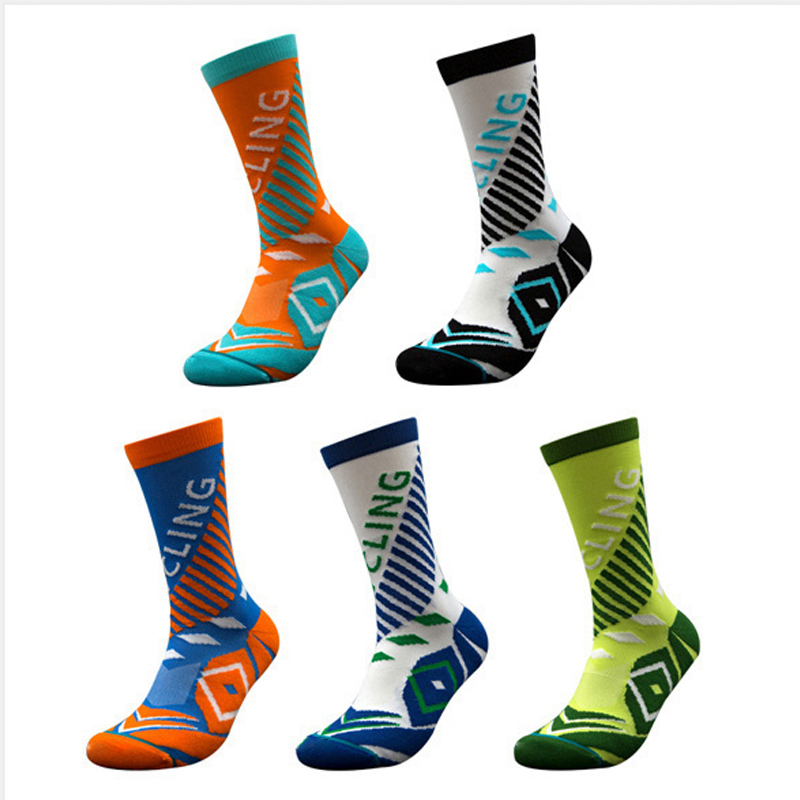
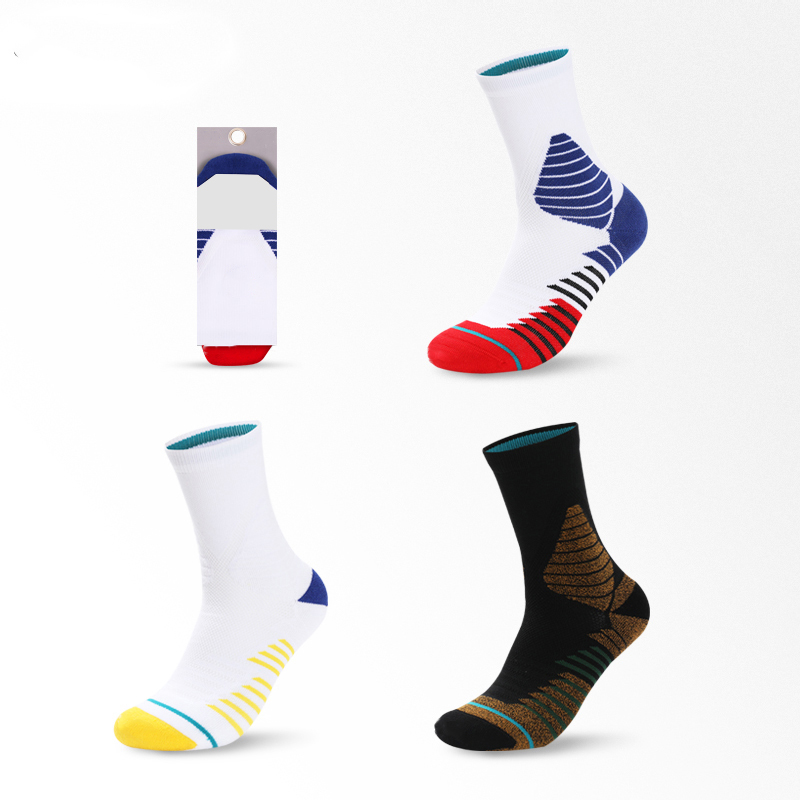
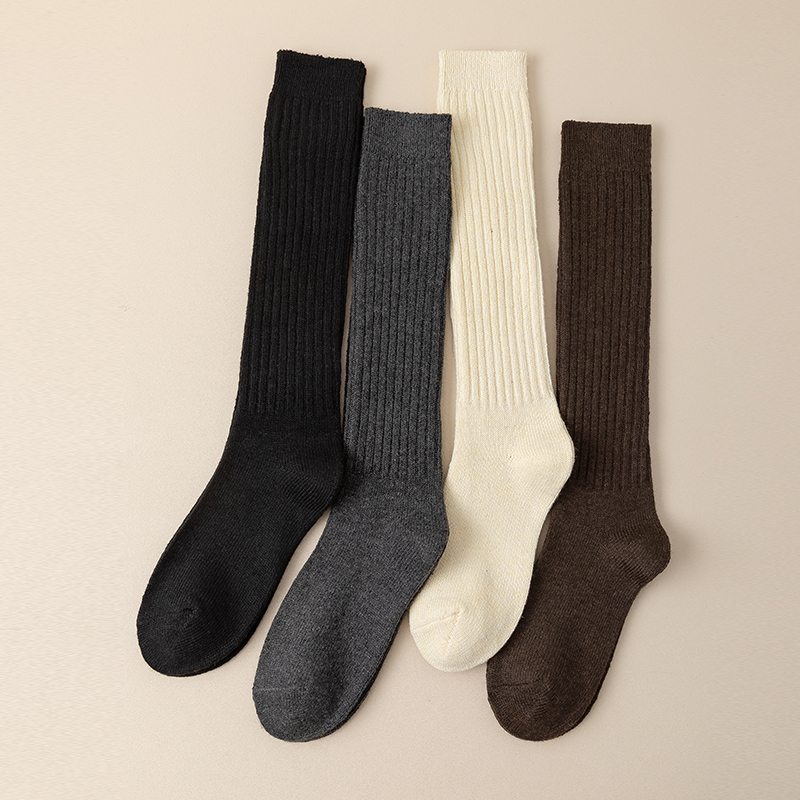
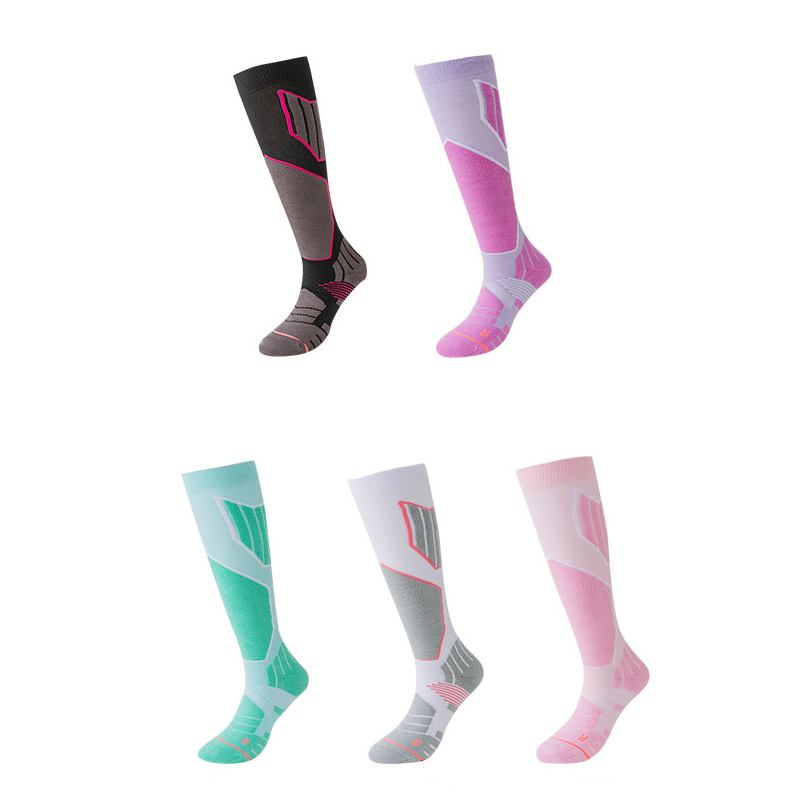
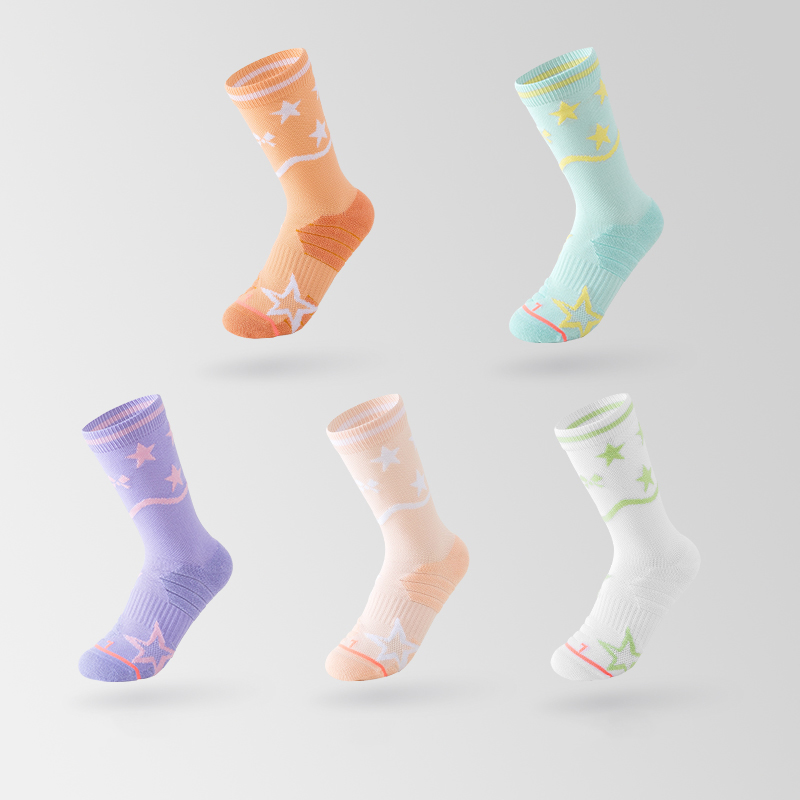
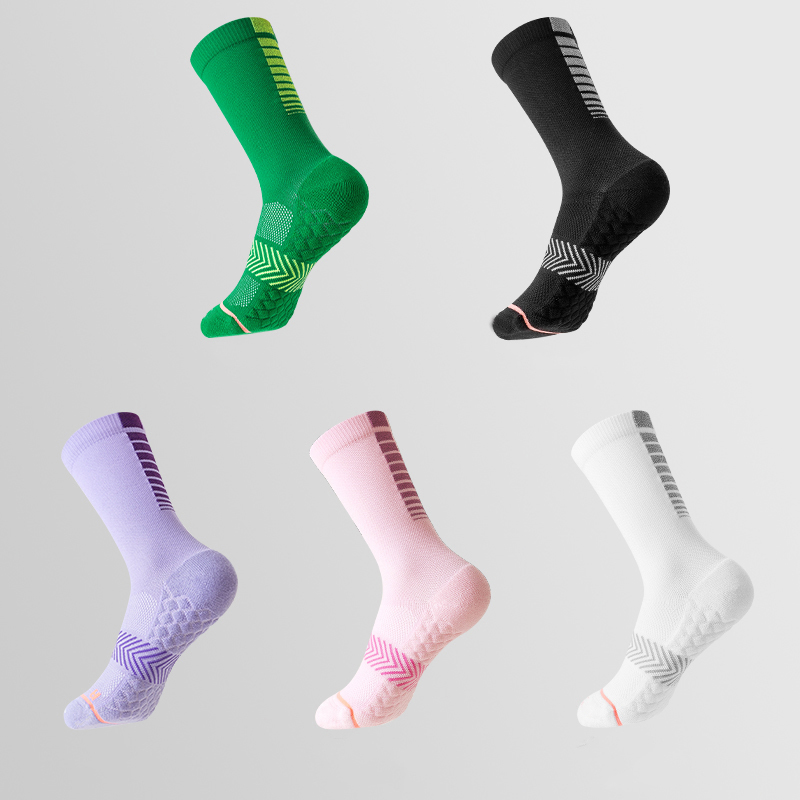
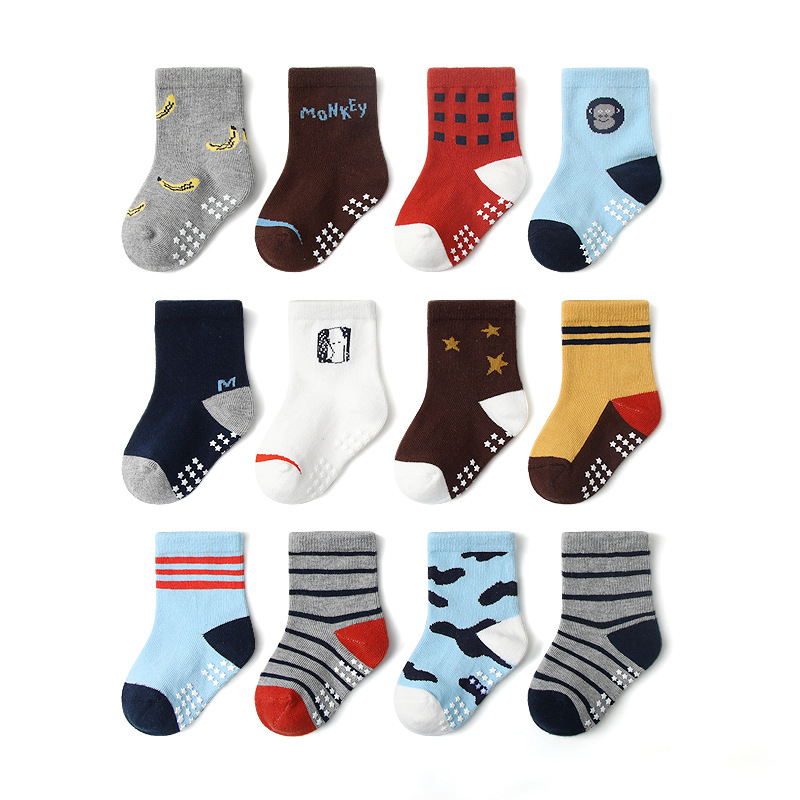
Flat-knitted socks are not the standard seamless tubes that fill most shelves. They start as flat fabric on a knitting machine, and a separate sewing step gives them their final shape. That extra step creates a different structure: one with more control over local elasticity, better paneling options, and a visible seam that can be placed outside pressure zones. The result is a sock that behaves differently on the foot, especially when the design needs reinforced heels, softer toes, or targeted compression. For anyone planning a sock line that has to meet specific fit or performance requirements, flat knitting deserves more attention than it usually gets.
Buyers and product developers are now asking more from socks: better moisture control, closer fit, higher durability, and clearer production standards. Flat-knitted socks answer several of these demands, but they also raise questions about seaming, material behavior, and finishing. This article explains the process, the advantages, and the points that cause the most confusion when ordering from a manufacturer.
What Are Flat-Knitted Socks?
Flat knitting is one of the oldest structured ways to build a garment. A flat knitting machine has two parallel needle beds, and the yarn is fed back and forth to create a piece of fabric with neat selvedged edges. The fabric is not a tube; it is a flat panel that is later folded and sewn into a sock shape. Because the flat panel is formed row by row, the designer can change stitches within the same fabric section, creating different textures, densities, and elasticity without adding separate pieces.
Circular knitting, by contrast, works with a continuous loop of needles arranged in a cylinder. The yarn moves around the circumference, producing a seamless tube. Most everyday socks come from circular machines because they are fast, inexpensive, and well suited to simple repetitive styles. Flat knitting is slower and uses more labor because of the seaming step, but it gives a designer the ability to break the sock into sections. The leg, heel, and toe can be knitted with different stitch structures in the same panel, then joined in a way that reduces bunching and improves comfort.
The seaming step is the most visible difference. In a flat-knitted sock, the fabric is folded along the instep and the open edges are joined. The seam can be placed along the back of the leg, under the toes, or along the side, depending on the intended use. For standard wearing, a well-flattened seam does not cause irritation if the thread is soft and the stitch tension is balanced. For sports and medical socks, the seam position is even more critical because unnecessary pressure over the toes can cause blisters or restrict blood flow.
Flat-knitted socks also give manufacturers more freedom in yarn placement. A reinforced heel can use a tighter knit on the same machine that forms a softer upper leg. A breathable instep can be combined with a denser toe area. This level of structural control is difficult to achieve with a circular machine without adding separate panels or complicated yarn changes. That is why flat knitting is often the first choice for specialty products such as flight socks, compression socks, wool-blend winter socks, and orthopedic styles.
How Flat Knitting Works in Production
In a production setting, flat-knitted socks are usually made on a V-bed flat knitting machine. The two beds are positioned at an angle, and yarn carriers move across the width of the machine. The fabric is knitted in one direction, then the next row is formed as the carrier returns. For socks, the panel is often shaped by increasing or decreasing stitches, so the resulting piece already has a curved outline near the heel and toe. After knitting, the panel is pressed to stabilize the stitches, then cut and sewn into a tube-like form.
A common misconception is that flat-knitted socks always have a bulky seam. In modern production, the seam is generally made with a flat seamer or a linking machine that creates an almost invisible join. The goal is to keep the seam thin and flexible, because the sock will be worn against the skin. A high-quality flat seam can be as smooth as the rest of the fabric, while a poorly made seam can produce a ridge that leads to rubbing and premature wear.
Comparison of flat-knitted and circular-knitted sock construction.
| Feature |
Flat-Knitted Socks |
Circular-Knitted Socks |
| Production method |
Open fabric on a flat needle bed, then seamed |
Tubular fabric knitted in the round |
| Seam |
One flat seam, often at the toe or back |
Usually seam-free in the leg and foot |
| Fit precision |
High control over local stitch density |
Uniform structure with limited localized shaping |
| Pattern flexibility |
Complex patterns, stripes, and structures possible |
Variations possible but limited by tube construction |
| Production speed |
Lower due to seaming |
Higher due to continuous tubular knitting |
| Typical uses |
Specialty, compression, orthopedic, fashion |
Everyday casual, sports, basic socks |
If you are evaluating flat-knitted socks for a new collection, the category below covers the main options.
 Flat-Knitted Sock Categories for Tailored FitExplore a manufacturer's full range of flat-knitted sock options, organized by style and craft to help you select the right structure and stitch density.View Product →
Key Characteristics That Affect Fit and Function
Flat-knitted socks stand out because their structure can be tuned to match the anatomy of the foot. Rather than relying only on yarn stretch, the knitter can create zones that tighten or relax independently. The most important characteristics are seam placement, stitch density, and material blend.
Seam Placement and Fit
Seam placement changes how the sock distributes pressure. A toe seam that sits exactly above the tips of the toes can cause irritation, especially in shoes with a narrow toe box. In flat-knitted socks, the seam can be shifted slightly upward or to the side, creating a more comfortable fit for people with overlapping toes or high arches. For dress socks, a back seam is common because it stays hidden under trousers and does not interfere with toe movement. For sports socks, the seam is often minimized at the toe and the side is left uninterrupted to reduce blister risk.
Breathability and Moisture Management
The stitch structure has a direct impact on breathability. A plain knit with low stitch density allows air to move through the fabric, keeping the foot cooler. A higher density creates more yarn contact, which helps wick moisture away from the skin but reduces airflow. Flat knitting allows the designer to use an open mesh construction in the instep and a denser terry loop in the heel and sole. This combination is difficult to produce on a circular machine without changing the yarn or using extra feeders. The result is a sock that can stay dry during physical activity while still providing cushioning where the foot meets the shoe.
Durability and Structure
In a flat-knitted sock, the fabric is built side by side rather than continuously around a tube. That means the orientation of the stitches can be aligned with the natural movement of the foot. When the foot flexes, the fabric bends along the rows of stitches instead of pulling against them. This can reduce yarn breakage and pilling in high-friction areas. The heel and toe can also be knitted with a tighter stitch gauge, making those zones more resistant to abrasion. A well-made flat-knitted sock often outlasts a circular-knitted sock of the same yarn because the reinforcing structures are placed exactly where they are needed.
Flat vs. circular structure: performance comparison
Fit precision
Flat 90% vs Circular 65%
Localized control
Flat 85% vs Circular 50%
Breathability design
Flat 80% vs Circular 60%
Production efficiency
Flat 70% vs Circular 90%
Why Airline and Specialty Socks Often Use Flat Knitting
One of the clearest examples of flat-knitted socks in a professional environment is the flight sock. Airlines order this product in large volume for passengers on long-haul flights. The sock is designed to be worn indoors, provides light compression, and must be comfortable enough for people who are sitting for many hours. Flat knitting is suitable because the sock can be made with a softer, lighter yarn while the fabric structure keeps its shape. The toe seam is usually placed high enough that it does not press against the toes inside a slip-on shoe or while walking through the cabin.
Specialty socks for people with diabetes or sensitive feet also rely on flat knitting. These socks need a low-stretch cuff, a wide toe area, and no tight seam across the toes. Flat-knitted panels make it possible to create a wider toe box without adding a bulky gusset. The smoother internal seam reduces the risk of skin irritation, which is a serious concern for diabetic wearers. In this category, the ability to control stitch density around the ankle and foot is not just a comfort feature; it is a medical consideration.
For brands that want to enter this segment, it is important to work with a manufacturer that understands the difference between a promotional flight sock and a medically oriented product. The yarn blend, stitching pattern, and wash finishing all affect how the sock performs when worn for extended periods.
 Disposable Flight Socks for Long-Haul ComfortSee how this aviation-focused sock combines graduated compression, moisture-wicking yarns, and seamless toes to support circulation during extended flights.View Product →
Common Types of Flat-Knitted Socks
Flat knitting is not limited to one look or purpose. It works well for products that need extra shaping, softer edges, or a more tailored fit. The most common categories are athletic, thermal, kids, and fashion styles.
Athletic and Outdoor
Running, cycling, and hiking socks benefit from flat knitting because the heel can be shaped separately from the Achilles area. A reinforced heel pocket reduces slipping inside the shoe, and a flat toe seam prevents hot spots during long distances.
Thermal and Wool
Wool-blend flat-knitted socks are popular for cold weather. The fabric can combine a dense inner terry loop with a smoother outer surface, trapping air for warmth while pushing moisture away from the skin. The flat structure allows the sock to keep its shape after repeated washing.
Baby and Kids
Babies have sensitive skin and narrow heels. Flat-knitted baby socks can be produced with a very soft seam on the outside or with a minimal internal seam, reducing pressure marks. The stitch density can be adjusted so the sock stays on without cutting into the ankle.
Fashion and Lifestyle
Decorative socks with jacquard patterns, color blocks, or texture details are easier to control in flat knitting. The pattern does not wrap around the whole leg; it can be placed precisely where the designer wants it. This is useful for fashion lines that want a distinctive look without wasting yarn.
Each of these categories places different demands on the yarn and the finishing line. An athletic sock may need stronger nylon reinforcement in the sole, while a baby sock needs a looser stitch density around the ankle. A flat-knitted platform gives the factory the ability to adjust these variables without changing the whole manufacturing process.
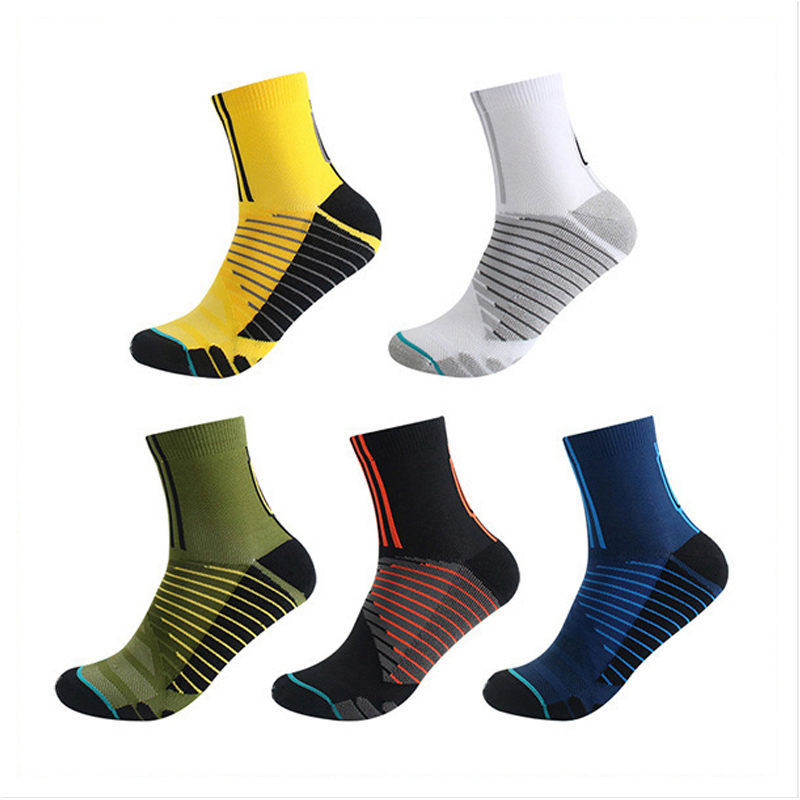 Outdoor Running Compression Terry SocksCheck this performance-oriented running sock with terry cushioning, mesh instep, and sole compression, adjustable in material and stitch for active use.View Product →
How to Choose Flat-Knitted Socks for Your Product Line
Choosing the right flat-knitted sock is not just about picking a color or a pattern. The real decisions are yarn selection, stitch density, seam type, and finishing requirements. Each of these affects the performance, the price, and the customer's perception of quality.
Yarn Selection
The yarn determines how the sock feels, how fast it dries, and how long it lasts. Cotton is soft and absorbent, but pure cotton flat-knitted socks can lose their shape after washing. Wool is warm and breathable, but some wool blends cause itching unless the micron size is low. Nylon and polyester add strength and elasticity, but using too much synthetic yarn can make the sock feel hot and slippery. A common flange for flat-knitted socks is a blend of 70–80% cotton, 15–25% nylon, and 5–10% elastane for the leg and instep, with a higher nylon content in the heel and toe for reinforcement.
Common yarn types for flat-knitted socks and their main properties.
| Yarn |
Key Properties |
Best Use |
Watchout |
| Cotton |
Soft, breathable, absorbent |
Everyday casual and baby socks |
Needs synthetic reinforcement for shape retention |
| Merino Wool |
Warm, moisture-wicking, odor resistant |
Thermal and outdoor socks |
Can shrink if washed in hot water |
| Nylon |
Strong, elastic recovery, abrasion resistant |
Heels, toes, and high-stress zones |
Low moisture absorption if used alone |
| Polyester |
Fast drying, colorfast, low cost |
Sports and printed socks |
Can develop odor faster than wool |
| Elastane/Spandex |
High stretch, recovery, fit retention |
Cuff, leg, and arch support |
Degrades with chlorine and high heat |
Stitch Density and Gauge
Stitch density is measured by the number of needles per inch on the knitting machine. A lower gauge, for example 7–10 needles per inch, produces a thicker, more cushioned fabric. A higher gauge, such as 13–16 needles per inch, creates a smoother, denser fabric that feels thinner and more refined. For a flat-knitted sports sock, the heel and toe may be knitted at a tighter gauge than the leg, giving more durability where it is needed. For a dress sock, the gauge is typically finer so the sock fits under a leather shoe without creating bulk. Insist on seeing a specification sheet that lists stitch density for each part of the sock, not just the overall flat stitch count.
Seam Construction
There are several ways to join the sides of a flat-knitted sock. A linking seam uses a separate thread to join two knitted edges, creating a seam that lies flat. A decoratively stitched seam is visible on the outside and is often used for fashion styles. A reinforced seam is thicker and stronger, but it can be too rough for people with sensitive feet. The right seam depends on the final customer. For a medical or flight sock, the internal surface must feel smooth; for a fashion sock, the seam can be part of the visual design. When asking for samples, check the seam feel after the sock has been washed, because thread tension can change after finishing.
Sizing and Tolerance
Flat-knitted socks are more precise in sizing than circular-knitted ones because the panels are shaped. But the final size still depends on relaxation after washing. A sock that measures 28 cm before washing may shrink to 26 cm after the first wash if the yarn is not pre-shrunk. Ask the manufacturer for the dimensional tolerance, usually expressed as a percentage of length and width change after washing. For most adult socks, a tolerance of +/-3% in overall length is acceptable. If the sock has a reinforced heel, the heel depth should also be within a narrow range, otherwise the sock will slip around the foot.
For a deeper look at how the knitting structure changes the way a sock breathes, read our technical guide on flat-knitted breathability.
Quality Control and Testing for Flat-Knitted Socks
A flat-knitted sock can look perfect on the outside yet fail after a few washes if the internal seam thread breaks or the fabric relaxes too much. Quality control should check more than the visual appearance. The most important tests cover dimensional stability, seam strength, colorfastness, and abrasion resistance.
Dimensional Stability
This test measures how much the sock changes in length and width after repeated washing and drying. A flat-knitted sock has seams that can shrink differently from the knitted fabric, causing the sock to twist or pucker. The manufacturer should test the finished sock after industrial washing and tumble drying, because home washing conditions vary. For a standard cotton blend, a maximum shrinkage of 5% in length and 4% in width is a reasonable target. For wool socks, the shrinkage can be higher, so the washing instructions must be clearly marked.
Seam Strength
Seams are the weakest point of a flat-knitted sock. When the sock is stretched over the heel, the seam thread has to resist the same tension as the knitted fabric. A seam that opens during wear is a common customer complaint. Testing usually involves stretching the seamed area at a fixed rate until the seam breaks. Many buyers require a seam strength of at least 8–10 kg for an adult sock, though this depends on the yarn and the seam type. A soft and low-profile seam may be less strong than a thicker seam, so the trade-off must be planned early in the design stage.
Colorfastness and Abrasion
Flat-knitted socks often use different colors in different panels, especially for jacquard patterns. Colorfastness tests determine whether the dye will bleed onto the skin or into the washing water. The test levels used by most export factories are 3.5 or higher on a scale of 1–5 for both rubbing and washing. Abrasion resistance is also important, because the heel and sole of a flat-knitted sock have seams that can create small bumps. A standard abrasion test rubs the fabric in a circular motion for a certain number of cycles. The exact requirement depends on the sock’s intended height: a low-cut running sock may need more cycles on the heel, while a dress sock may need more on the toe area.
Minimum performance targets for quality flat-knitted socks
Shrinkage (max)
5% length / 4% width
Colorfastness
3.5 or above
Caring for Flat-Knitted Socks
Consumers often judge a sock by how it looks after five or ten washes. Flat-knitted socks require a few basic care steps to keep their shape and seam quality. The first rule is to turn the socks inside out before washing. This protects the seam and reduces friction on the outer yarn. Washing in cold water, below 30°C, is safer for cotton and wool blends. Hot water can relax the yarn fibers and cause the seam to shrink at a different rate, which leads to visible crinkling.
- Use a gentle cycle and a mild detergent without chlorine bleach.
- Do not use fabric softener on terry loop socks; it coats the loops and reduces absorbency.
- Hang flapped socks or lay them flat to dry. Avoid tumble drying at high heat.
- If a wool flat-knitted sock has stretched, washing in cold water and reshaping while damp can bring it back to its original size.
- Never iron directly over the seam; the heat can melt synthetic wrapper threads used in the seam.
Some flat-knitted socks, especially those with compression properties, should be dried away from direct sunlight. UV exposure accelerates the breakdown of elastane in the cuff and can make the sock lose its holding power. When the cuff becomes loose or the seam starts to feel rough, the sock has reached the end of its useful life.
Working with a Specialized Flat-Knitted Sock Factory
Finding the right production partner for flat-knitted socks is different from ordering standard circular-knit socks. Because the product has more sewing steps, the factory’s skill level has a bigger impact on quality. A specialized factory will have flat knitting machines set up with a range of gauges, plus linking machines and trained operators who understand how the seam should behave on different yarns. They should also be able to produce samples quickly and adjust small details such as heel depth, toe seam position, and cuff tension.
The production capacity is another factor. A factory that originally made flight socks understands how to control quality at high volume, because airline stockings are ordered in quantities of tens of thousands. The same discipline applies to a retail sock launch that needs consistent quality across different colorways. Look for a manufacturer that can show you a detailed specification sheet for each sample, including stitch density, seam type, yarn composition, and washing tolerance. That document is the foundation for a successful production run.
If you are at an early stage of product development, ask for a small run of samples in multiple yarn weights. Wear-test them in real conditions, not just on a flat surface. Walk, run, and wash them. The seam may feel fine at first but become irritating after a long day. This testing period is the best way to avoid unpleasant customer returns.
To discuss your flat-knitted sock project directly with our production team, contact our factory.
Frequently Asked Questions About Flat-Knitted Socks
Are flat-knitted socks more durable than circular-knitted socks?
Flat-knitted socks can be more durable in the areas where reinforcement is added, such as the heel, toe, or arch. The durability depends on the selected stitch density and yarn blend. If the entire sock is knitted in the same gauge as a basic circular-knitted sock, the durability may not be higher. The advantage is that the structure can be tuned, not that the knitting method itself makes every sock stronger.
Why do flat-knitted socks have a seam?
Because the sock is knitted as a flat piece of fabric, it needs to be joined along one side to form a tube shape. This seam can be placed at the back of the leg, along the side, or under the toes, depending on the design. The seam is an intentional part of the construction and allows for a more precise fit.
Can flat-knitted socks be made seamless?
A flat-knitted sock always has at least one seam because the fabric is not produced in a tubular form. However, the seam can be made very flat and nearly invisible through a linking process. For consumers who cannot tolerate any seam feeling, a circular-handling seamless sock may be more appropriate, but it offers less structural control in other areas.
What is the best yarn for flat-knitted socks?
The best yarn depends on the final use. For everyday socks, a cotton-nylon blend with elastane is a safe choice. For thermal socks, merino wool blended with nylon provides warmth and durability. For sports socks, most functional designs use a polyester or nylon blend with moisture-wicking properties. The yarn blend should be selected together with the stitch density to achieve the intended balance of softness and strength.
Can I customize the seam position on a flat-knitted sock?
Yes, the seam position can be shifted by changing how the panel is folded and where the opening is placed. A side seam is common for athletic socks because it reduces toe iritation. A back seam is typical for dress socks. Customizing the seam position may affect the pattern continuity, so it should be tested early in the sampling phase.
How should flat-knitted socks be washed?
Turn them inside out, wash in cold water below 30°C, and avoid high-temperature drying. Fabric softener is not recommended for terry or wool styles. If the sock has compression properties, do not expose it to direct sunlight for long periods. Following these steps will preserve the seam and the elastic recovery of the yarn.

 English
 Español