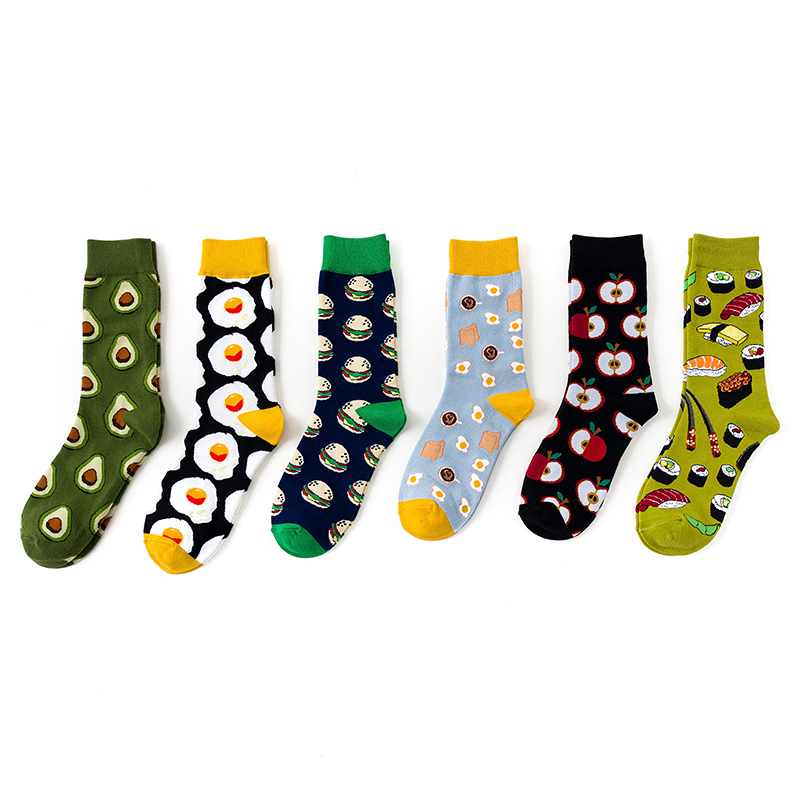
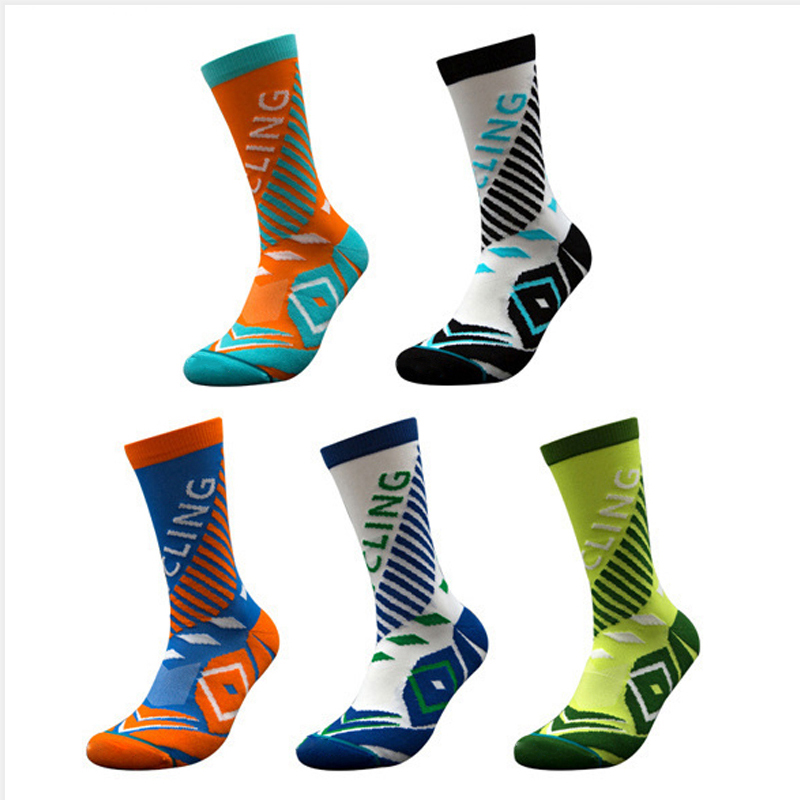
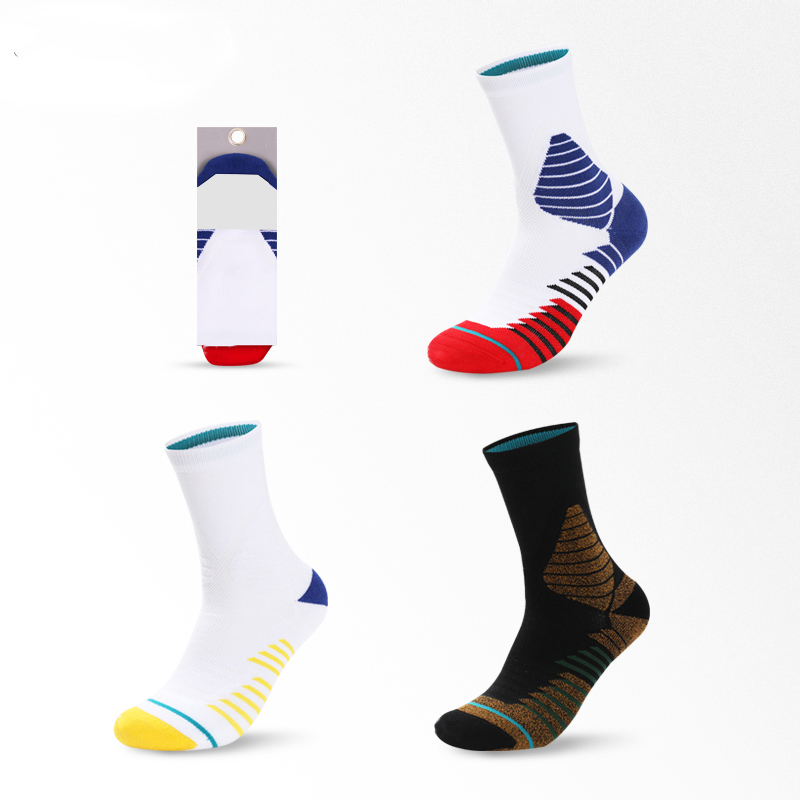
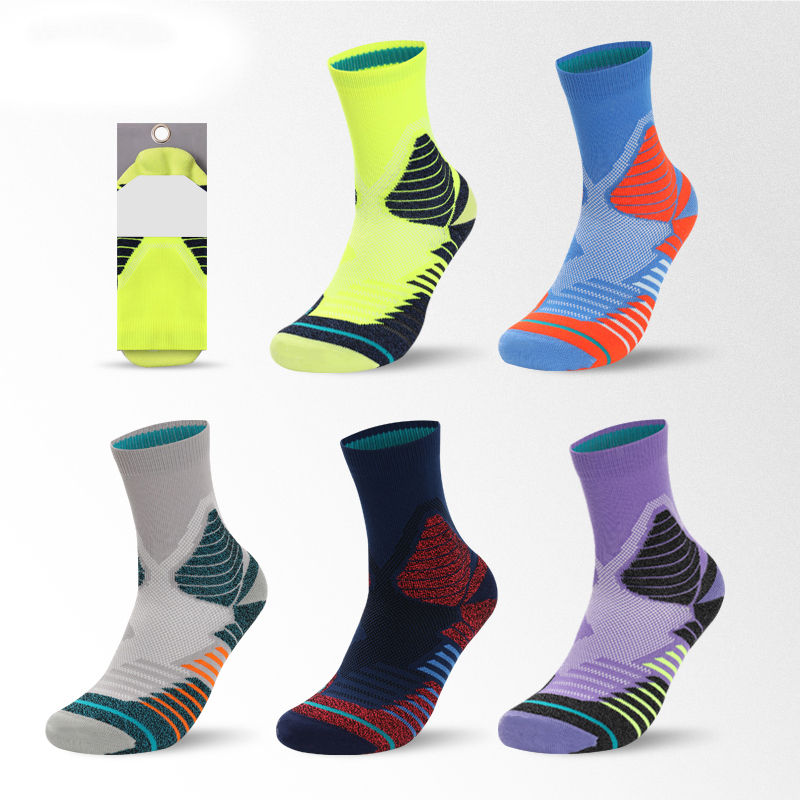
Your feet work harder than almost any other part of your body. Each foot contains 26 bones, 33 joints, and thousands of nerve endings, and the average person takes between 5,000 and 10,000 steps every day. On top of that, each foot is home to roughly 250,000 sweat glands — enough to push out as much as half a pint of moisture daily. Now think about the thin layer of fabric that sits directly against all of that: your socks. The wrong socks trap sweat, irritate skin, press on nerves, and create friction. The right ones keep the skin dry, the tissue supported, and the foot comfortable from morning to night.
The question "what are the healthiest socks to wear" is not a cosmetic one. It is a question about the daily health of the skin, circulation, and joint comfort of the lower body. In short: the healthiest socks are made from moisture-managing natural fibers such as merino wool or a balanced blend, knitted without irritating seams, sized to hold the foot without squeezing it, and finished without harsh chemical treatments. This guide explains each part of that answer, why it matters, and how to apply the same standard whether you are buying one pair for yourself or reviewing a sock line for your own brand.
What Actually Makes a Sock Healthy
A healthy sock is not defined by a single feature. Two socks can look almost identical on a shelf and behave completely differently over a 12-hour day. The difference comes down to six factors that work together: what the yarn is made of, how quickly moisture moves away from the skin, how much air the knit allows through, how the seams and cushioning are arranged, how the sock fits around the foot, and what chemicals are used to dye or finish the fabric.
Fiber Content
The fiber is the starting point. Natural fibers like wool and bamboo bring breathability and moisture control, while synthetics like nylon and polyester add strength and elastic recovery. No single fiber does everything well, which is why most good socks are blends. The healthiest options balance natural performance fibers with a small percentage of synthetic material for durability and fit retention.
Moisture Management
When sweat stays on the skin, bacteria multiply and the foot becomes vulnerable to blisters, fungal infections, and odor. A healthy sock pulls moisture away from the skin and spreads it across a larger surface so it can evaporate. This is called moisture wicking, and it is the single most important technical job a sock performs.
Breathability
Airflow matters for temperature regulation. A sock that traps heat makes the foot sweat more; a sock that lets air circulate keeps the skin cooler and drier. Knitting structure plays a large role here — open, mesh-like zones allow air in, while dense terry loops retain warmth where it is needed.
Construction and Seams
Seams are the most common source of sock-related irritation. A bulky seam at the toe presses against the skin with every step. A seamless toe, or a hand-linked seam, eliminates that hard ridge. Well-placed cushioning also protects the heel and forefoot, where impact and friction are heaviest.
Fit and Pressure
A sock that is too loose bunches up and causes friction. A sock that is too tight acts like a tourniquet, restricting blood flow and leaving red marks. The healthiest socks match the natural shape of the foot, support the arch without squeezing it, and use a cuff that stays up without leaving an elastic imprint around the ankle.
Chemical Finishes
Finally, look at how the sock was processed. Some cheap socks are finished with harsh dyes, bleaches, or softening agents that can trigger skin reactions, especially for people with eczema or sensitive skin. High-quality manufacturers use certified dyes and pay attention to pH balance in the finishing process. This is hard to verify from a label alone, which is one reason sourcing from a reputable factory matters.
How Sock Materials Compare for Health
Not all fiber claims are equal, and marketing descriptions often make every material sound like a miracle. The table below compares the fibers most commonly used in socks across the health factors that matter: moisture wicking, breathability, warmth, durability, odor resistance, and overall suitability.
Table 1. Comparison of common sock fibers across health-related performance factors.
| Material |
Moisture Wicking |
Breathability |
Warmth Retention |
Durability |
Odor Resistance |
Best Suited For |
| Merino wool |
Excellent |
Excellent |
Excellent |
Good |
Excellent |
All-day and all-season wear |
| Regular wool |
Moderate |
Moderate |
Excellent |
Moderate |
Good |
Cold-weather insulation |
| Cotton |
Poor |
Moderate |
Poor |
Moderate |
Poor |
Short casual wear in dry conditions |
| Bamboo viscose |
Good |
Good |
Moderate |
Moderate |
Good |
Sensitive skin and warm weather |
| Polyester |
Excellent |
Moderate |
Moderate |
Good |
Poor |
Sports and high-activity use |
| Nylon |
Moderate |
Moderate |
Poor |
Excellent |
Poor |
Adding durability to blended yarns |
| Blends (wool + synthetic) |
Excellent |
Good |
Excellent |
Excellent |
Good |
Everyday wear with long service life |
Moisture retention is where materials separate most clearly. The chart below shows roughly how much moisture each fiber holds against the skin under the same conditions. Lower percentages mean drier feet and a smaller chance of blisters, odor, or fungal growth.
Moisture retained against the skin by fiber type (relative comparison, lower is better)
Merino wool 28%
Polyester 35%
Bamboo viscose 50%
Nylon 60%
Cotton 80%
Cotton is the most common sock material in the world and also the most problematic for all-day wear. Cotton fibers hold water like a towel. When your foot sweats, the cotton absorbs the moisture, presses it against the skin, and makes the fabric heavier and colder. A cotton sock works fine for a short walk to the store, but for a full workday, a hike, or a workout, it becomes a breeding ground for bacteria and friction blisters. That is why almost every performance sock on the market moves away from pure cotton toward wool, bamboo, or engineered synthetics.
Moisture Management: The Core of Foot Health
Moisture is the common thread behind most foot problems. When the skin stays wet for hours, the outer layer softens and wrinkles, making it more vulnerable to friction damage. Blisters form where the sock rubs against weakened skin. Bacteria and fungi, which thrive in warm humid environments, multiply quickly and produce the waste products that cause odor, athlete's foot, and other infections.
A sock that manages moisture well does not simply absorb sweat. It moves the moisture along the fiber, away from the skin, to a point where it can evaporate. Merino wool does this naturally because of its structure. Each wool fiber has a microscopic scale-like surface and a crimped core, allowing it to absorb water vapor while still feeling dry against the skin. Wool can hold up to 30 percent of its weight in moisture without feeling wet, which is why wool socks remain comfortable during intense exercise and cold-weather hikes.
For extremely active use, some manufacturers also build a double-layer thermal sock construction that keeps feet dry by using an inner layer to wick and an outer layer to evaporate. This design is common in ski and trekking socks, where cold feet are usually wet feet first.
Breathability works hand in hand with moisture management. A tightly packed knit traps heat, which triggers more sweating. A looser or mesh-structured knit allows air to move, carrying vapor away. Many high-quality everyday socks use a combination of both: fine gauge knitting near the ankle for fit, and a more open structure on the instep for ventilation.
Construction Details That Affect How a Sock Feels
It is possible to take two socks made from the same yarn and produce completely different products through construction. The knitting machine, the needle gauge, the pattern of loops, and the way the sock is finished all influence how it feels on the foot. These are the construction details that make a sock noticeably healthier to wear.
Seamless toe box
A seamless toe is knitted closed without a thick connecting seam, or finished with a hand-linked toe seam that lies flat. This removes the hard ridge that digs into the toes on a long walk.
Terry loop cushioning
Loops of yarn knitted into the heel and forefoot create a soft, padded layer. Terry cushioning absorbs impact and protects the skin from repeated friction inside a shoe.
Arch and ankle support
A shaped knit that follows the arch of the foot reduces bunching and gives a secure, non-slip fit. Light compression around the arch also reduces strain during long standing hours.
Mesh ventilation zones
Open-knit panels placed over the top of the foot or along the ankle allow warm vapor to escape quickly. These zones matter most in sports socks worn for hours of activity.
Reinforced heel and toe
The heel and toe withstand the most friction, both from the shoe and from the ground. Reinforced sections with a denser knit extend the sock's life and prevent holes from developing early.
Flat, flexible cuff
A cuff that is too tight leaves deep marks and restricts circulation. A well-designed cuff uses a combination of elastic and yarn tension to stay up without digging into the leg.
These features are not gimmicks. They are engineering decisions that reduce friction, control temperature, and distribute pressure. When a sock has all of them, the foot stays healthier even under heavy use. When even one is missing, the effect is noticeable over a long day.
Wool Socks: The Natural Reference Standard
If there is a single material that most podiatrists and outdoor specialists recommend for daily foot health, it is wool — specifically merino wool. Merino fibers are four to five times finer than traditional sheep's wool, which makes them soft enough to wear next to the skin without itching. The natural structure of wool gives it three advantages that no synthetic fiber fully matches.
First, wool regulates temperature in both directions. It traps warmth in cold weather, but it also keeps feet from overheating in mild conditions by moving moisture vapor away and releasing it into the air. This is why wool socks work in summer and winter, and why guides about the healthiest socks almost always place wool at the top of the list. Second, wool resists odor naturally. Bacteria grow more slowly on wool fibers than on synthetics, so wool socks stay fresher at the end of the day or after a long flight. Third, wool retains its insulating and cushioning properties even when damp, which is why hikers and cold-weather workers rely on it.
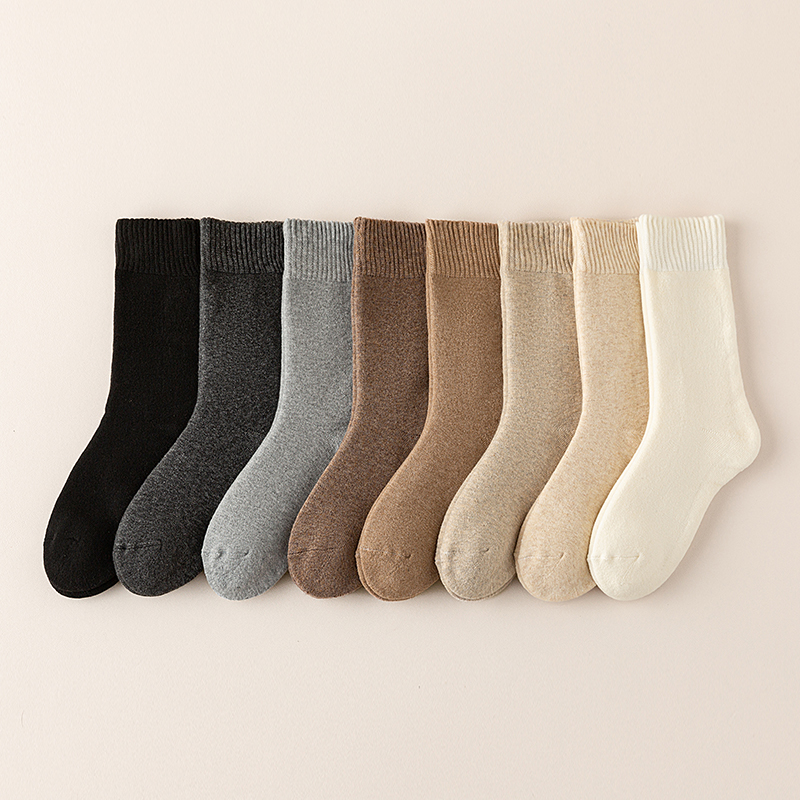 Wholesale Merino Wool Thermal Socks for Men and WomenThis wool sock collection offers temperature-regulating, moisture-wicking comfort in solid colors and knee-length options, making it a practical choice for year-round wear and outdoor activity.View Product →
There are, however, real considerations. Fine merino wool is more expensive than cotton, and it requires careful washing. Hot water, chlorine bleach, and mechanical tumble drying can shrink and harden the fibers. There is also a small group of people who react to lanolin or experience itchiness even with fine wool. For those individuals, a quality blend that combines a lower percentage of merino wool with bamboo or cotton can be a practical alternative.
Pure wool is also less durable on its own, so most manufacturers combine it with nylon or polyester for strength. A well-constructed wool blend — typically 40 to 70 percent merino with the remainder synthetic — is the sweet spot: enough wool for natural moisture control and odor resistance, enough synthetic for elasticity and long life.
Synthetic Blends and Sports Socks: When Performance Counts
Synthetic fibers get a negative reputation in wellness conversations, but they play an important role in the healthiest socks when used correctly. Polyester and nylon offer two things natural fibers cannot provide as effectively: rapid wicking and structural durability. For sports and high-activity situations, a sock that moves sweat away quickly and keeps its shape under heavy friction is often healthier than a pure natural sock.
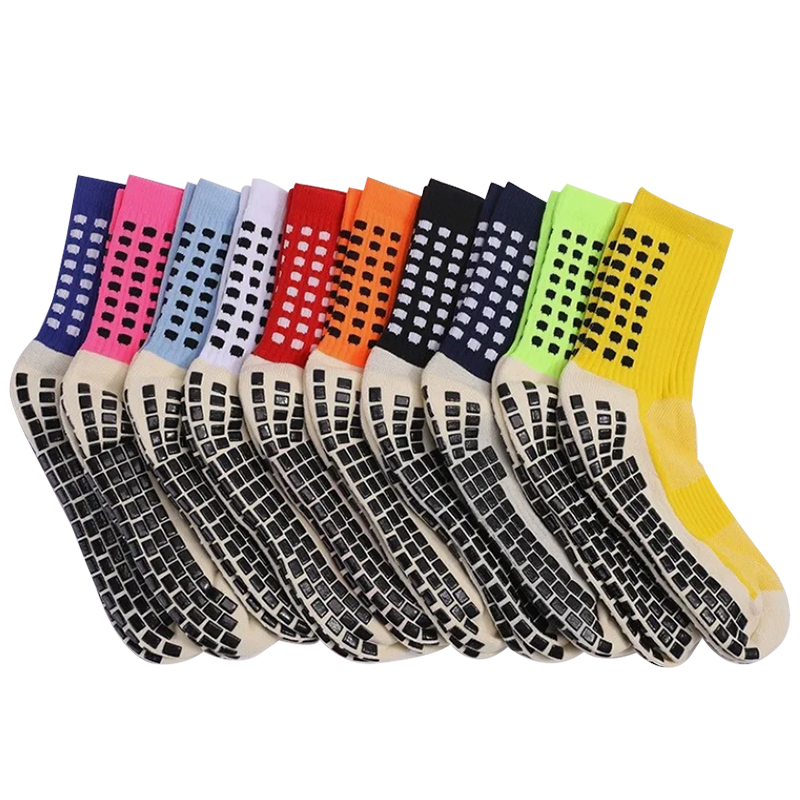
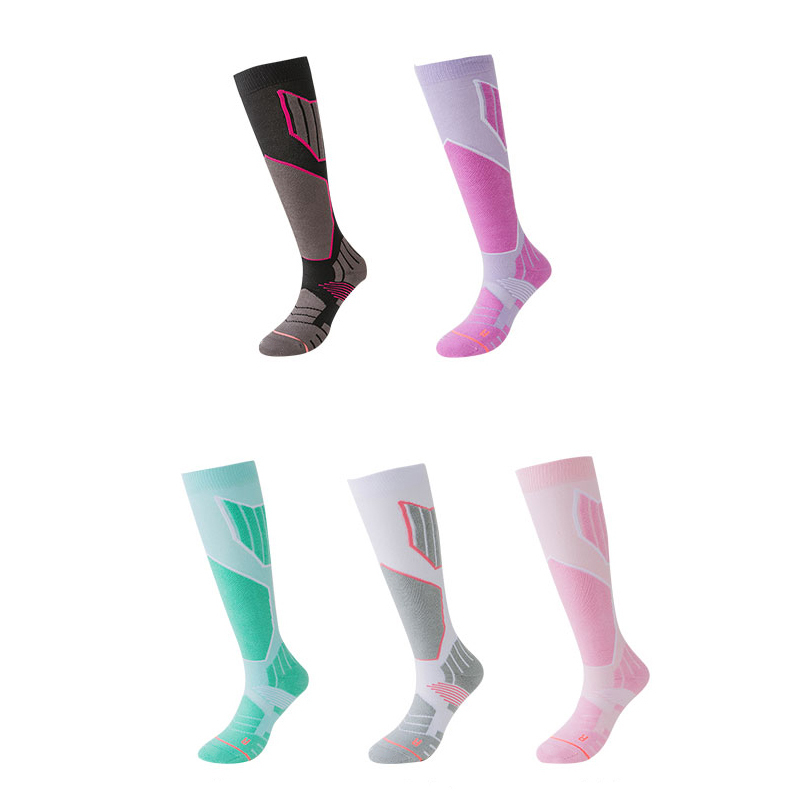
The key is balance. Most fitness-oriented companies produce socks that are around one-third natural fiber and two-thirds synthetic, or sometimes the reverse, depending on the sport. Basketball socks, cycling socks, and yoga socks all have specific demands: thick cushioning in some areas, compression in others, and a non-slip grip on the sole where needed. For example, compression sport socks use graduated pressure to support blood flow during long endurance sessions, reducing the heavy feeling in tired legs after a run or a bike ride.
What matters for health is not whether the sock contains synthetics, but whether the combination matches the intended use. A purely cotton sports sock is unhealthy because it stays wet. A synthetic-only sports sock can become odorous and stiff over time. A well-designed blend — breathable, cushioned, and shaped for the sport — delivers comfort that prevents blisters and keeps skin dry through the entire session.
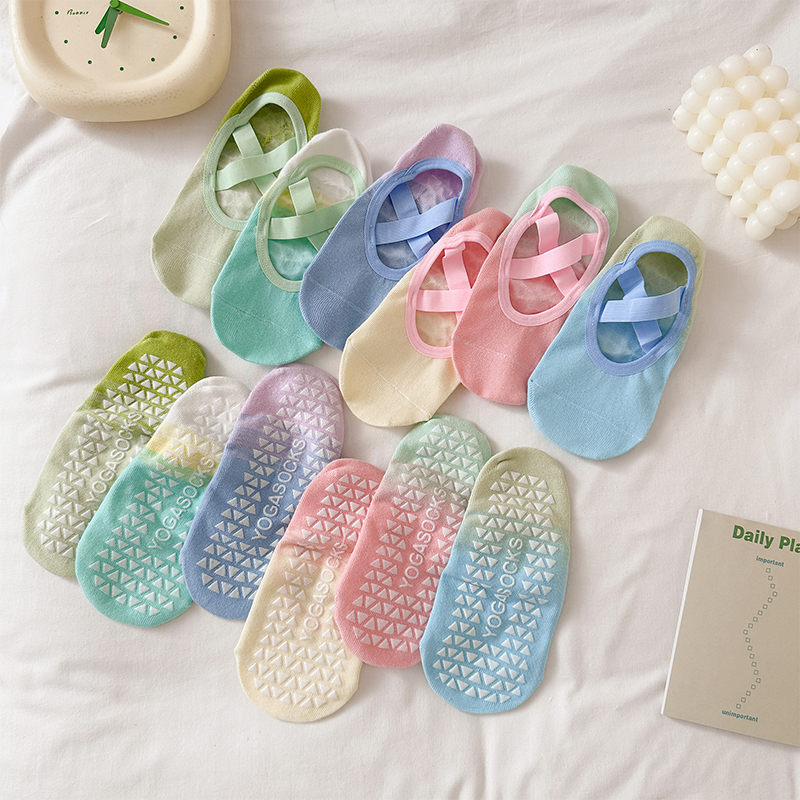 Non-Slip Quick-Dry Yoga and Fitness SocksThese breathable nylon yoga socks feature a non-slip sole and customizable colors, materials, and patterns, providing stability and comfort during exercise or recovery.View Product →
If your daily routine includes regular movement, exercise, or long periods of standing, it is also worth paying attention to compression levels. Light compression around the calf is generally safe and can improve the feeling of circulation during activity. Heavy compression, however, should only be used under medical advice. The healthiest sports socks combine a small amount of compression with generous cushioning and mesh ventilation, so you get support without restriction.
Socks for Circulation Problems, Diabetes, and Sensitive Skin
For people with diabetes, poor blood flow, or easily irritated skin, sock choice becomes a medical consideration rather than a style preference. Diabetic feet are more vulnerable to injury, infection, and slow healing. A sock that is designed for that condition can prevent serious problems.
Diabetic-friendly socks share a few specific design rules. They are seamless or have extremely smooth seams, because any ridge can rub on numb skin without being noticed. The cuff is loose enough to avoid restricting circulation, yet firm enough to stay in place. The yarn is soft and moisture-wicking to reduce the risk of bacterial growth. Some diabetic socks also use white or very light colors so that any discharge or discoloration is easy for the wearer to spot.
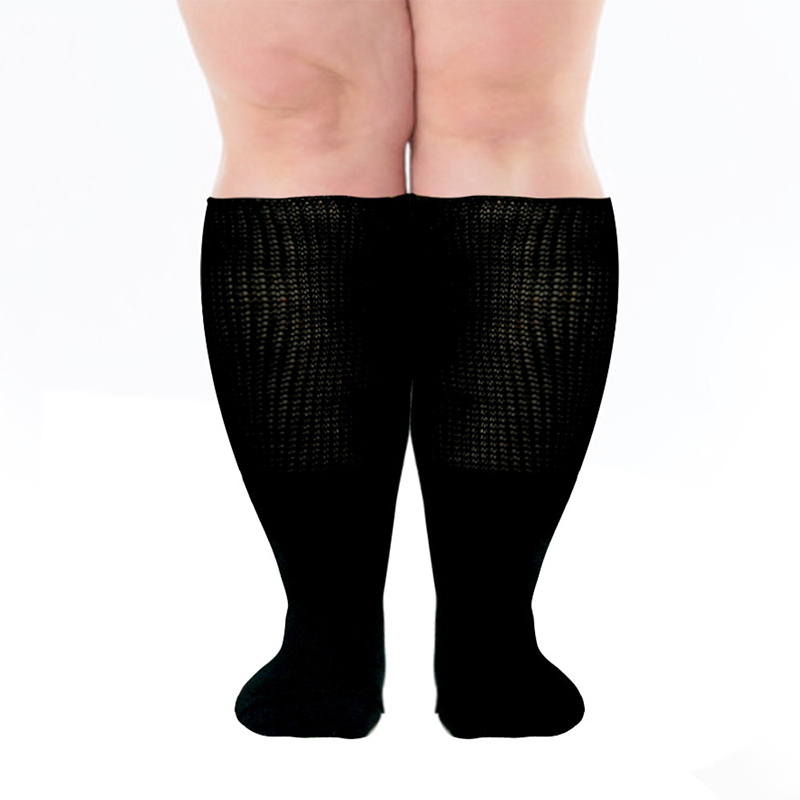 Wide Pressure-Free Diabetic and Obesity SocksThese extra-large, zero-pressure socks feature a loose fit and soft terry construction to reduce irritation, with light colors that help wearers spot any discharge.View Product →
The same principles apply to elderly people with fragile skin, to people who sit on long flights, and to anyone experiencing regular swelling in the lower legs. A sock that digs into the ankle does real harm over time. Loose-fitting socks with seamless toes and soft natural fibers are a safer choice in all of these situations. If you notice deep elastic marks on your ankles or calves at the end of the day, your socks are too tight, regardless of how comfortable they feel in the morning.
Choosing the Healthiest Socks for Everyday Situations
There is no single sock that is the absolute healthiest for every person and every situation. Instead, the right answer depends on what the foot is doing, what footwear it is inside, and how many hours the socks will be worn. The cards below break down recommendations for common daily scenarios.
Office and desk work
8 to 10 hours of sitting
Choose a medium-weight wool blend or bamboo blend with a seamless toe. Keep the cuff relaxed, since sitting reduces blood flow in the lower legs and a tight band makes it worse.
Retail, healthcare, factory work
8 to 12 hours of standing or walking
Look for terry-loop cushioning in the heel and forefoot plus light arch compression. A thicker cushion distributes impact over a larger area and reduces joint fatigue.
Running, gym, and team sports
1 to 3 hours of intense movement
Use a synthetic blend with high wicking ability, mesh ventilation panels, and a snug heel pocket. The sock should stay completely dry at the end of the workout.
Winter and outdoor work
Cold weather and wet conditions
A thick wool sock or a double-layer construction keeps the foot warm even when moisture gathers. Remember that a sock that stays half-dry is warmer than a dry cotton one.
Travel and long flights
3 to 12 hours seated
Light compression socks help prevent swelling in the lower legs on long flights. Make sure the pressure is gentle and the toe area is seamless enough to walk comfortably in.
Sleep and rest
Bedtime or recovery
For people who struggle with cold feet at night, a thin breathable wool sock worn to bed can improve sleep quality. Avoid tight or heavily cushioned socks during rest.
How to Care for Healthy Socks (So They Stay Healthy)
A sock's health benefits are directly tied to how well it is maintained. Washing and drying habits change the fit, the moisture-wicking performance, and the softness of the fiber quickly. Incorrect care is one of the most common reasons a good pair of socks becomes uncomfortable after only a few washes.
Table 2. Recommended care guidelines for wool, bamboo, and performance blend socks.
| Care Step |
Recommended Practice |
Why It Matters |
| Washing temperature |
30 to 40 degrees Celsius, gentle cycle; wash inside out |
High heat shrinks wool and degrades elastic fibers, causing socks to lose their shape. |
| Detergent |
Mild detergent, no chlorine bleach, no fabric softener |
Fabric softener coats synthetic fibers and destroys moisture-wicking performance; bleach damages natural proteins. |
| Drying |
Air dry flat or hang; avoid high-heat tumble drying |
Excessive heat hardens wool and accelerates the breakdown of elastic yarns. |
| Sorting |
Wash dark and light socks separately; zip or button any rough clothing nearby |
Loose clasps and zippers catch sock fabric and create pulls or snags that feel rough on the skin. |
| Replacement timeline |
Replace everyday socks after 6 to 12 months of regular wear |
A worn sock loses its cushioning and elastic recovery, so it no longer protects the foot properly. |
Even the best sock has a limited service life. When the fabric thins at the heel, when the cuff no longer stays up, or when the cushioning feels flat, the sock has stopped doing its health job. Wearing a degraded sock is like wearing a shoe with a worn-out sole: the support is gone even though the outer material still looks acceptable. Following a simple care routine extends the life of a good sock, but knowing when to replace it is just as important for foot health.
The Factory View: What Quality Socks Have in Common
When you buy socks from a brand, you rarely see the production process behind them. But the healthiest socks share similar production standards, regardless of where the label sits. As a manufacturer with two decades of sock-making experience, we see these differences every day: the same pattern can be knit from good yarn or bad yarn, on calibrated machines or neglected ones, with proper finishing or shortcuts.
Three production factors have a direct influence on sock health. The first is yarn quality. A sock made from consistent, well-spun yarn is smoother against the skin and less likely to develop hard spots or thin areas. The second is machine calibration. A knitting machine that runs at the correct tension produces even loops, which means consistent cushioning and a correct fit around the arch and heel. When tension is off, the sock feels tight in some areas and baggy in others. The third factor is finishing, which includes washing off manufacturing oils, setting the dye, and removing loose fibers. A sock that skips proper finishing can carry irritants that cause red skin or itchiness, even if it looks perfect in the package.
Understanding these production details is especially useful for businesses that sell socks under their own name. A sock that looks healthy from the outside can fail in comfort after one wash if the wrong yarn or process was used. Buying from a factory that controls these variables is a real difference rather than a marketing line. If you are planning a private-label sock line and want to review construction standards or material options, our factory team works directly with customers to define the exact yarn, knitting structure, and finishing that match their target market.
Frequently Asked Questions
Are bamboo socks actually healthy for your feet?
Yes, for most people. Bamboo viscose is soft, breathable, and absorbs moisture well, making it gentler on sensitive skin than cotton. The main caution is that bamboo socks on their own lack elasticity and durability, so they should be blended with nylon or spandex. Also check the actual fiber content on the label: some products labeled bamboo are mostly polyester with a small bamboo component.
Is 100% cotton ever a healthy sock choice?
Only for short, low-activity wear in dry conditions. Cotton absorbs sweat and holds it next to the skin, which increases friction and bacterial growth. For an entire day of work, walking, or exercise, cotton is one of the least healthy options because it stays wet and heavy. Blends with a large wool or bamboo content are better for full-day wear.
Are wool socks too hot for summer?
A common misconception. Lightweight merino wool socks are actually cooler than cotton in summer because they move sweat vapor away from the skin, allowing it to evaporate. The wool fiber also absorbs heat slowly, so the foot heats up less. If wool feels too warm, a bamboo and nylon blend with mesh ventilation is the next best option for summer comfort.
How often should socks be replaced for foot health?
For socks worn daily, plan to replace them every 6 to 12 months. The signs are clear: thinning at the heel and toe, loss of cuff elasticity, flattened cushioning, and the sock no longer staying in place. Worn socks create more friction and offer less protection, which increases the risk of blisters and general foot fatigue.
Can compression socks improve leg circulation?
Light to moderate compression socks can reduce swelling and fatigue during long periods of sitting or standing, and they are often recommended for long flights. They work by supporting the veins in the calf and helping blood return toward the heart. However, medical-grade compression should only be chosen with professional advice, and anyone with arterial disease should not wear compression without a doctor's approval.
Do seamless socks really make a difference for sensitive feet?
Yes. A standard toe seam creates a raised horizontal ridge that presses against the tips of the toes with every step. For people with diabetes, arthritis, or sensitive skin, this constant rubbing can lead to redness, calluses, and even open sores. A seamless toe or a fully hand-linked seam removes that ridge and lets the toes move naturally inside the sock.
Healthy socks do not come from a single magic fiber or a clever marketing phrase. They come from thoughtful choices: moisture-managing natural materials, balanced blends, proper knit construction, correct fit, and respectful care. Start with the basics — a soft breathable fiber, a smooth seam, and a cuff that does not pinch — and your feet will show the difference within a few days of wear. Whether you are shopping for your own wardrobe or planning a private-label product for customers, the same standard applies: the healthiest sock is the one that keeps the foot dry, supported, and free from unnecessary pressure.

 English
 Español