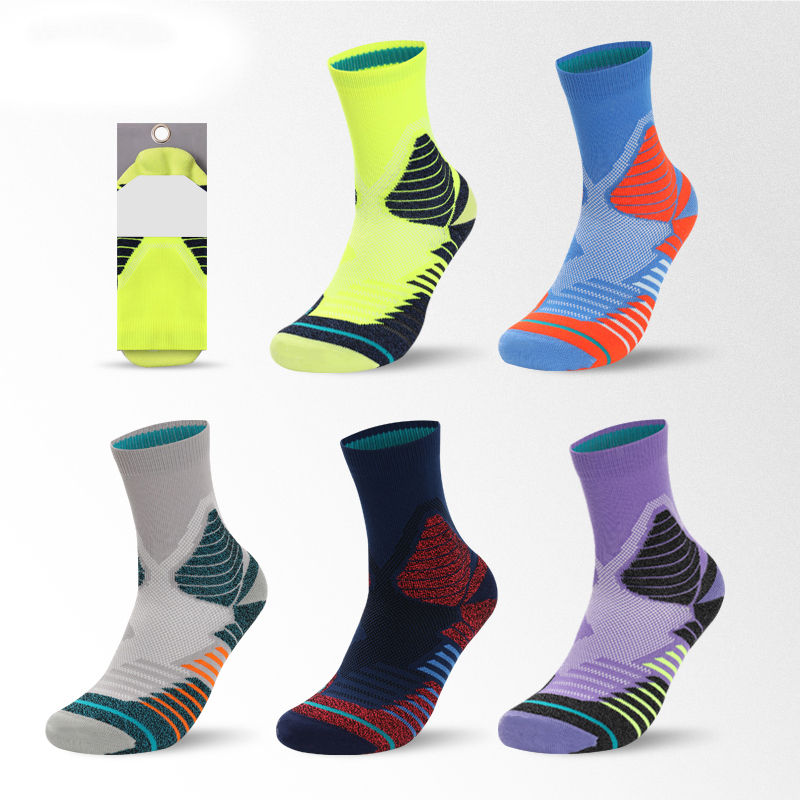
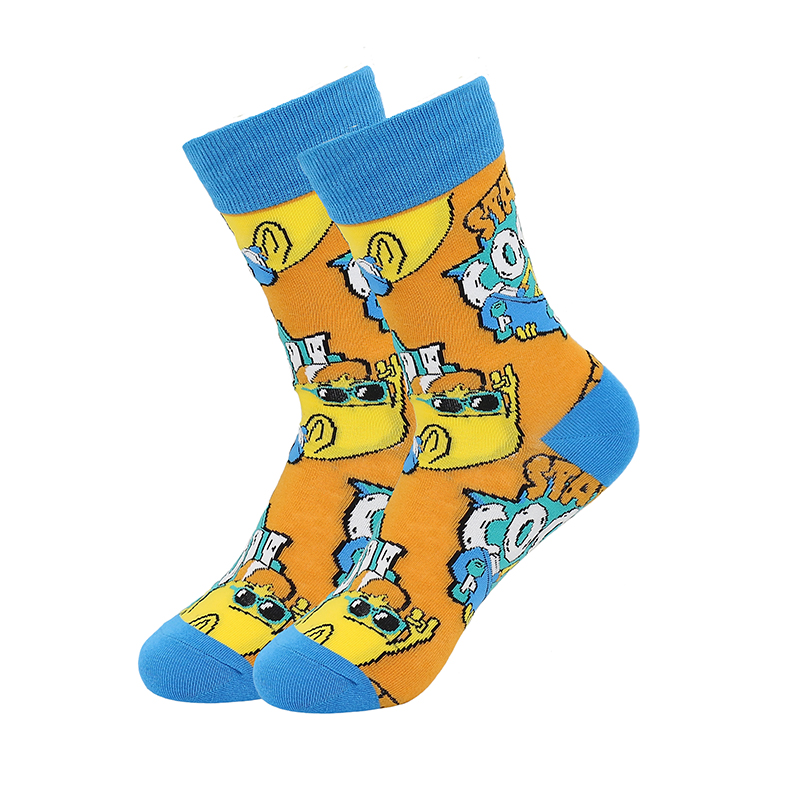
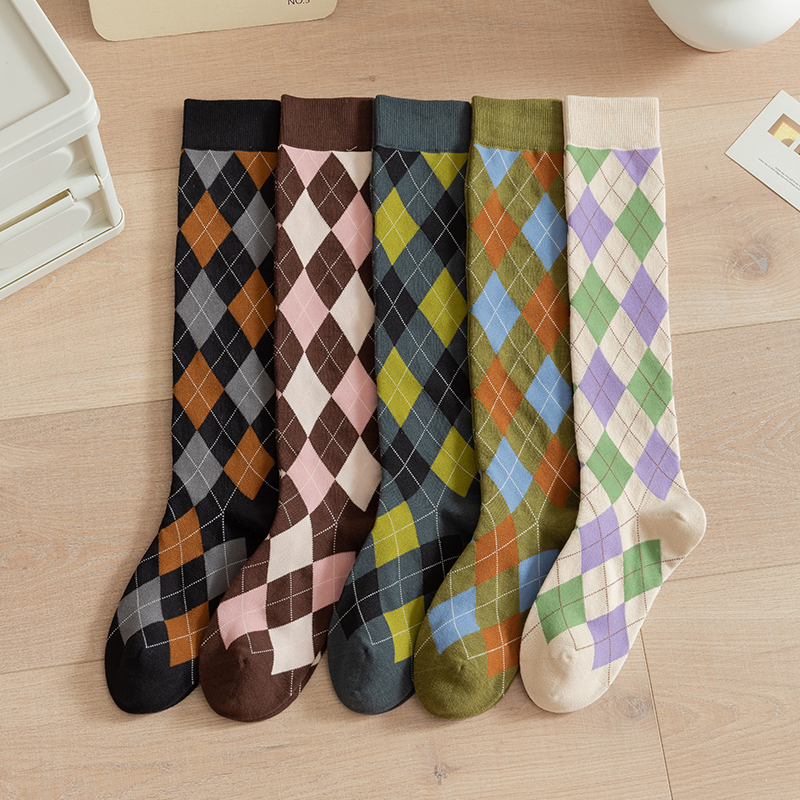
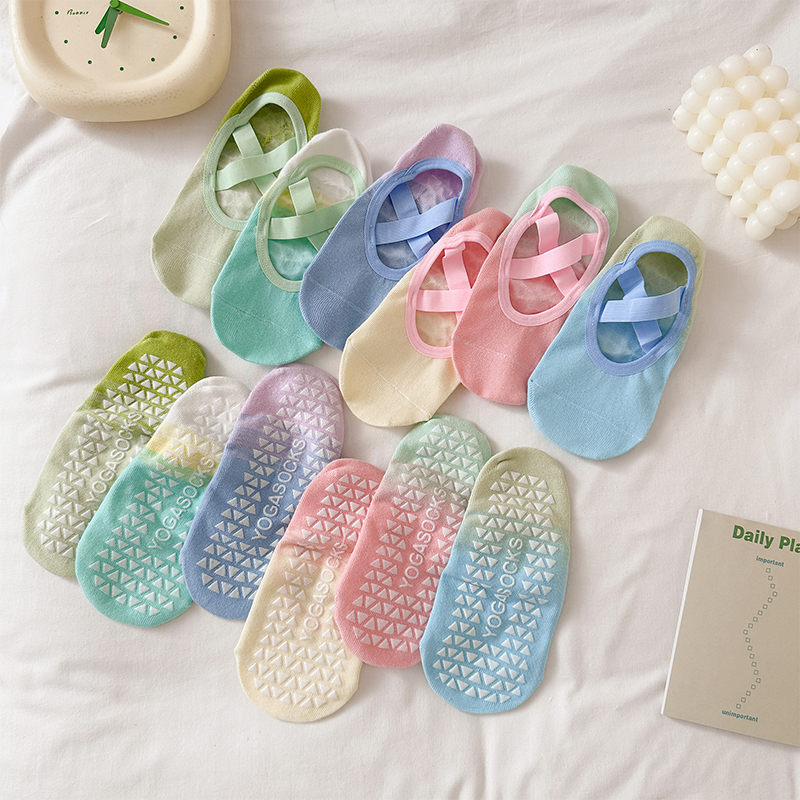
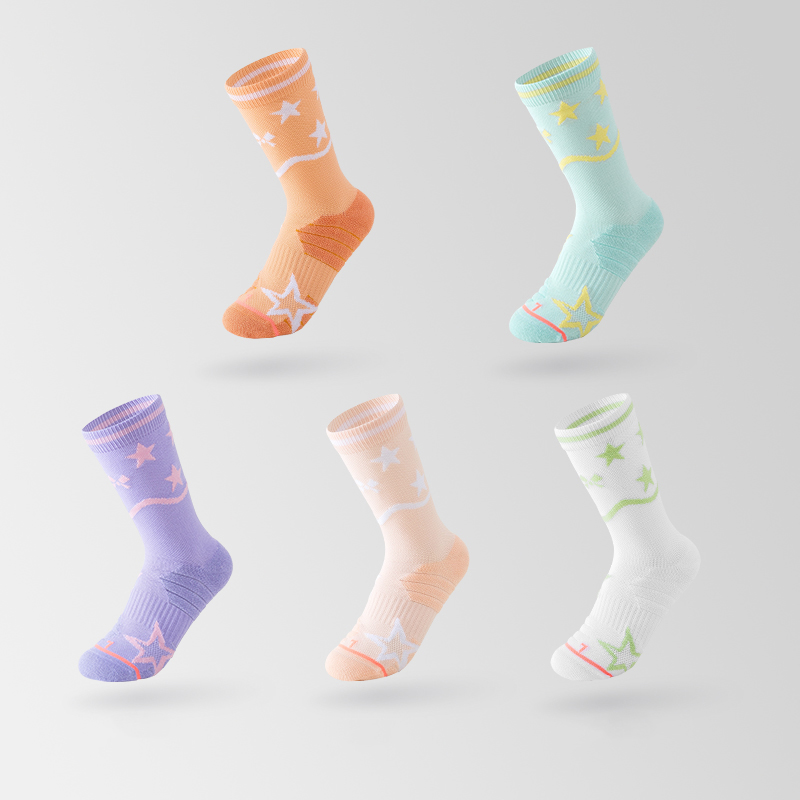
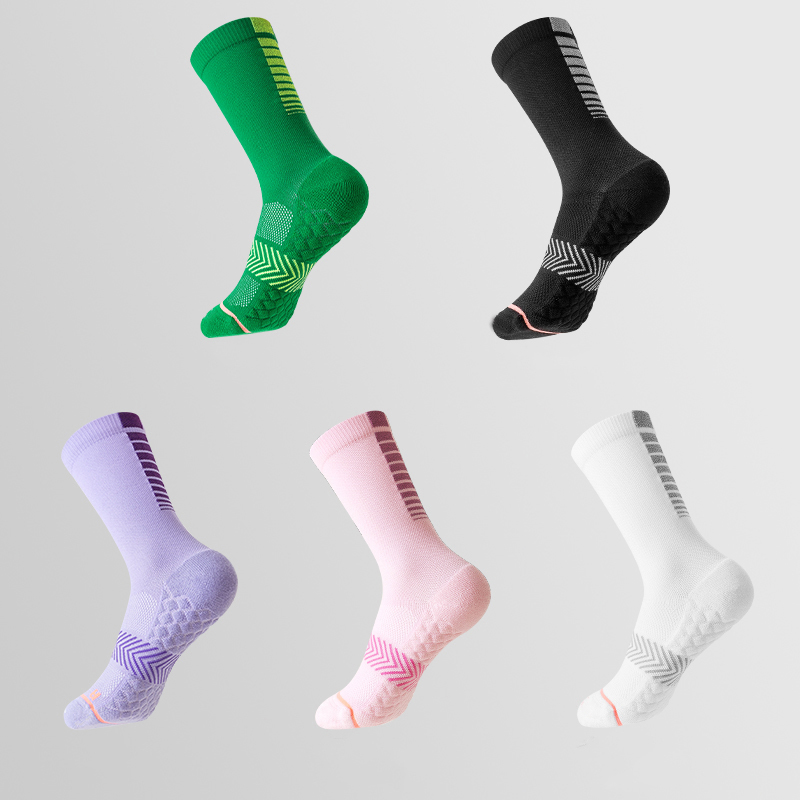
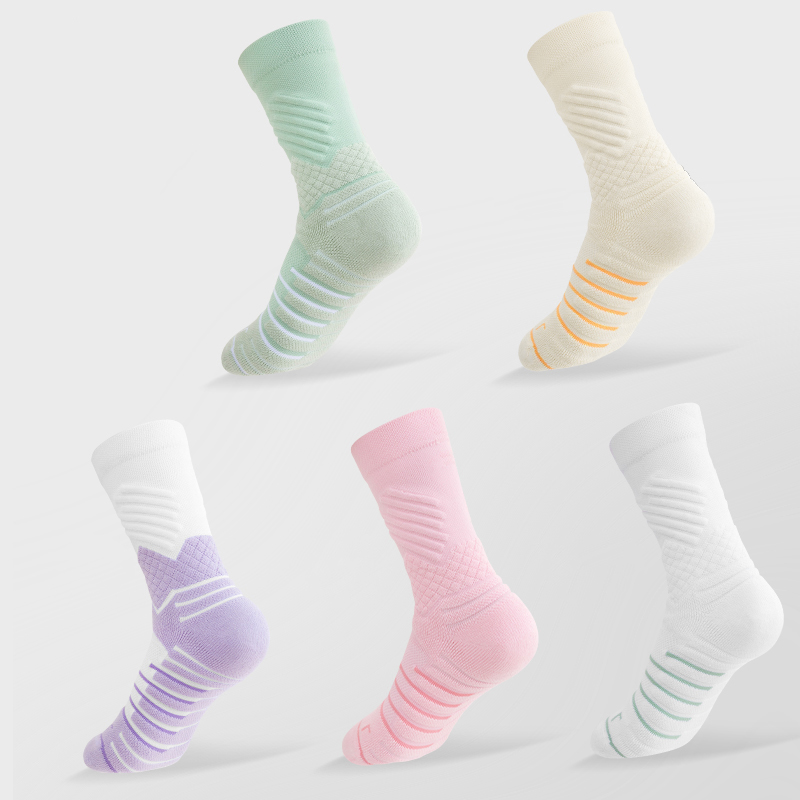
In the pursuit of sports performance and foot health, choosing the right sports socks is often a key link in improving competitive state. Whether for professional athletes or daily sports enthusiasts, scientifically adapted sock products based on the mechanical characteristics, foot force distribution, and environmental requirements of different sports can effectively reduce the risk of sports injuries and optimize physical output.
Mechanical Structure and Technical Indicators of Sports Socks
Professional sports socks are not simple fiber knits, but provide differentiated support for the feet through precise ergonomic design and composite material technology. Common technical parameters cover fiber composition, cushioning areas, and support architecture.
| Sports Type |
Key Requirement |
Cushioning Focus |
Suggested Fiber Composition |
| running socks |
Friction management and breathability |
Heel and forefoot |
Synthetic fibers/Merino wool |
| cycling socks |
High fit and heat dissipation |
Arch/low load |
Ultra-thin high-breathability synthetic fibers |
| football socks |
Ankle stability |
Full sole/ankle reinforcement |
High-wear nylon blend |
| golf socks |
Ultimate moisture absorption and lightweight |
Low-density cushioning |
Bamboo fiber or lightweight synthetic fiber |
| tennis socks |
Lateral support and stability |
Forefoot/flanks |
High-elastic thickened fibers |
| baseball socks |
Durability and lower leg protection |
Critical impact areas |
Reinforced wear-resistant synthetic fibers |
| softball socks |
Abrasion resistance and breathability |
Arch support area |
Quick-dry lightweight materials |
| gym socks |
Multi-functional support and non-slip |
Full sole/sole non-slip |
Elastic high-support materials |
Professional Adaptation for Different Sports Scenes
Foot Protection for Runners: running socks
During the running process, the feet endure repeated vertical pressure. The core logic of running socks lies in reducing shear force-induced blistering. Through a seamless toe structure and annular compression bands at the arch, they ensure the socks fit the feet perfectly, reducing sliding friction while using high-density moisture-wicking fibers to maintain a dry micro-environment.
Dynamic Requirements for Cycling and Ball Games: cycling socks and tennis socks
The original design intention of cycling socks is to reduce displacement between the foot and the cycling shoe, and their ultra-thin material structure ensures direct power transmission during pedaling. Conversely, tennis socks focus on shock absorption from lateral movements, with thickened flank knitting providing necessary mechanical support for sudden stops and turns, protecting the ankle ligaments.
Targeted Competitive Performance: football socks, baseball socks and softball socks
football socks usually have a greater length, aiming to provide an extra sense of wrapping and working in synergy with shin guards to alleviate leg fatigue. baseball socks and softball socks also emphasize wear resistance during high-intensity movement, especially in frequent acceleration and sliding actions, protecting key foot friction areas from injury.
Basic Training and Precision Sports: gym socks and golf socks
In the gym environment, gym socks need to balance the demands of multi-directional movement, featuring good sole non-slip and arch locking functions. For golf socks, due to the high requirements for stability within the shoe environment, their low-profile design, combined with ultimate moisture-wicking performance, ensures players maintain a steady center of gravity and dry soles throughout the full swing process.
Scientific Selection of Materials and Construction
No matter what type of sports sock is chosen, the material is the foundation of its performance. Pure cotton materials absorb water easily and dry slowly during exercise, which can easily lead to blisters, so they are gradually phased out in professional applications. Modern high-performance sock products mostly use precise ratios of nylon, polyester, and spandex, combined with special knitting processes to achieve rapid moisture expulsion.
In addition, targeted cushioning is an important sign of modern sports gear. By increasing the density of terry knitting in high-impact areas such as the heel and forefoot, impact can be effectively absorbed without increasing overall thickness. This precise mechanical layout can significantly alleviate tension in the plantar fascia, thereby maintaining foot comfort and functionality during prolonged exercise.
For users pursuing competitive performance, identifying the physiological requirements of specific sports and matching them with professionally designed socks is not just an upgrade in sports equipment, but a precise care for the biomechanical characteristics of the foot.

 English
 Español