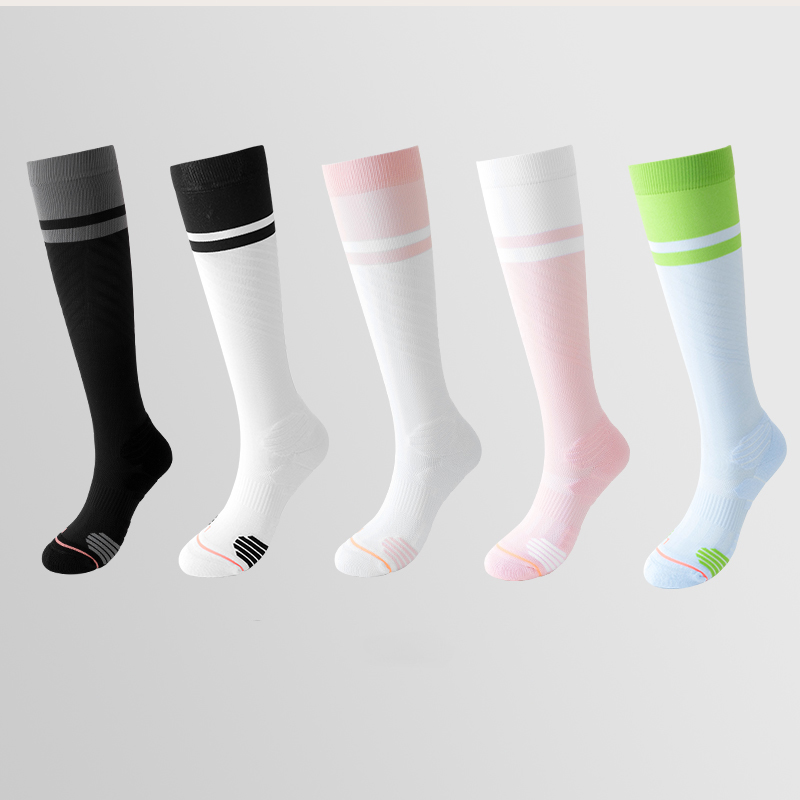
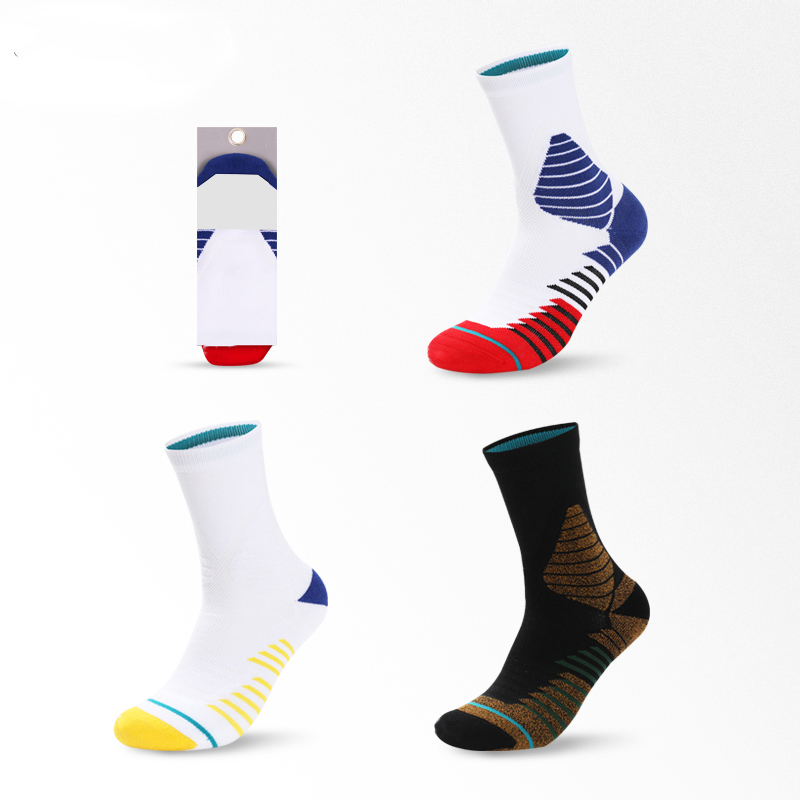
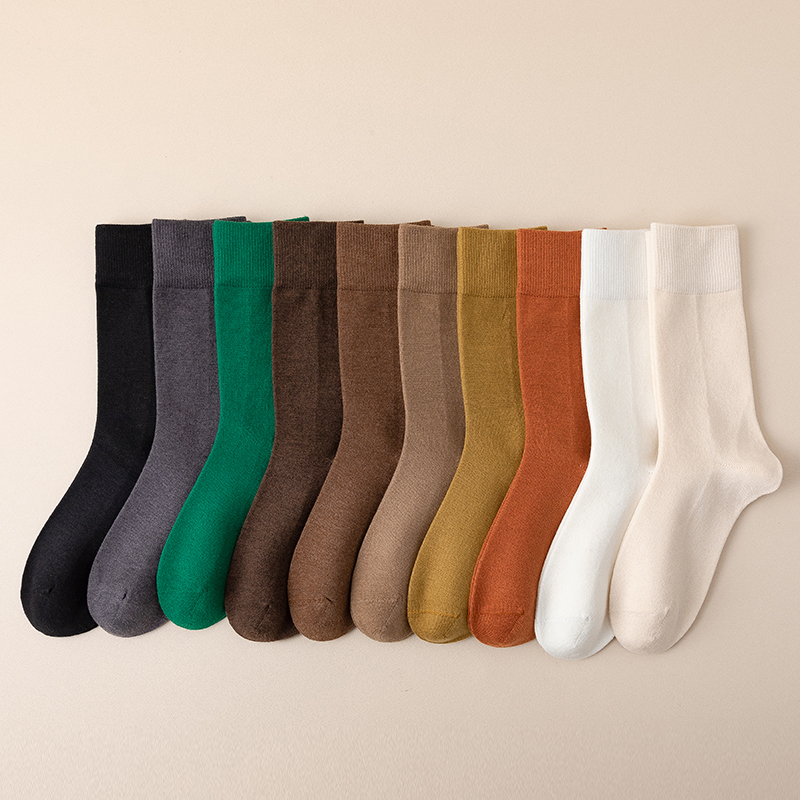
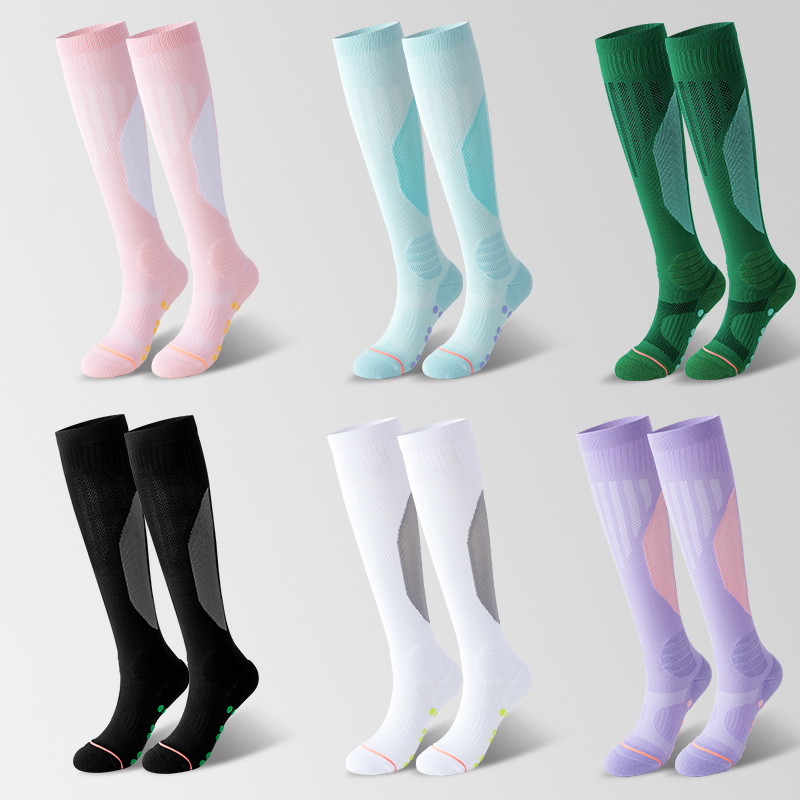
Thermal Socks Manufacturing: Fiber Structure, Knitting Technology and Performance Standards
Every pair of Thermal Socks leaving a professional knitting mill goes through a controlled sequence of fiber selection, yarn spinning, circular knitting and finishing before it reaches a warehouse shelf. This process determines whether thermal socks work as intended once they reach a cold climate, a ski slope, a warehouse floor or a daily commute. Understanding what happens inside a factory before a sock is packaged helps explain why two products that look similar on a shelf can perform very differently once temperatures drop below freezing.
A thermal sock is not simply a thicker version of a regular sock. The internal fiber architecture is engineered in layers: an inner layer that manages moisture next to the skin, a middle layer that traps still air for insulation, and an outer layer that resists abrasion inside a boot or shoe. Wool fiber, acrylic fiber, polyester fiber and elastane are blended in different ratios depending on the intended climate zone and end use, whether that use is daily wear, industrial work, hiking or snow sports.
Raw Material Selection
Merino wool, acrylic staple fiber, polyester and nylon are graded before spinning. Fiber diameter and staple length are checked to reduce itch and improve elasticity retention over repeated wear cycles.
Yarn Spinning
Fibers are blended and twisted into yarn with a controlled twist per inch. A tighter twist increases durability while a looser twist increases loft and trapped air volume for warmth.
Circular Knitting
Computerized circular knitting machines build terry loop cushioning at the sole and heel while keeping the leg section thinner for a secure fit inside footwear.
Finishing and Inspection
Socks are washed, boarded to shape, trimmed of loose threads and passed through a visual and tensile inspection line before folding and packaging.
Do Thermal Socks Really Work: What Determines Insulation Performance
The question do thermal socks really work comes up frequently among buyers comparing budget socks against properly engineered thermal socks. The honest answer depends entirely on construction. A sock labeled thermal but knitted with a single thin layer of cotton will not perform the same as a sock built with a wool-acrylic blend and terry loop cushioning. Insulation in textiles works by trapping air, not by the thickness of the fabric alone. A sock that traps more still air within its fiber structure while wicking moisture away from the skin will consistently outperform a thicker but poorly ventilated alternative.
Independent thermal resistance testing on hosiery typically measures a value called clo, which represents the insulating effectiveness of a textile layer. Properly constructed thermal socks with a wool content above forty percent generally test in a mid to high clo range suitable for freezing conditions, while thin acrylic-only socks test significantly lower. Moisture content also affects performance directly, since a damp sock loses a large portion of its insulating capacity almost immediately, which is why moisture management fiber is built into the inner layer rather than added as an afterthought.
| Construction Type |
Wool Content |
Cushioning Zone |
Recommended Use |
| Lightweight liner sock |
20% to 30% |
Flat knit, no terry loop |
Base layer under ski socks, mild cold |
| Standard thermal crew sock |
40% to 55% |
Partial terry at heel and toe |
Daily wear, commuting, light outdoor work |
| Heavyweight thermal boot sock |
60% to 75% |
Full terry loop sole and shin panel |
Snow work, hunting, extreme cold, industrial cold storage |
Mens Thermal Socks and Womens Thermal Socks: Fit and Structural Differences
Mens thermal socks and womens thermal socks are frequently built on different last shapes and tension settings during knitting, even when the fiber blend is identical. Mens thermal socks are typically produced with a wider forefoot section and a slightly longer leg panel to accommodate standard work boot and hiking boot volume. Womens thermal socks are more often knitted with a narrower heel pocket and a shaped arch band that reduces bunching inside slimmer footwear profiles.
Sizing charts for mens thermal socks generally start around a shoe size of seven and extend through thirteen or beyond in wide fit categories, while womens thermal socks commonly run from a shoe size of five through eleven with a tighter compression gradient at the ankle. Some manufacturers produce a unisex thermal sock on a single last, but higher performing product lines separate gender-specific patterns because foot volume, arch height and calf circumference differ enough to affect both warmth retention and pressure distribution.
Mens Thermal Socks
Wider toe box, reinforced heel wedge, extended leg length for work boots, denser terry loop for prolonged standing on cold concrete or steel flooring.
Womens Thermal Socks
Narrower heel cup, contoured arch compression, shorter leg options for ankle boots, lighter overall gram weight without reducing insulation ratio.
Youth and Compact Sizing
Smaller circumference knitting cylinders, softer yarn finish, reduced compression for developing foot structure while retaining core thermal blend.
What Are Thermal Socks: Distinguishing Structure From a Standard Sock
What are thermal socks compared to a standard crew sock comes down to three structural differences: fiber blend ratio, knit density and zoned cushioning. A standard sock is knitted primarily for coverage and light cushioning. A thermal sock is knitted with a denser stitch count per inch in the foot bed, an insulating middle layer built from acrylic or wool, and reinforced sections at the heel and toe where abrasion and heat loss are highest. The leg section is typically knitted with a lower density to maintain breathability and prevent overheating above the ankle, where insulation needs are lower than at the sole.
Elastane or spandex is added in small percentages, usually under five percent of total yarn content, to maintain shape retention across repeated washing cycles without restricting circulation. This is an important manufacturing detail because a thermal sock that loses its shape after a handful of washes will develop loose pockets that reduce contact insulation and allow cold air to circulate against the skin.
Ski Sock Layering: Do Ski Socks Go Over or Under Thermals
Do ski socks go over or under thermals is one of the most common fit questions among winter sports retailers and outdoor equipment buyers. The correct layering order places a thin thermal liner sock directly against the skin, with the dedicated ski sock worn over it as the outer layer inside the ski boot. Wearing thermal socks as an inner base layer allows moisture wicking fiber to sit closest to the skin, while the ski sock provides shin padding, shaped calf compression and boot-specific cushioning zones designed for the rigid plastic shell of a ski boot.
Stacking two thick socks on top of each other, rather than a thin thermal liner under a purpose built ski sock, is a common mistake that reduces circulation and traps excess air volume inside the boot shell, which can paradoxically make feet colder rather than warmer. Boot fit tolerance inside a ski boot is measured in millimeters, so liner sock thickness should stay low profile while still contributing meaningful insulation value.
Layering Order for Cold Weather Footwear
1. Thin thermal liner sock against the skin for moisture control.
2. Purpose built outer sock, such as a ski sock or insulated work sock, over the liner.
3. Footwear sized to allow slight toe movement, since a boot that is too tight compresses insulation and reduces warmth.
What Is The Warmest Sock To Wear: Material Comparison
What is the warmest sock to wear depends on the balance between fiber type, loft and moisture control rather than thickness alone. Wool fiber holds a natural crimp structure that traps air even when compressed inside footwear, and it retains a meaningful percentage of its insulating capacity even when damp. Acrylic fiber is lighter and dries faster but traps less air per gram than wool. Cotton, while comfortable against skin, absorbs moisture and loses insulating value quickly once damp, which makes it a poor primary fiber for cold weather thermal socks despite being common in everyday hosiery.
Merino Wool Blend
Highest warmth to weight ratio, retains insulation when damp, naturally odor resistant, softer fiber diameter reduces itch compared to coarse wool.
Acrylic and Polyester Blend
Fast drying, budget friendly, lighter overall weight, slightly lower insulation retention once moisture builds up inside footwear.
Wool and Synthetic Combination
Balances warmth retention of wool with the durability and shape recovery of synthetic fiber, common in mid and heavyweight thermal sock lines.
What Are The Best Socks For Very Cold Feet
What are the best socks for very cold feet is a question most often asked by people with poor circulation, individuals working in cold storage or outdoor industrial settings, and cold weather sport participants standing on snow or ice for extended periods. The strongest performing options combine a high wool percentage, a full terry loop sole, a slightly looser leg cuff to avoid restricting blood flow, and a moisture wicking inner face. Compression at the calf should be moderate rather than tight, since overly restrictive cuffs can reduce circulation and make cold feet worse rather than better.
Fiber Content
Wool ratio above sixty percent for maximum retained warmth in damp or freezing conditions.
Sole Cushioning
Full terry loop from heel through toe to add a dead air insulation pocket under pressure points.
Cuff Design
Moderate, non-binding cuff that holds the sock in place without restricting circulation at the ankle or calf.
Moisture Control
Inner face fiber that pulls sweat away from skin quickly to prevent the chilling effect of trapped moisture.
Are Thermal Socks Good Across Different Use Cases
Are thermal socks good depends heavily on how and where they are worn. For outdoor winter labor, thermal socks reduce the risk of cold-related discomfort during long shifts on concrete, steel or frozen ground. For daily commuting in cold climates, a lighter mid-weight thermal sock provides warmth without overheating inside standard footwear. For snow sports, thermal socks serve best as a liner layer underneath dedicated ski or snowboard socks. For travel through variable climates, a mid-weight thermal sock offers a practical middle ground between bulk and warmth.
Outdoor Work and Cold Storage
Heavyweight thermal socks with reinforced sole cushioning for standing for extended shifts on cold, hard flooring.
Daily Cold Weather Wear
Mid-weight thermal crew socks balancing warmth with breathability for indoor and outdoor transitions throughout the day.
Snow Sports Base Layer
Thin thermal liner socks worn under a dedicated ski sock for boot-fit precision and moisture control.
Travel and Variable Climates
Lightweight to mid-weight thermal socks that pack compactly while adapting to shifting indoor and outdoor temperatures.
Custom Thermal Sock Production Capability
As a manufacturer producing thermal socks at scale, fiber sourcing, yarn blending ratios, knitting gauge and finishing standards are controlled at every stage of the production line rather than assembled from third-party components. This allows precise control over wool percentage, terry loop density, compression profile and sizing curves for both mens thermal socks and womens thermal socks within the same production run. Custom color palettes, private label packaging, brand tags and size range adjustments can be configured according to the climate zone and end market the socks are intended for.
Fiber Blend Customization
Adjustable wool, acrylic, polyester and elastane ratios to match target climate zones from mild cold to extreme sub-zero conditions.
Sizing Curve Development
Separate last patterns for mens thermal socks and womens thermal socks, including compact and extended size ranges.
Color and Packaging Options
Custom yarn dyeing, jacquard knit patterns, private label tags and packaging formats built around the destination market.
Volume and Lead Time Planning
Production scheduling across knitting, finishing and quality inspection lines to match seasonal cold weather demand cycles.
Quality Control Checkpoints Before Thermal Socks Leave the Factory
Before any batch of thermal socks is packed for shipment, samples are pulled for tensile strength testing on the cuff elastic, colorfastness checks after simulated washing, and dimensional stability checks to confirm the sock retains its shape and insulation zones after repeated wear. Seam integrity at the toe closure is inspected under tension to prevent early failure at what is typically the highest stress point on any sock construction. Terry loop density is measured against target specifications to confirm the insulating sole layer meets the intended clo rating for the product category, whether that is a lightweight liner, a standard thermal crew sock, or a heavyweight cold weather boot sock.
| Inspection Point |
Method |
Target Outcome |
| Cuff elastic recovery |
Repeated stretch and release cycle testing |
Maintains snug fit after fifty or more wash cycles |
| Colorfastness |
Simulated wash and light exposure testing |
Minimal shade shift across production batches |
| Terry loop density |
Loop count per square inch measurement |
Consistent insulation performance across the sole zone |
| Toe seam strength |
Tension pull testing at closure point |
No seam separation under standard wear stress |
Every stage of production, from raw fiber selection through final packaging, is documented to allow consistent replication across future production runs. This level of process control is what separates thermal socks that reliably perform in freezing conditions from socks that only appear thermal based on visual thickness. For buyers evaluating Thermal Socks for cold climate distribution, reviewing fiber blend percentages, terry loop construction and sizing curve data provides a more accurate performance indicator than surface appearance alone.

 English
 Español