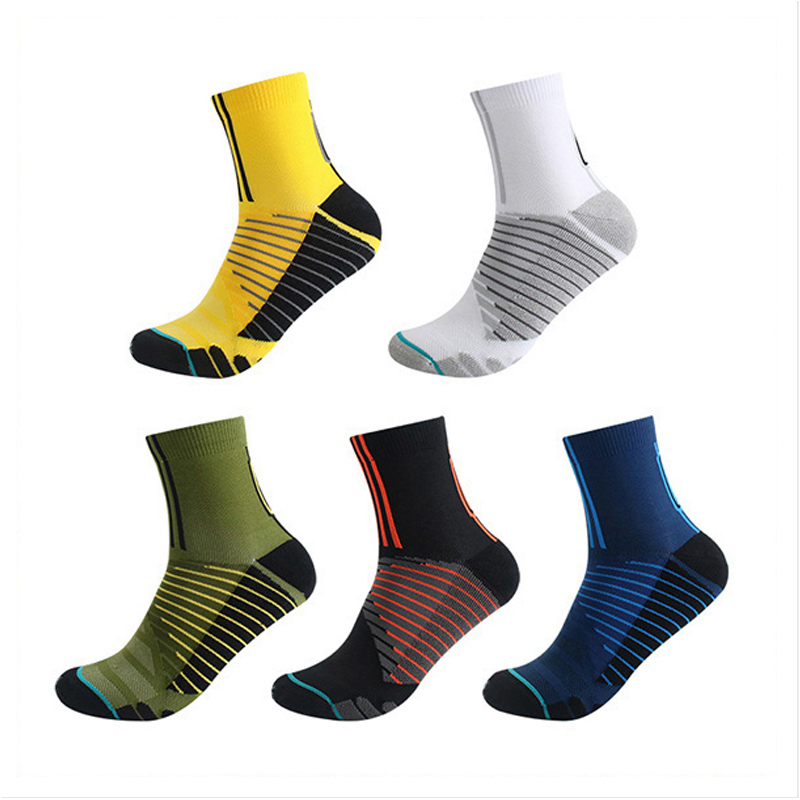
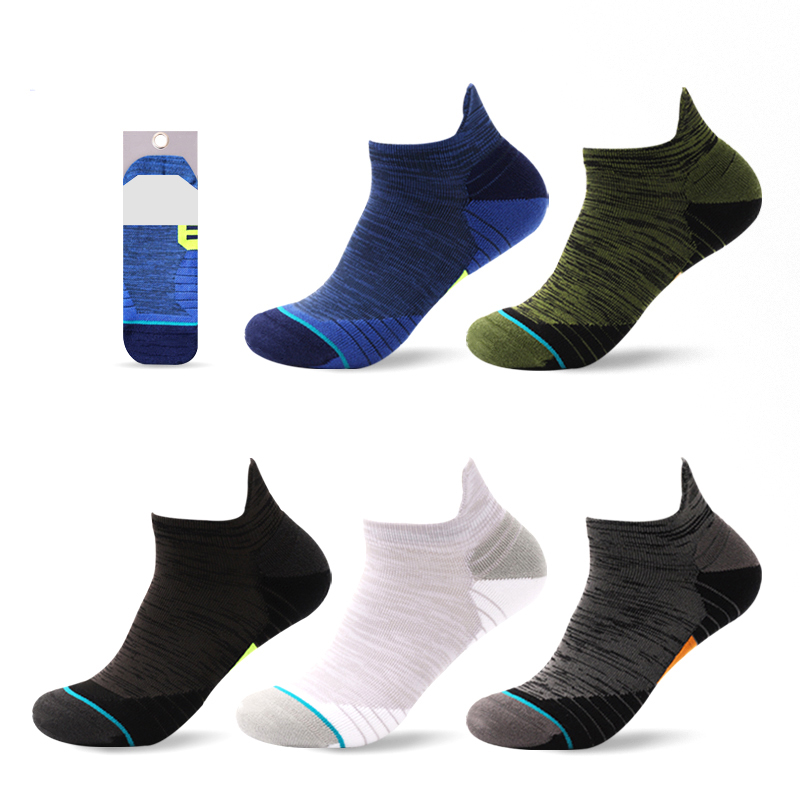
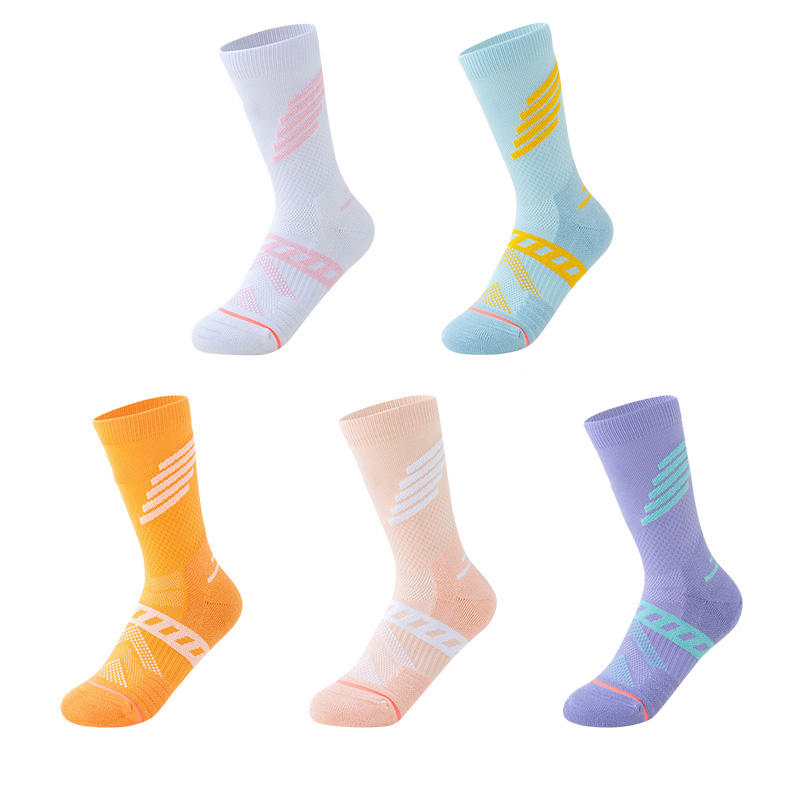
In the field of pet care, paw protection is often overlooked, but with the diversity of indoor home environments and the impact of seasonal climate changes on canine activities, pet socks have become key accessories for improving the quality of life for pets. Whether it is to cope with the lack of friction on smooth indoor floors or to provide basic warmth during the cold season, choosing the correct paw protection equipment requires assessment from three dimensions: material performance, structural design, and safety of use.
Core Materials and Mechanical Properties of Pet Socks
To ensure that pet socks possess good durability and comfort in actual use, the choice of materials is crucial. Industrial-grade fiber fabrics usually adopt high-elastic cotton blends or polyester synthetc fibers, which can provide necessary breathability and prevent sweat accumulation between pet toes.
When evaluating the performance of anti slip dog socks, the core parameter lies in the friction coefficient and the duration of grip maintenance. The following is a technical performance comparison of common anti-slip coating materials:
| Material Type |
Dynamic Friction Coefficient |
Wear Resistance (Cycles) |
Aging Resistance |
| PVC Drip Plastic |
0.65 |
5,000 |
Average |
| Silicone Coating |
0.85 |
12,000 |
Excellent |
| Polyurethane (PU) Coating |
0.78 |
8,000 |
Good |
For dogs that require high stability, silicone coating has become the mainstream choice in the industry due to its high friction coefficient in both dry and slightly damp environments.
The Significant Impact of Structural Design on Pet Socks for Dogs
Excellent design for pet socks for dogs must follow the physiological structure of dogs. The end of a dog's paw is the digital pad, and its pressure distribution is different from that of human feet, so the elastic modulus of the socks must be able to adapt to the expansion and contraction of the paw during movement.
Digital pressure distribution: The front section of the sock should adopt seamless stitching technology to avoid repeated friction of the stitching line against the toes, reducing the risk of dermatitis.
Ankle elastic restraint: Use high-density spandex fiber to weave the sock mouth to ensure uniform pressure distribution, which can both fix the sock body to prevent slipping and not hinder blood circulation.
Joint movement space: The length of the sock body should be set according to the dog's body type to ensure that the carpus is not restricted during crossing or jumping movements.
Analysis of Anti-slip Mechanism of Anti Slip Dog Socks
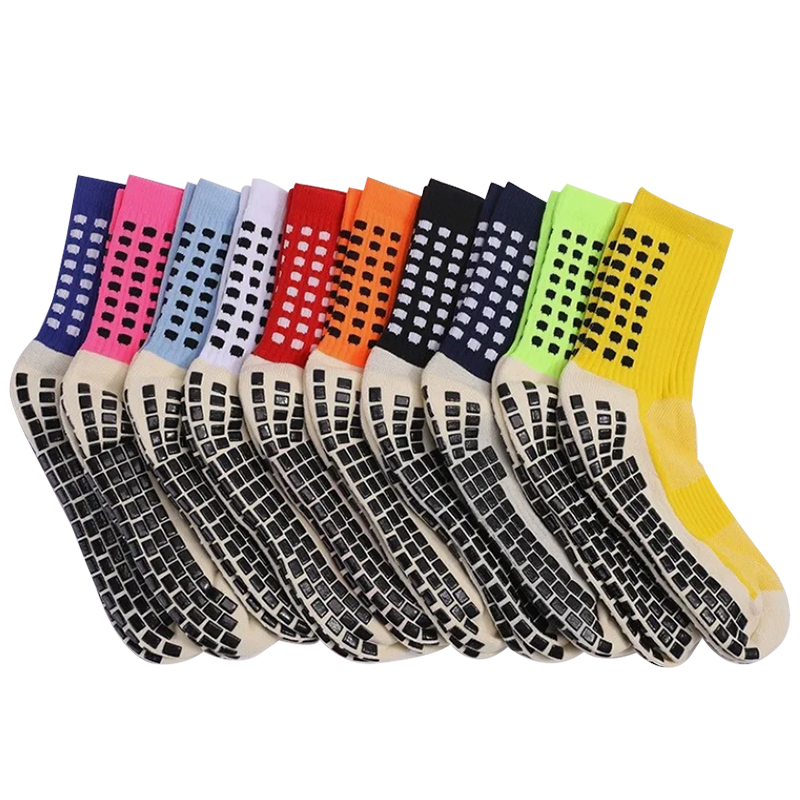
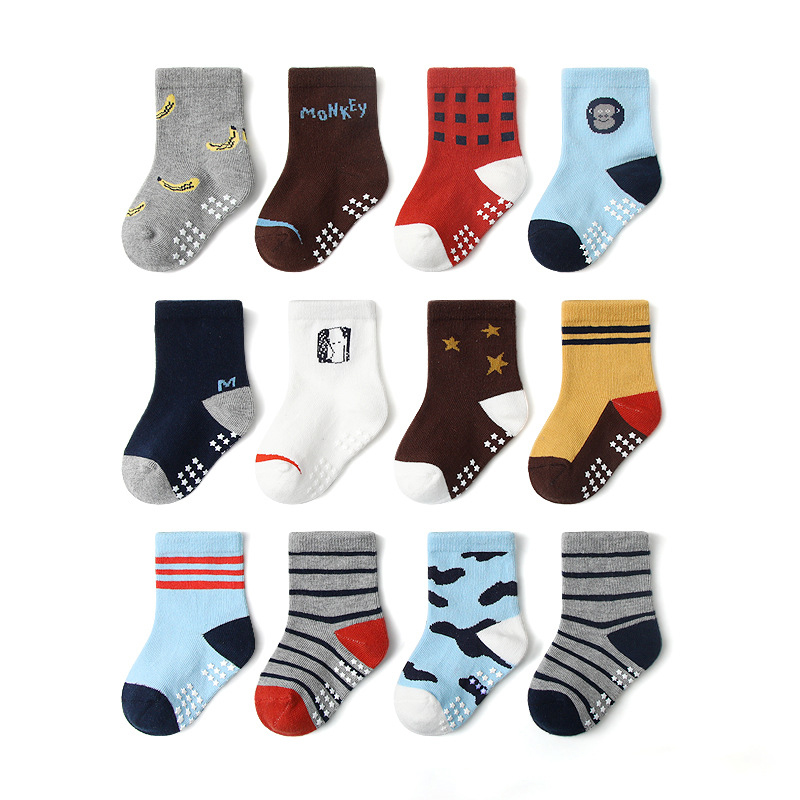
The core technology of anti slip dog socks lies in the geometric distribution of the bottom coating. Experimental data show that arranging the coating in a dot-matrix pattern, rather than covering the entire bottom, can significantly reduce the hardness of the sock bottom, increase the breathable area, and maintain anti-slip performance. On smooth wood, tile, or marble floors, the dot-matrix layout can provide stronger shear resistance by increasing the contact edges, effectively preventing canine joint sprains caused by paw slipping.
Seasonal Protection and Holiday Decoration: The Dual Function of Christmas Stockings for Dogs
During the winter or festive seasons, christmas stockings for dogs are gradually evolving into products with both functional and decorative properties. From a professional perspective, such products must not only meet festive visual requirements, but their knitting density also affects warmth performance. High-gauge knitting technology can effectively stop cold air from penetrating, providing the necessary thermal insulation for dogs. In addition, in the design of such products, attention should be paid to the firmness of decorations (such as sequins and beads) to prevent the risk of accidental ingestion if the pet bites them. All decorative processes must meet industrial safety standards.
Wearing and Maintenance Suggestions
Unlike animal socks for humans, the wearing frequency of canine socks should follow the principle of moderation. Long-term wear will cause humidity between toes to rise, affecting sweat gland excretion. Recommended usage scenarios include:
Indoor activities: For senior dogs or dogs with joint damage, provide extra stability on slippery floors.
Short-term warmth: In extremely cold weather, reduce direct contact between the paws and low-temperature floors to prevent frost cracking of the foot pads.
Medical assistance: Used to prevent dogs from licking paw wounds or to reduce postoperative skin irritation.
In terms of maintenance, pet socks should be washed in warm water regularly, and ensure that the coating area is free of wear. If silicone anti-slip points are found to be falling off or the sock mouth elastic is fatigued, they should be replaced in time to ensure the accurate output of anti-slip functions and avoid walking accidents caused by equipment failure. By choosing high-elastic fabrics and scientific anti-slip designs, pet owners can create a safer and more comfortable indoor activity space for their dogs.

 English
 Español