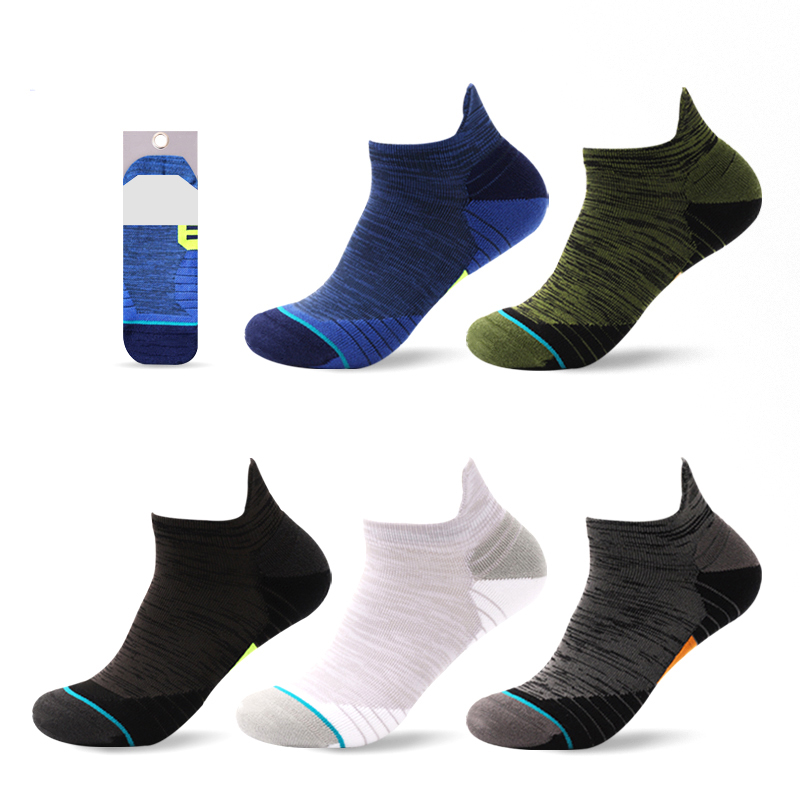
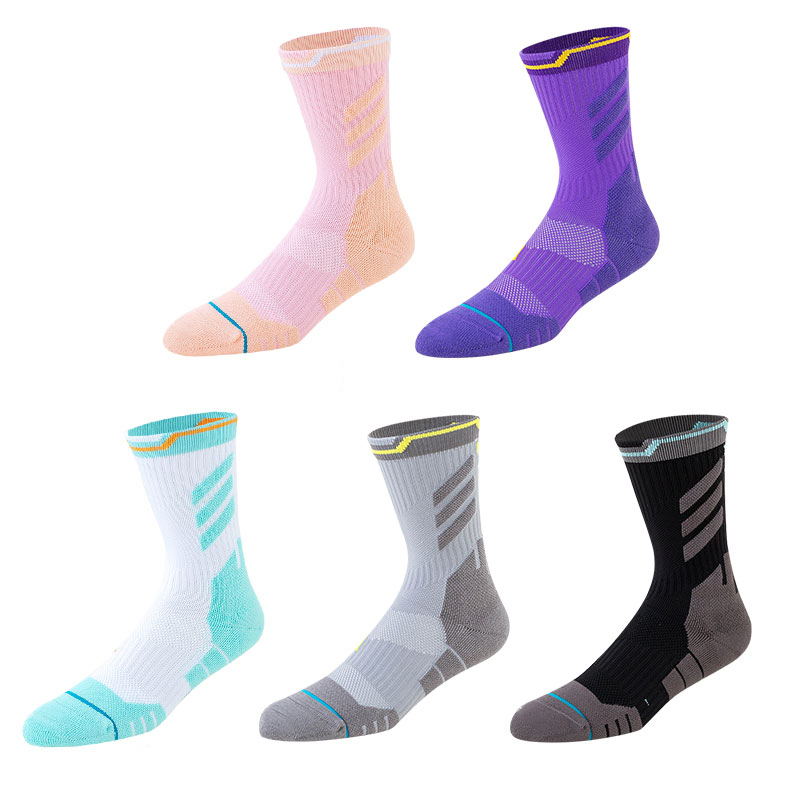
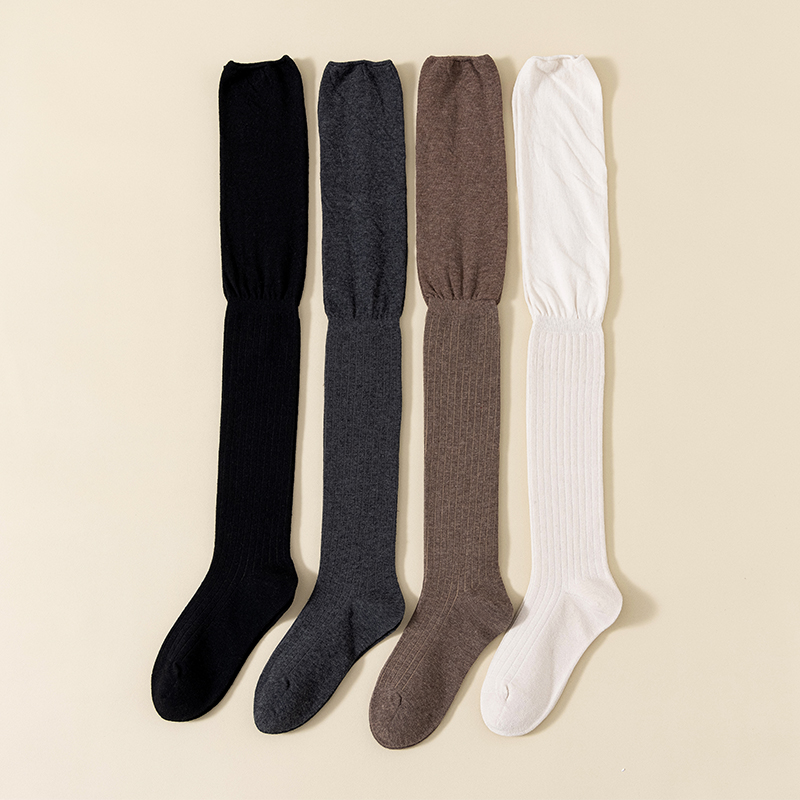
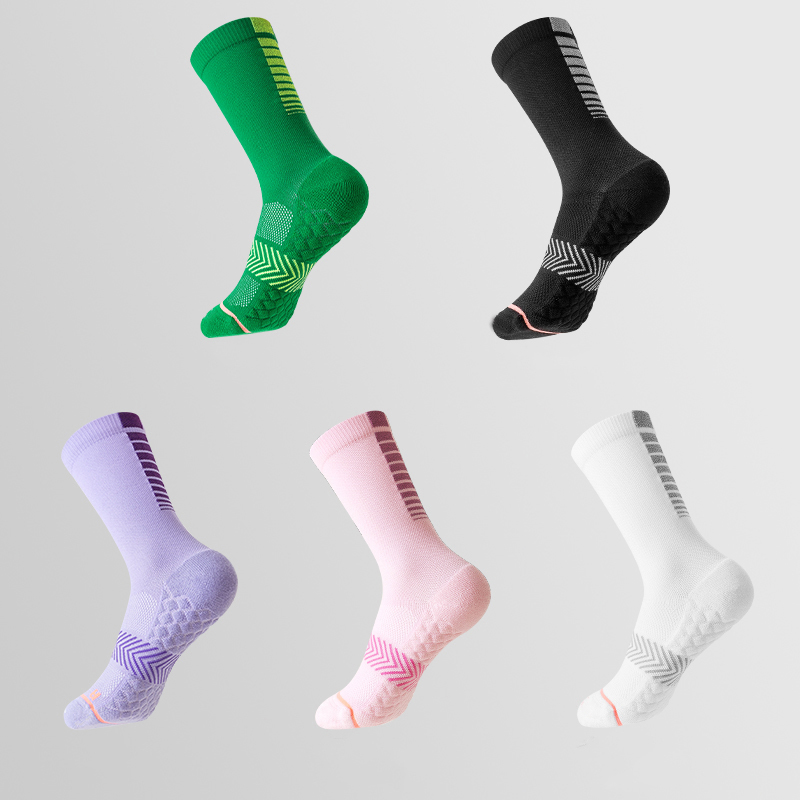
For newborns and infants, foot development is an essential part of overall physical growth. Choosing the right socks is not only for warmth, but also for protecting the skin and foot bones that have not yet fully developed. In the market, there are many types of socks. Whether it is the soft fit of newborn socks or the functional infant wool socks, parents need to master professional evaluation standards when purchasing to ensure product safety, comfort, and functionality.
Material Selection: Starting from Skin Sensitivity
Infants have a fragile skin barrier function, which is easily irritated by friction or chemicals. When choosing baby socks, the fabric should prioritize high-content pure cotton. Pure cotton has good air permeability and hygroscopicity, which can effectively keep feet dry and reduce skin redness caused by sweat immersion.
For cold seasons or outdoor activities, infant wool socks are a better choice. High-quality wool fibers have natural body temperature regulation functions, and their unique scale structure can lock in air, providing excellent thermal insulation without causing excessive stuffiness. When choosing such products, pay attention to the diameter of the wool fiber, which should be below 19.5 microns to avoid itching caused by wool on the delicate skin of infants.
Structural and Safety Assessment
The design core of newborn socks lies in "no pressure." Because newborn feet are in a period of rapid development, the design of the sock opening is crucial.
Sock tightness: It must have excellent elasticity without leaving marks, so as not to affect local blood circulation.
Sock toe stitching: Choose products that use seamless stitching technology to completely eliminate the friction of stitching lines at the toe.
Sock heel design: Good infant socks should have an independent heel design to prevent the socks from shifting during movement, causing local pressure on the feet.
For infant knee socks, in addition to the above requirements, special attention should be paid to the anti-slip design. The closure at the knee should use widened, high-elastic ribbed knitting to ensure that the sock tube does not slip down frequently during baby crawling or activity, causing local constriction.
Function Parameter Comparison of Different Types of Socks
To help parents more scientifically equip infants with socks, the following is a comparison of core parameters of different materials and styles in specific scenarios:
| Type |
Recommended Material |
Main Function |
Applicable Scenario |
| newborn socks |
95% Cotton + 5% Spandex |
Protection, Extreme Softness |
Indoor, Newborn Care |
| baby socks |
Pure Cotton or Combed Cotton |
Absorption, Breathability, Warmth |
Daily Outings, All Seasons |
| infant wool socks |
Merino Wool Blend |
High Insulation, Antibacterial |
Cold Weather, Outdoor Exploration |
| infant knee socks |
High Elastic Cotton Blend |
Knee Protection, Wind-proofing |
Crawling, Walking Aid Phase |
Bulk Purchasing and Color Combination Suggestions
Many parents tend to stock up in the form of pink socks bulk. This purchasing method is convenient, but when dealing with large quantities of socks, it is recommended to prioritize checking the fiber content label of each product to ensure it complies with relevant textile safety standards, such as no fluorescent brighteners and no formaldehyde residues.
In terms of color selection, the tone of pink socks bulk should be based on soft Morandi colors or solid colors. Bright dyes with low color fastness may cause color migration after the infant sweats. If the infant has a habit of sucking on their feet, it may increase the risk of accidental ingestion of dyes. Therefore, professional infant fabrics should choose environmentally friendly reactive dyes to ensure good color fastness after multiple washes.
Washing and Maintenance Precautions
The durability of infant socks often depends on the washing method. It is recommended to use a special neutral infant detergent and avoid chemicals containing strong brighteners or softeners. For infant wool socks, be sure to use low-temperature hand washing or gentle cold water machine washing modes, and lay flat to dry in a cool place. Do not tumble dry at high temperatures or expose to direct sunlight, otherwise it will cause fiber damage and loss of elasticity, thereby losing its original protective function.

 English
 Español