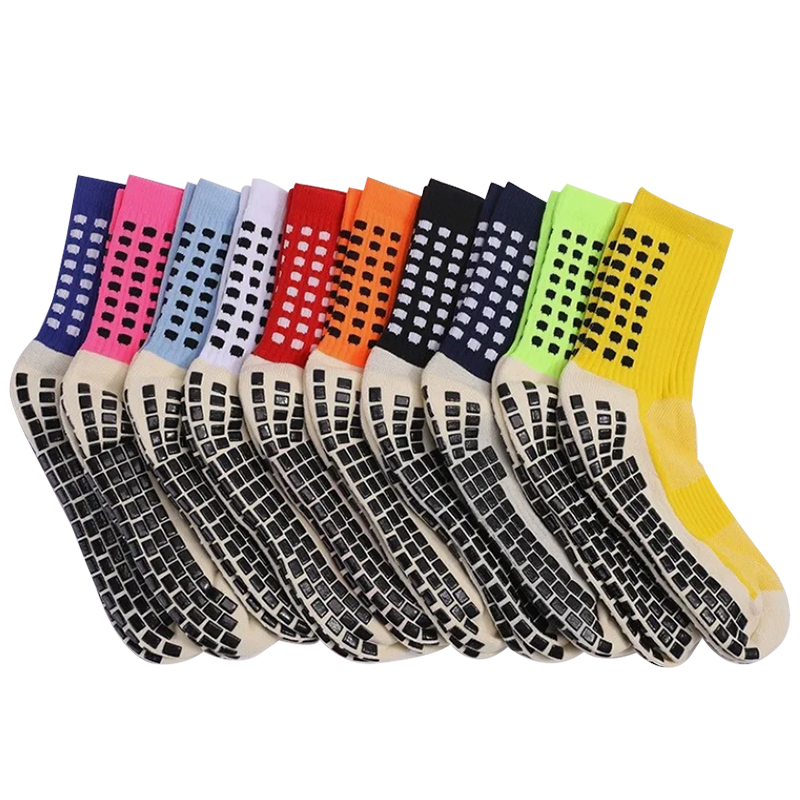
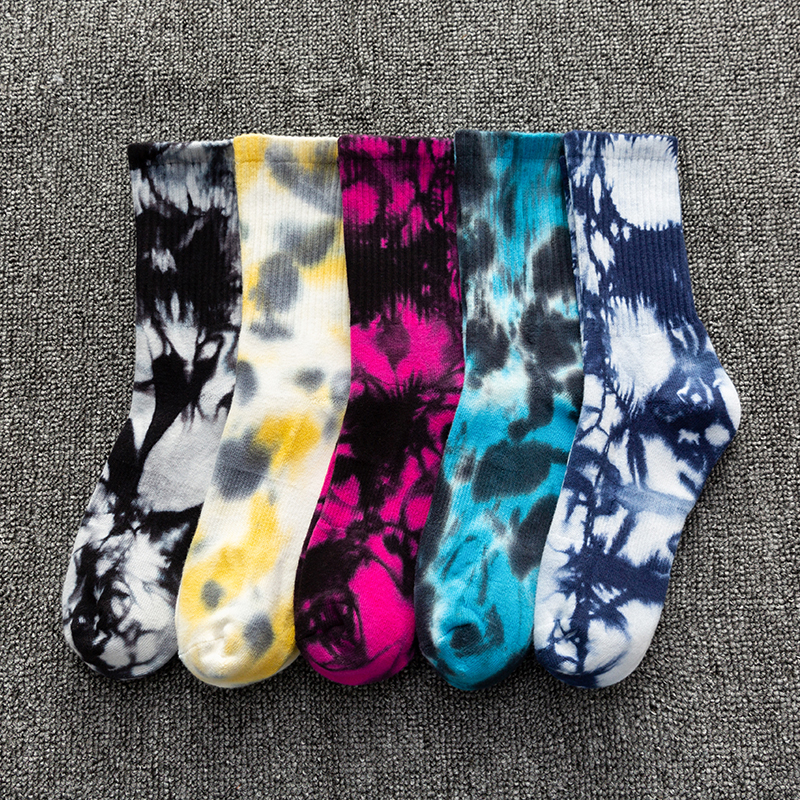
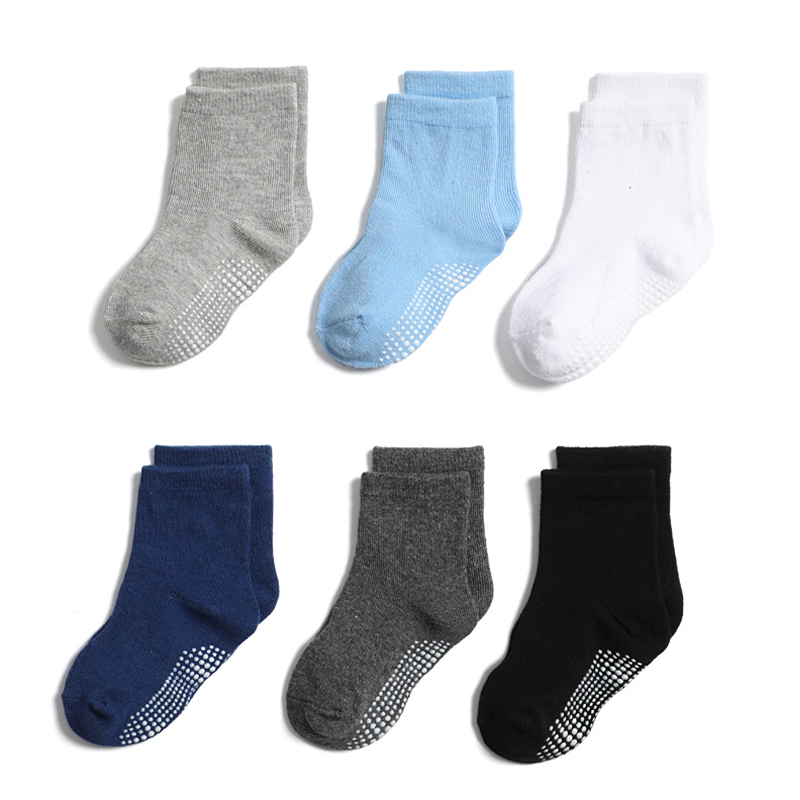
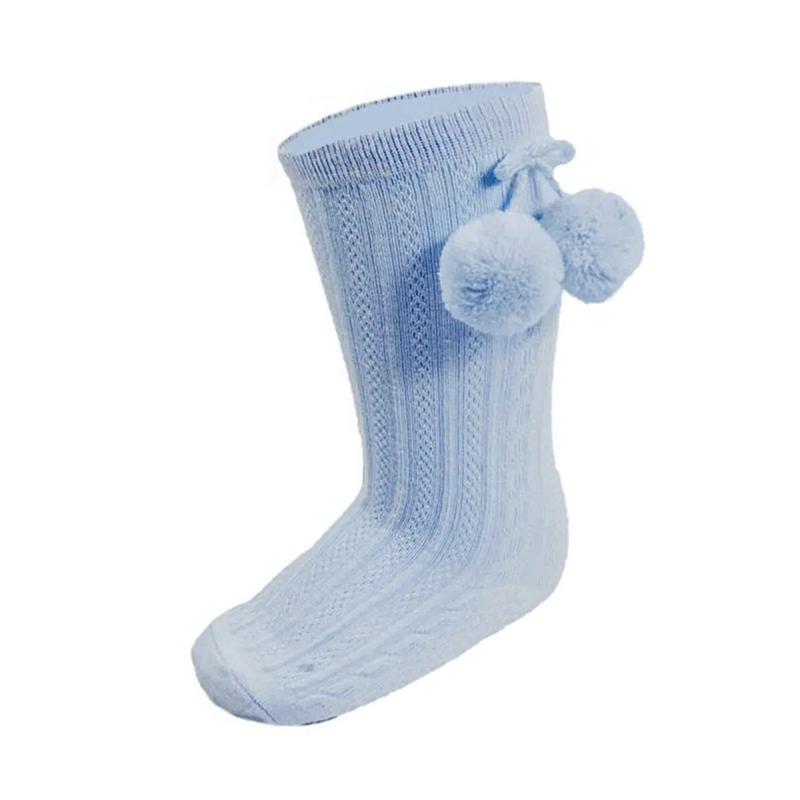
cycling socks play a critical role in cycling equipment systems by directly influencing foot comfort thermal regulation and riding efficiency under different environmental conditions. white cycling socks winter cycling socks waterproof cycling socks wool cycling socks and long cycling socks represent differentiated functional designs developed to meet requirements such as temperature control moisture management compression support and aerodynamic optimization
cycling socks structural function and basic performance definition
cycling socks are generally constructed with high elasticity fiber blends designed to enhance foot stability through localized compression zones. key performance indicators include breathability moisture wicking capacity compression level and abrasion resistance. during long distance cycling cycling socks reduce friction between foot and shoe while limiting heat buildup improving overall riding efficiency
white cycling socks functional positioning and material behavior
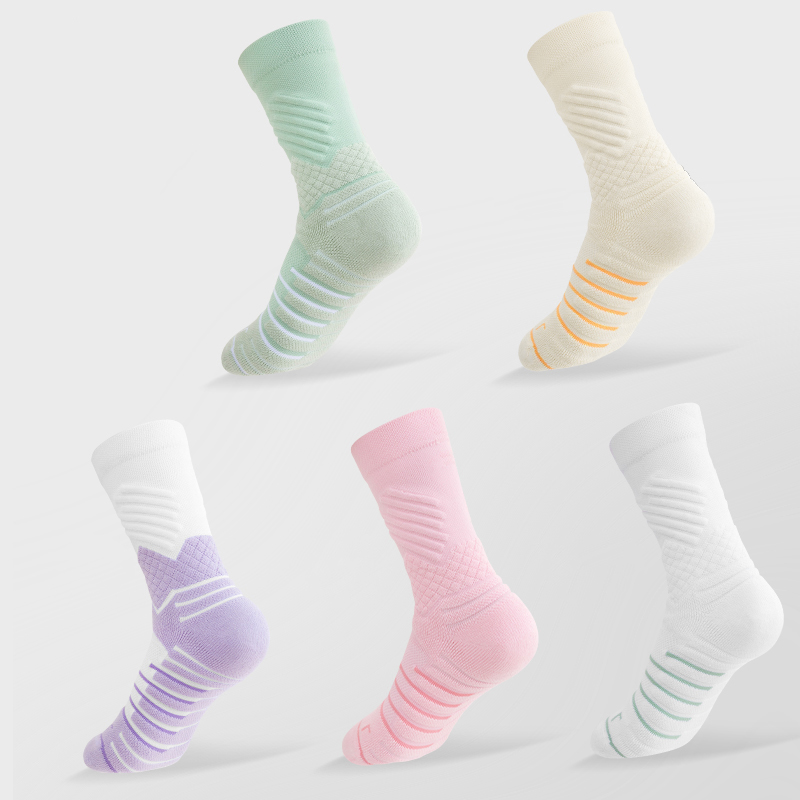
white cycling socks are typically manufactured using polyester and spandex blended fibers providing high elasticity and visual reflectivity. in road cycling environments white cycling socks contribute to improved visibility while also reducing heat absorption due to lighter color properties
performance characteristics of white cycling socks include
heat absorption relatively low under sunlight exposure
breathability high due to lightweight weave structure
maintenance requirement higher in dusty or wet environments
application suitable for general cycling training and road cycling conditions
winter cycling socks thermal regulation mechanism in low temperature environments
winter cycling socks are designed for cold weather cycling conditions and typically use thicker knitted structures combined with fleece lining or thermal fiber layers. their primary function is to maintain foot temperature stability by minimizing heat loss
performance parameters of winter cycling socks
thickness medium to high density structure
thermal insulation strong air trapping capability within layered fibers
moisture management moderate to high sweat absorption preventing damp accumulation
elasticity balanced compression supporting circulation without restricting movement
waterproof cycling socks protective structure and application scenarios
waterproof cycling socks use composite membrane technology combining waterproof outer layers with breathable inner fabrics. the design principle is external water resistance combined with internal moisture vapor transmission
structural features of waterproof cycling socks
waterproof membrane micro porous barrier layer
inner fabric quick drying synthetic fibers
breathability controlled ventilation balance to reduce internal humidity
application rain cycling wet terrain and cold humid environments
wool cycling socks natural fiber thermal regulation characteristics
wool cycling socks use natural wool fibers with inherent temperature regulation capability. the fiber structure traps air pockets allowing stable thermal performance in both cold and warm conditions
functional characteristics of wool cycling socks
thermal retention high due to natural insulation structure
moisture absorption high capable of absorbing significant moisture without losing insulation performance
odor resistance strong due to natural antibacterial properties
application multi temperature fluctuating cycling environments
long cycling socks compression support and aerodynamic contribution
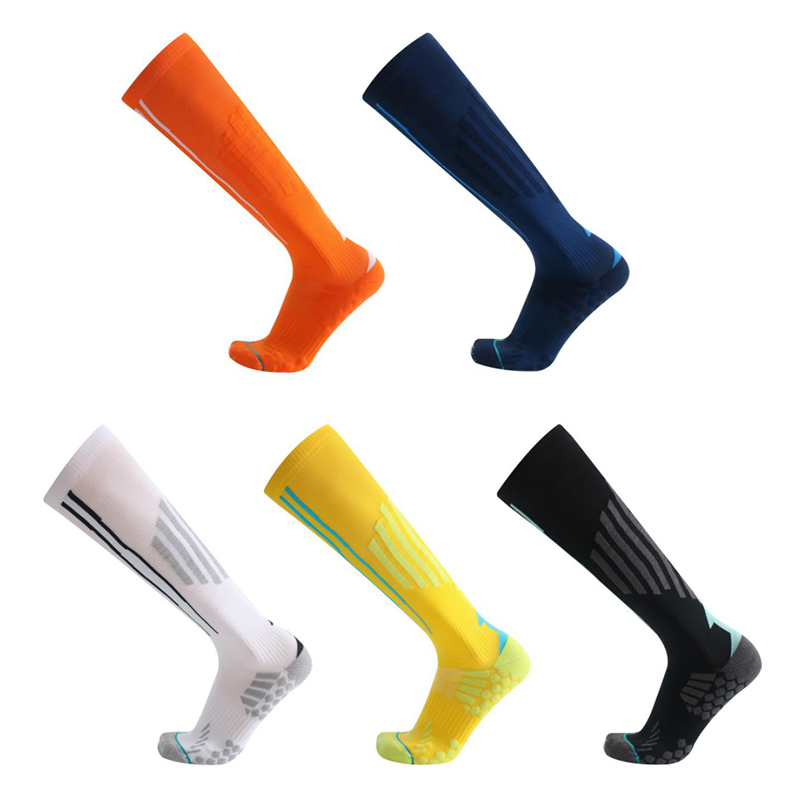
long cycling socks extend above the ankle to cover part of the calf region providing enhanced compression support and improved aerodynamic efficiency by reducing airflow turbulence around the lower leg
structural advantages of long cycling socks
compression support improves muscle stabilization during prolonged cycling
aerodynamic efficiency reduces wind resistance along calf surface
coverage extended protection for lower leg skin reducing abrasion risk
fatigue control supports endurance performance in long distance cycling
performance comparison of cycling socks types
| type |
thermal insulation |
breathability |
water resistance |
compression support |
application environment |
| white cycling socks |
medium |
high |
low |
medium |
daily cycling |
| winter cycling socks |
high |
medium |
low |
medium to high |
cold weather cycling |
| waterproof cycling socks |
medium |
medium to low |
high |
medium |
rain and wet terrain |
| wool cycling socks |
high |
medium to high |
medium |
medium |
variable climate cycling |
| long cycling socks |
medium |
high |
low |
high |
long distance cycling |

 English
 Español