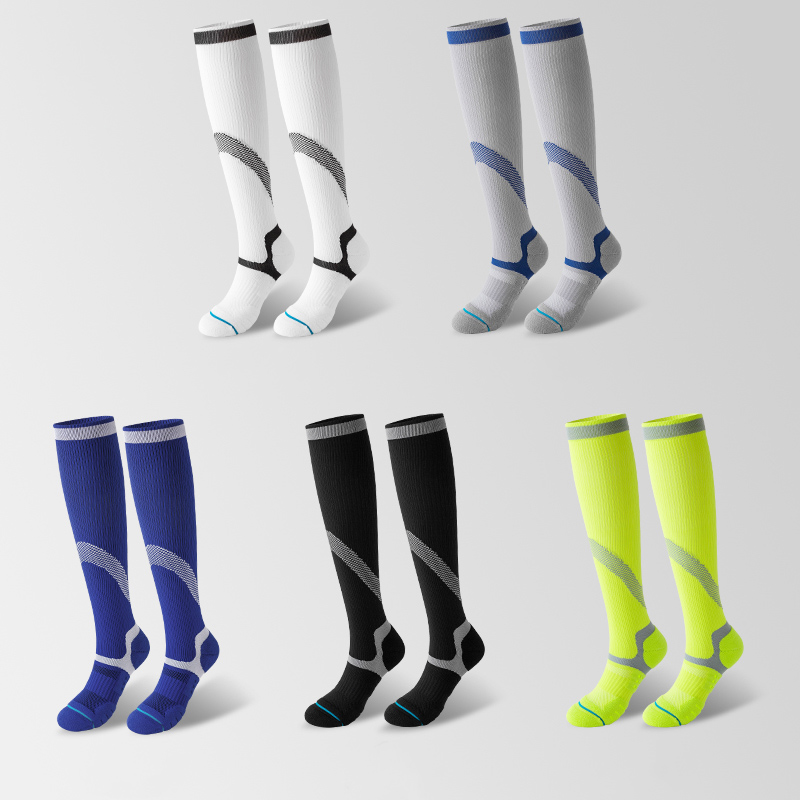
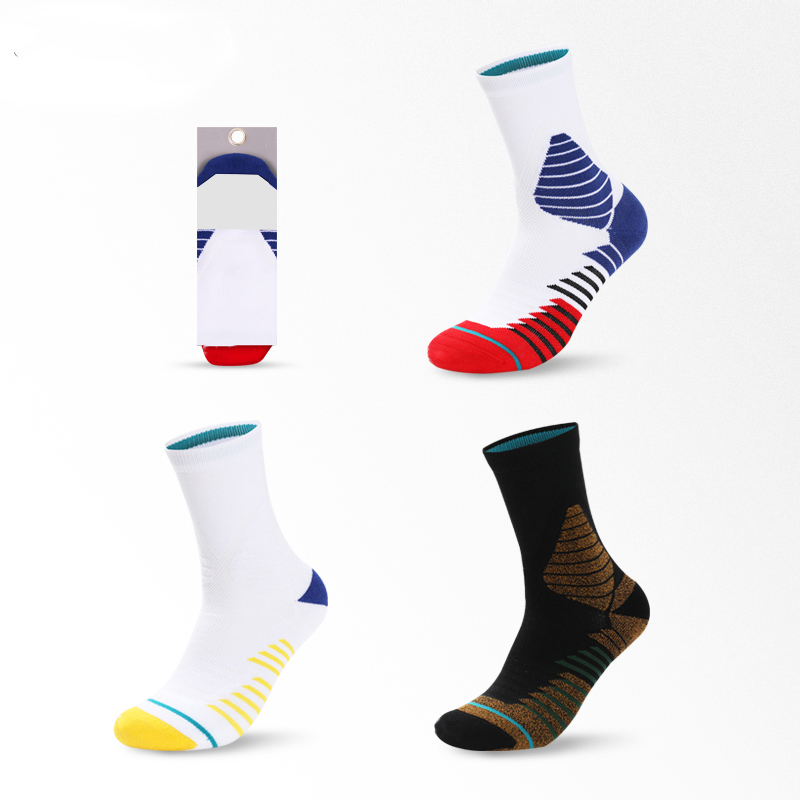
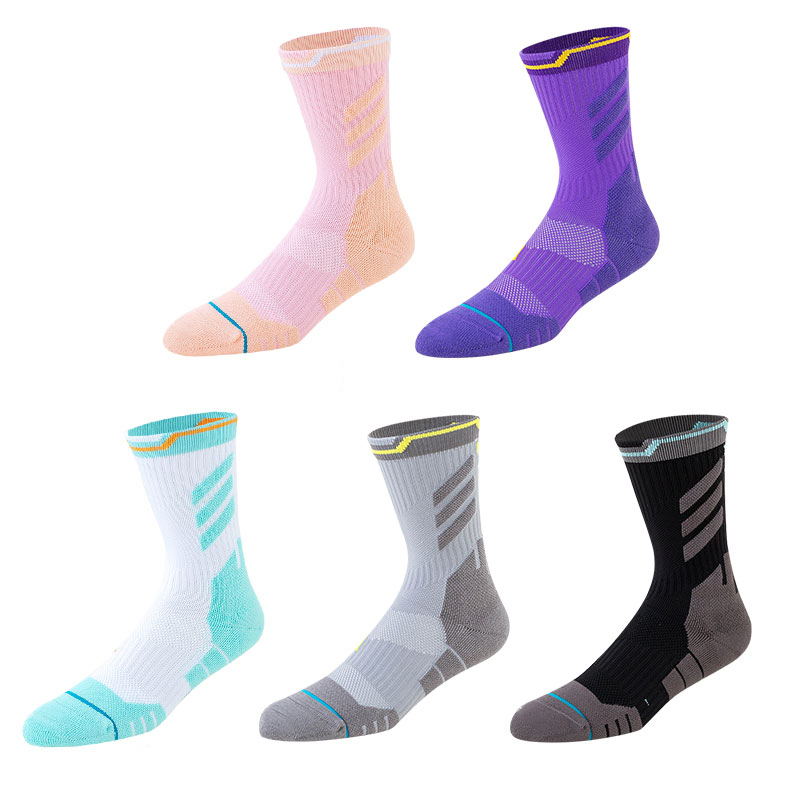
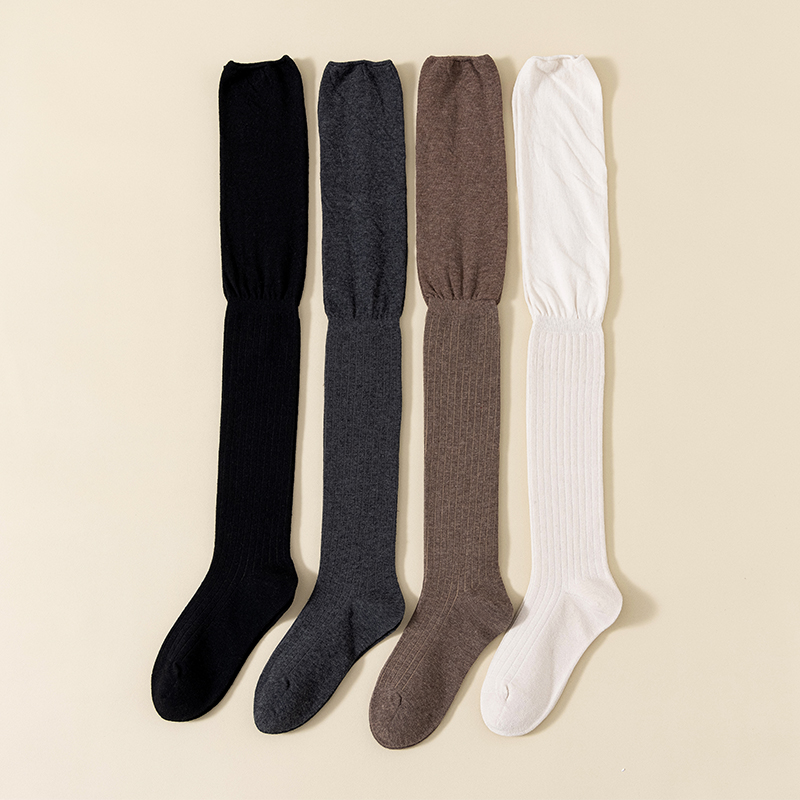
Yoga combines physical movement, breathing, and mental focus, placing high demands on foot flexibility and stability. As yoga continues to grow in popularity, toe socks have become increasingly favored by fitness enthusiasts. Compared to traditional full-foot socks, toe socks offer multiple advantages in comfort, functionality, and foot health.
Enhanced Foot Flexibility and Toe Independence
Toe socks are designed to wrap each toe individually, allowing natural movement and separation. This design significantly improves foot flexibility during yoga practice, enabling toes to grip and stretch more effectively. Traditional full-foot socks restrict toe movement, reducing grip and precision. In balance poses and standing postures, toe socks provide natural support, helping practitioners maintain stability and reduce the risk of falling.
Improved Balance and Traction
Toe socks often feature anti-slip patterns or silicone grips on the sole, increasing friction with the yoga mat. Combined with independent toe movement, this design enhances stability in poses such as Warrior or Tree. Every toe participates in grounding, providing superior traction compared to traditional socks and reducing slips during advanced movements.
Better Circulation and Foot Health
The separation of toes in toe socks creates space between them, promoting better blood circulation. Proper circulation reduces foot fatigue and prevents swelling or numbness during long sessions. Full-foot socks can constrict toes, limiting blood flow and potentially affecting foot health over time.
Reduced Friction and Blister Prevention
Dynamic yoga or high-intensity exercises can cause friction between toes, leading to blisters. Toe socks wrap each toe individually, minimizing friction. Reduced skin contact lowers the risk of blisters, calluses, and discomfort. Full-foot socks increase friction, especially when feet become sweaty, making foot injuries more likely.
Enhanced Sensory Feedback and Control
Toe socks closely fit the foot’s contours, allowing each toe to feel the mat directly. Enhanced tactile perception improves control and fine-tuning of poses, boosting body awareness. Direct contact with the ground improves balance feedback, resulting in smoother and more precise movements. Traditional full-foot socks may dull sensory perception and reduce fine motor control.
Hygiene and Comfort
Toe socks often use moisture-wicking and breathable fabrics, keeping feet dry and preventing bacterial or fungal infections. Individual toe coverage allows better airflow, reducing odor and skin irritation. In public studios or group classes, toe socks provide both comfort and hygiene. Full-foot socks tend to trap sweat between toes, increasing bacterial growth risk.
Suitable for Various Yoga Styles
Toe socks are suitable for many types of yoga, including Hatha, Vinyasa, Hot Yoga, and Power Yoga. Independent toe movement provides extra support during challenging poses, twists, and inversions while allowing full stretch and grip. Traditional full-foot socks can restrict foot movement, potentially reducing the effectiveness of intense practice.

 English
 Español