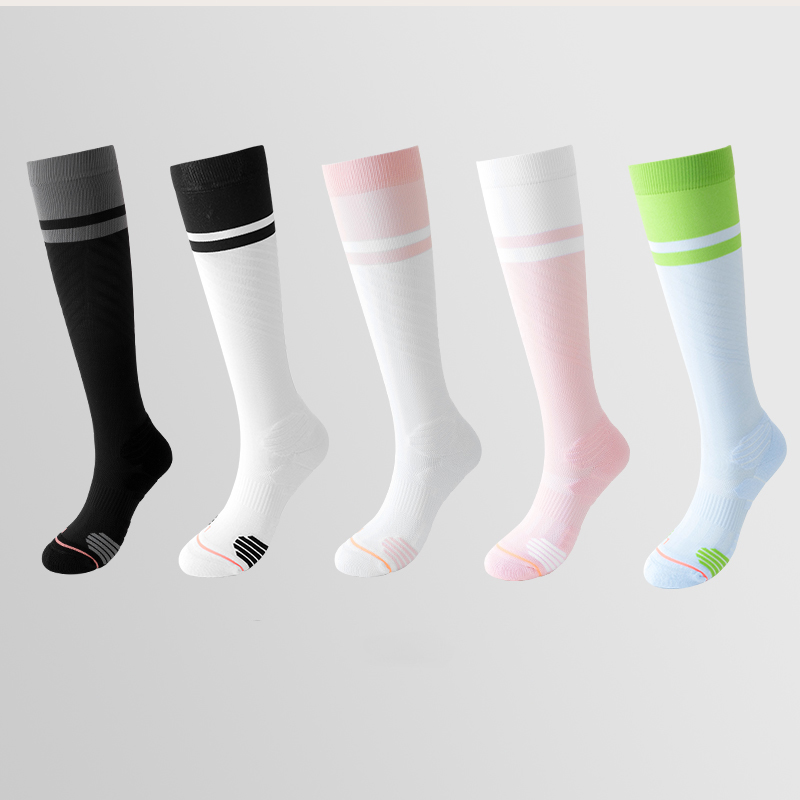
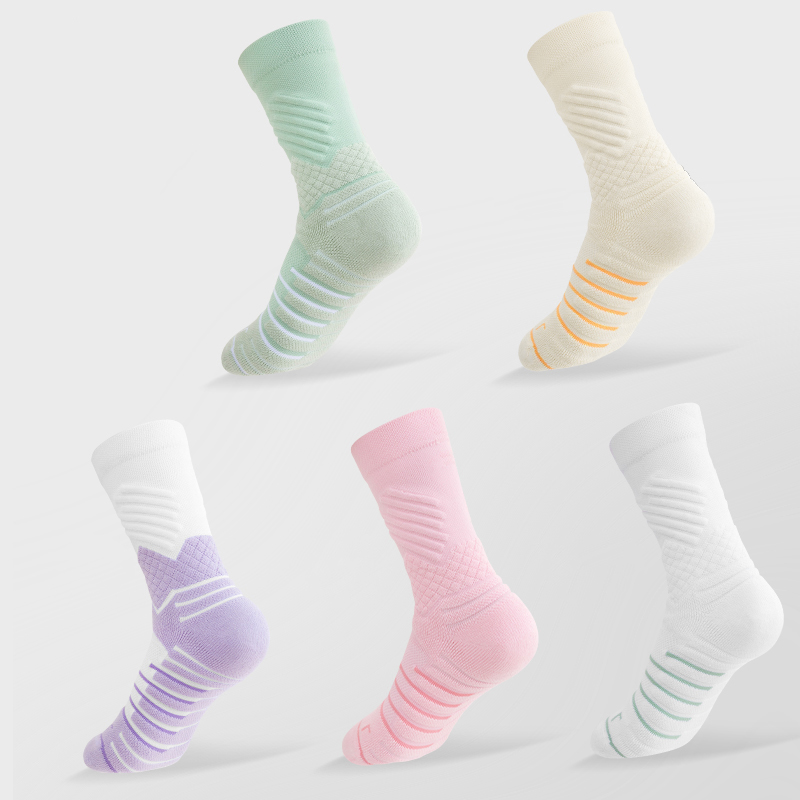
Terry thermal socks, known for their exceptional warmth retention, are a favorite among outdoor enthusiasts and residents in cold climates. However, beyond their thermal insulation, the anti-slip design of these socks plays a critical role in enhancing both comfort and safety. In high-intensity activities such as skiing, hiking, and mountaineering, the anti-slip functionality of socks significantly contributes to the stability and overall safety of the wearer. This article will delve into the special features of Terry thermal socks' anti-slip design and the technology behind it.
The Core Function of Anti-Slip Design
The anti-slip design of Terry thermal socks is primarily intended to reduce foot instability caused by slipping, particularly on icy, wet, or uneven terrains. Typically, anti-slip features are integrated into the sock through the addition of anti-slip particles, silicone, or rubber coatings on the sole. These modifications enhance friction, ensuring a more secure fit between the sock and the foot, thereby offering better stability during various activities.
1. Application of Anti-Slip Particles
Anti-slip particles are one of the most commonly used features in the design of Terry thermal socks. These particles are typically made from highly elastic polyurethane, silicone, or rubber and are evenly distributed across the sole of the sock. By increasing the friction, these particles effectively prevent the sock from sliding on the foot, providing secure support. Whether worn during everyday walking or high-intensity activities, anti-slip particles ensure a firm grip between the sock and the foot.
2. Silicone Anti-Slip Strips
Silicone anti-slip strips are often applied to key areas such as the heel, arch, and toe regions of Terry thermal socks. These strip-like silicone coatings form a strong frictional bond with the inside of the shoe, preventing slippage. Silicone offers unique advantages over traditional rubber anti-slip designs because it provides better grip, resists deformation over time, and remains flexible and comfortable. As a result, silicone anti-slip strips can adapt to the foot's movements, offering a more comfortable and stable fit.
3. Full-Sole Anti-Slip Coating
Some high-end Terry thermal socks feature a full-sole anti-slip coating, where the entire bottom surface of the sock is coated with a layer of anti-slip material, usually made from elastic rubber or synthetic polymers. This design not only improves the sock’s grip but also ensures the stability of the foot on slippery surfaces such as ski boards, ice, or wet ground. The full-sole coating evenly distributes friction across the sock, minimizing the risk of slippage and enhancing the wearer’s safety during outdoor activities.
Anti-Slip Design Tailored to Different Sports Scenarios
The anti-slip design of Terry thermal socks is not just about providing friction; it must also be adapted to specific sports and environments to ensure optimal performance. Whether for indoor activities or extreme outdoor sports, the anti-slip features are designed to meet the unique needs of each scenario, ensuring the best possible grip and stability in diverse conditions.
1. Skiing and Snow Environments
Stability is crucial when skiing, especially when the feet are subjected to pressure from ski boots and frequent motion. In such environments, the anti-slip design of Terry thermal socks needs to be optimized for snow and ice conditions. Anti-slip particles or silicone strips are usually concentrated in the heel area to prevent foot slippage within the ski boots. This targeted design helps maintain foot stability, enabling better control during skiing, even on slippery snow-covered surfaces.
2. Mountaineering and Hiking
For activities like mountaineering or hiking, socks’ anti-slip design must accommodate not only wet surfaces but also uneven and rocky terrains. The anti-slip particles in Terry thermal socks are often more densely packed around the ball of the foot and heel, areas that endure more stress during hiking and climbing. As the foot undergoes constant shifts in pressure, these anti-slip features provide a stable footing, reducing the risk of slippage on steep or uneven ground and ensuring a more secure walking experience.
3. Everyday Use and Safety
Even in everyday settings, the anti-slip design of Terry thermal socks can significantly improve safety. For elderly individuals or those with limited mobility, the anti-slip features reduce the risk of falls, especially in slippery environments like bathrooms or kitchens. Anti-slip particles or silicone strips help provide a solid grip on tiled or wooden floors, giving users more confidence when walking and minimizing the likelihood of accidents in their home.
Durability and Comfort of Anti-Slip Design
The anti-slip design of Terry thermal socks not only needs to provide functionality but also ensure comfort and long-lasting durability. High-quality materials used in the anti-slip features ensure that the socks retain their functionality over time without compromising comfort. Additionally, the integration of anti-slip particles and silicone strips is often designed in harmony with the sock’s overall weave structure, ensuring that the socks remain soft and comfortable to wear, even during extended periods of activity.
1. Durability of Anti-Slip Features
Durability is a key factor in the performance of any anti-slip design. Premium anti-slip materials like silicone and rubber are designed to resist wear and tear, ensuring that the sock’s frictional properties do not degrade over time. Unlike traditional rubber, silicone anti-slip features do not harden or lose their grip after repeated use, maintaining their effectiveness through multiple wash cycles. As a result, Terry thermal socks with high-quality anti-slip designs offer long-term reliability and consistent performance in various outdoor and indoor activities.
2. Comfort Without Compromise
Despite the added anti-slip features, the overall comfort of the sock remains paramount. The placement of anti-slip materials is strategically designed to minimize any discomfort. Since these features are integrated into specific areas like the sole or heel, they do not cause any pressure points or irritation on the foot. This thoughtful design ensures that wearers can enjoy both the warmth and the anti-slip benefits without sacrificing comfort.

 English
 Español