What are mid-high socks called? From Retro Tube Socks to Modern Crew Socks
Redefining Mid-High Socks: Multiple Identities
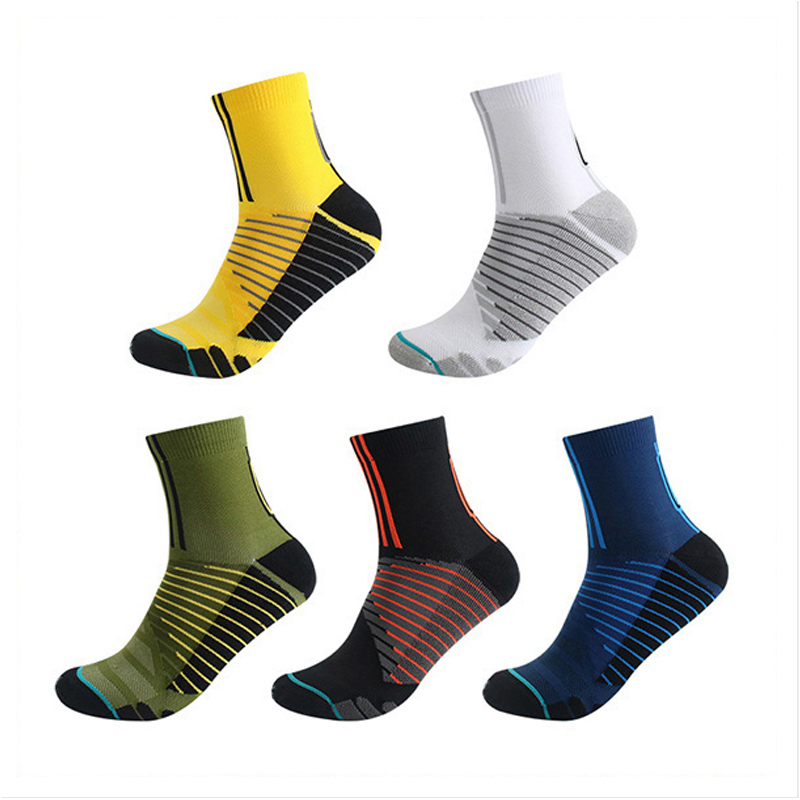
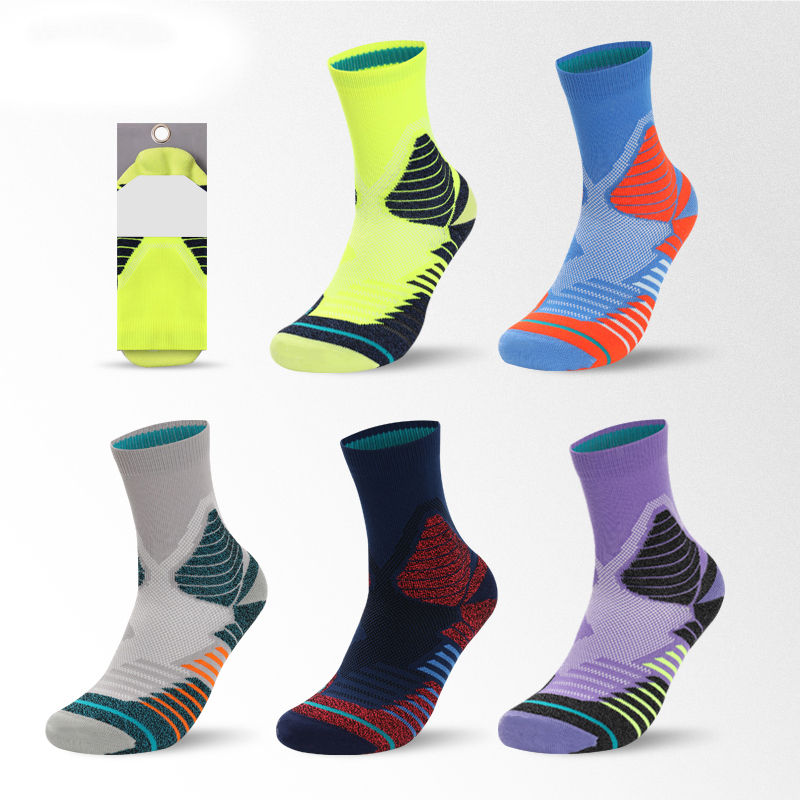
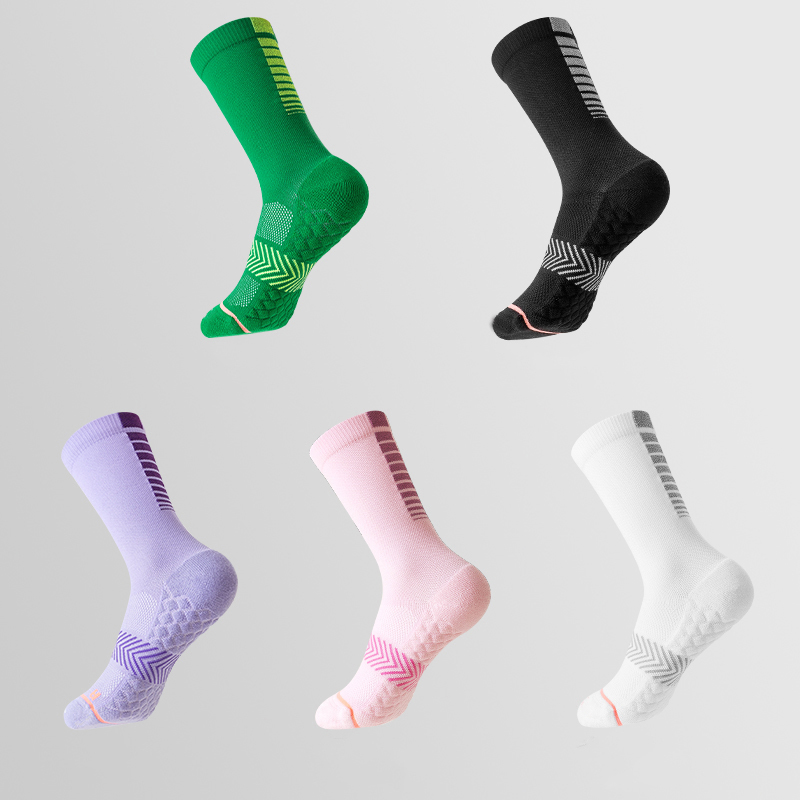
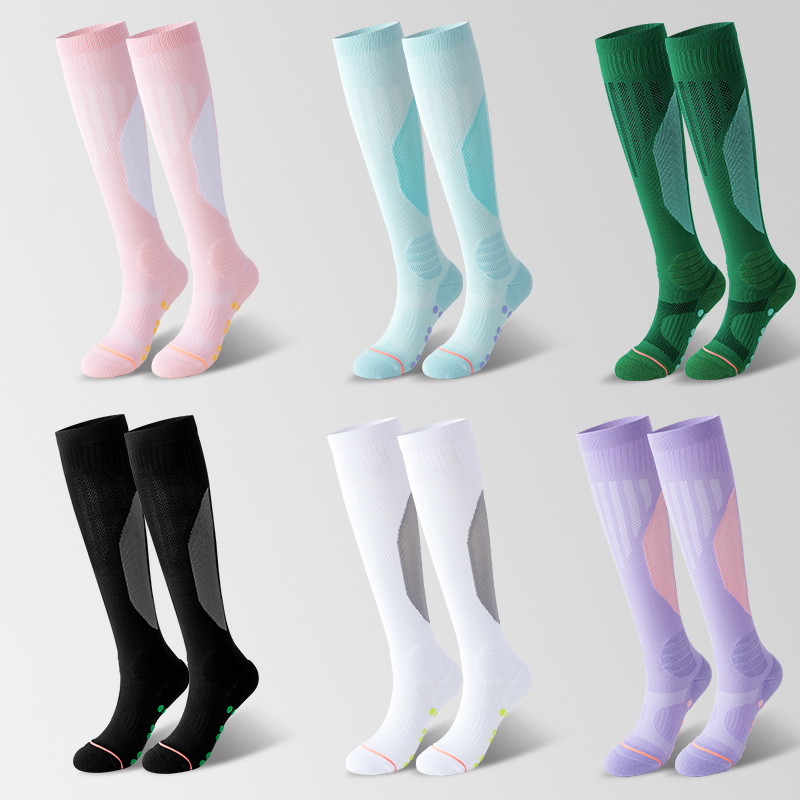
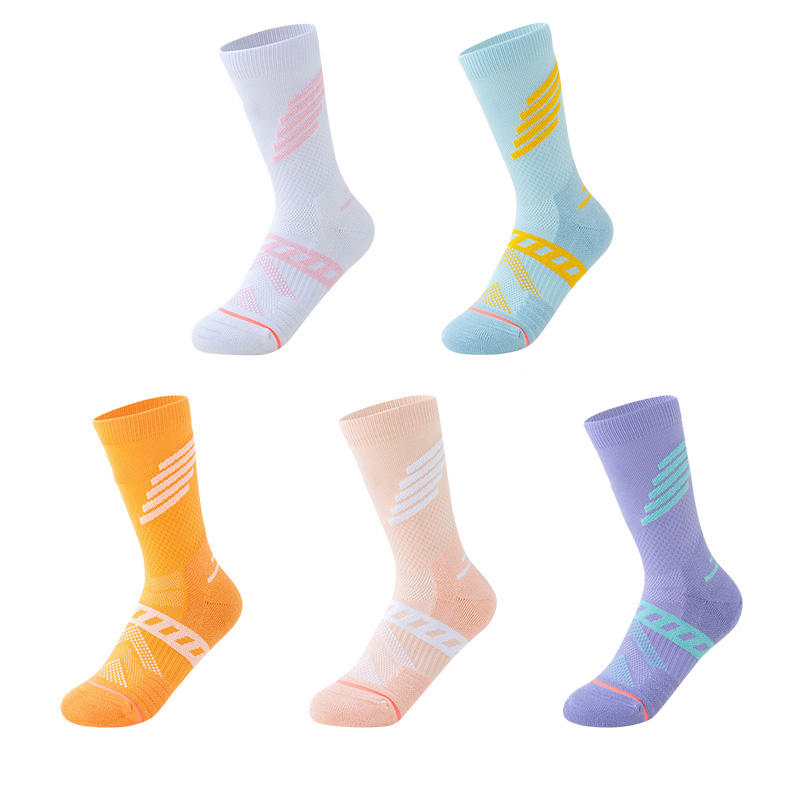
What are mid-high socks called? In the international apparel vocabulary, these socks that sit above the ankle and below the knee are most commonly referred to as Crew Socks. However, with the resurgence of vintage trends, more designers and consumers are calling them Middle Tube Socks.
The core feature of these socks lies in their "golden length." They typically cover the starting portion of the calf muscle, with a tube height generally between 15 cm and 22 cm. This height is not arbitrary; it is based on a balance of ergonomics and visual aesthetics, providing enough support without the excessive pressure often found in over-the-calf socks.
Structural Characteristics of Middle Tube Socks
Modern Middle Tube Socks have evolved from the simple heel-less bucket shapes of the past into items with precise engineering:
Plantar Support Zone: Increased fabric density to relieve fatigue during long periods of standing.
Ribbed Cuff: High-elasticity fibers ensure the socks do not slide down during movement and do not constrict the leg.
Breathable Mesh: Sparse knitting on the instep to improve heat dissipation efficiency.
The Science of Visual Length
From a visual proportion perspective, Middle Tube Socks can effectively modify the appearance of the leg. For those wearing athletic shorts, this length breaks the monotony of the leg line. For those in long pants, they ensure that no skin is exposed when sitting or crossing legs, maintaining a professional and polished appearance.
Terminology Evolution: What are tube socks called now?
What are tube socks called now? In the 1960s and 1970s, Tube Socks were literally tubes—they had no knitted heel, were identical on both sides, and relied entirely on the stretch of the material to fit the foot.
In today's market, this primitive naming is being replaced by more functional and stylized terms:
Retro Sport Socks: Modern versions retain the classic look of tube socks, especially the colored stripes at the top, but incorporate ergonomically knitted heels.
Crew Socks: This is the most universal term in retail today, emphasizing the standard length specification.
Athletic Ribbed Socks: This highlights the distinct vertical ribbed texture on the surface, which provides lateral compression and support in addition to its aesthetic appeal.
Technical Differences in Evolution
To clearly show the difference between traditional Tube Socks and modern derivatives like Middle Tube Socks, refer to the following parameter comparison:
| Dimension |
Traditional Tube Socks (1970s) |
Modern Middle Tube Socks (Today) |
| Heel Design |
None (Straight tube) |
Y-Stitched (3D Heel) |
| Left/Right Distinction |
None |
Some styles offer R/L distinction |
| Primary Material |
Acrylic / Coarse Cotton |
Combed Cotton / Merino Wool / Spandex blends |
| Slip Resistance |
Relies on overall tightness |
Relies on graduated compression ribbing |
| Comfort |
Prone to bunching at the ankle |
Contours to the foot, smooth and seamless |
Functional Return: What is the point of tube socks?
Many ask why this vintage style remains dominant when no-show and ankle socks are so prevalent. What is the point of tube socks? The core significance lies in the deep integration of functionality and cultural symbolism.
Physical Protection and Athletic Support
Mid-high socks were originally designed to protect athletes. During high-intensity sports like skateboarding or basketball, thick Middle Tube Socks provide a layer of cushioning for the ankle and lower leg. They prevent the edge of a skateboard from hitting the bone and protect the skin from blisters caused by stiff shoe collars.
Temperature Control and Moisture Wicking
Due to their larger surface area, mid-high socks have a natural advantage in regulating body temperature. In cold environments, they lock in heat around the calf. In athletic scenarios, modern materials can wick sweat upward away from the foot to evaporate, preventing sweat from flowing back into the shoe.
Cultural Symbolism and Trend Signals
Beyond physical function, Tube Socks represent cultural identity, particularly the 1970s California street culture.
Skate Culture: Long socks with sneakers are a timeless classic, representing rebellion and freedom.
Preppy Style: White mid-high socks with dark stripes convey a clean, disciplined athletic vibe.
Streetwear: In modern fashion, socks are viewed as a second skin, where colors and patterns serve as a window for personal expression.
In-Depth Analysis: Materials and Craftsmanship
The high-quality feel of Middle Tube Socks is hidden in microscopic knitting techniques. Modern versions are no longer simple fabric tubes but products of complex pressure and material engineering.
The Physical Mystery of Ribbing
Why do most Middle Tube Socks feature vertical ribbing? It is not just for vintage aesthetics.
Elasticity Compensation: Ribbing is essentially an expandable folded knit. When calf muscles expand during exercise, the ribs provide lateral stretch without digging into the skin.
Prevention of Sliding: Vertical lines increase the friction coefficient between the sock, skin, and pants. Combined with a high-density elastic cuff, this solves the common problem of traditional Tube Socks bunching at the ankle.
Core Craftsmanship Comparison: Standard Socks vs. High-Performance Middle Tube Socks
| Craft Dimension |
Mass-Market Standard Socks |
High-Performance Middle Tube Socks |
| Needle Count |
96 - 144 needles (Coarse) |
168 - 200 needles (Fine, Durable) |
| Toe Closing |
Machine sewn (Visible seam) |
Linked toe (Flat, Seamless) |
| Sole Treatment |
Single layer flat knit |
Full or half terry (Cushioned Sole) |
| Blend Ratio |
100% Cotton (Deforms easily) |
75-80% Combed Cotton + 15-20% Nylon + 5% Spandex |
The Importance of the Cushioned Sole
When discussing What are tube socks called now?, professional sports circles often call them Cushioned Crew. These socks feature dense loops on the sole that provide a carpet-like buffer. This not only absorbs foot sweat but also significantly reduces the impact on the plantar fascia during jumping and running.
Styling Aesthetics: Mastering Length and Style
Middle Tube Socks are widely recognized as a universal adjuster in the fashion world, capable of instantly changing the tone of an outfit.
Old School Americana
This is a tribute to the classic Tube Socks.
Key Pairing: White base with two or three colored stripes at the top (typically red/blue or black/white).
Bottoms: Athletic shorts that sit above the knee.
Visual Effect: Projects a sunny, healthy 1970s athletic vibe.
Smart Casual
Between a suit and loafers, Middle Tube Socks act as a sophisticated transition.
Key Pairing: Solid colors (charcoal, navy, oatmeal) or fine flat knits.
Critical Point: The tube must be long enough to ensure that when sitting, the sock covers the leg entirely, showing neat fabric rather than bare skin.
Streetwear and Techwear
Key Pairing: Monochromatic black and white, or bold geometric patterns and embroidered logos.
Method: Tucking joggers into the socks. This emphasizes the ankle line and is a signature visual symbol in street trends.
FAQ: User Concerns and Knowledge
Q: Why do my mid-high socks get stiff after a few washes?
A: This is usually due to hard water or detergent residue. It is recommended to use neutral detergents and air dry rather than using high-heat dryers. Heat and chemical residue cause cotton fibers to lose their natural elasticity.
Q: Is there a big difference between Combed Cotton and regular cotton for these socks?
A: Yes, the difference is significant. Combed cotton removes short impurities, making the Middle Tube Socks smoother, more pilling-resistant, and more breathable. For long socks, combed cotton significantly reduces the likelihood of skin itchiness on the calves.
Q: Do Middle Tube Socks make your legs look short?
A: This is a common misconception; it is all about proportion. If you wear knee-length shorts with mid-high socks, it will cut the leg line. It is recommended to choose a tube height that sits just below the calf muscle and pair it with shorter shorts to visually lengthen the leg by exposing the knee.
Q: Why are some mid-high socks marked Left/Right (L/R)?
A: This reflects the evolution of What is the point of tube socks? in modern engineering. Human feet are asymmetrical; L/R designs provide more space for the big toe, reducing pressure while providing more precise arch support.
Q: Is a higher cotton percentage always better?
A: Not necessarily. 100% cotton socks have no elasticity and become loose and baggy after a few washes. A high-quality Middle Tube Sock should contain 15%-25% functional fibers like Nylon and Spandex.

 English
 Español