Importance of Newborn Foot Care
Newborn feet are in a rapid developmental stage, and proper care during this time is crucial for the future gait and foot health of the baby. Baby socks, as a basic daily item, directly affect the baby's foot health. Choosing and wearing the right baby socks not only helps prevent discomfort but also provides essential warmth and comfort, maintaining a good foot environment as the baby grows.
Warmth and Comfort
Newborns have limited ability to regulate their body temperature, especially in the feet, which are often a source of heat dissipation. Baby socks effectively keep the baby’s feet warm, preventing cold weather from negatively affecting the baby’s health. Soft, breathable socks provide a comfortable wearing experience, keeping the baby warm without overheating. Choosing the right material for baby socks, such as cotton or bamboo fiber, helps regulate the foot temperature and keep feet dry.
Promoting Normal Foot Development
Newborns' foot muscles and bones are not fully developed and need proper support. Baby socks help protect the feet from external environmental factors and reduce the risk of injury. Soft and elastic socks offer appropriate protection, while preventing overly tight designs that may compress the toes, supporting normal foot development.
Preventing Foot Diseases
Newborns have very delicate skin on their feet, which is easily susceptible to external irritations and damage. Wearing proper baby socks can effectively prevent the baby’s feet from direct contact with the floor, bedding, or other objects, reducing the chance of friction or abrasions. Baby socks act as a protective barrier, preventing bacteria and viruses from entering the body through the feet, thus reducing the risk of infection.
Non-Slip Design
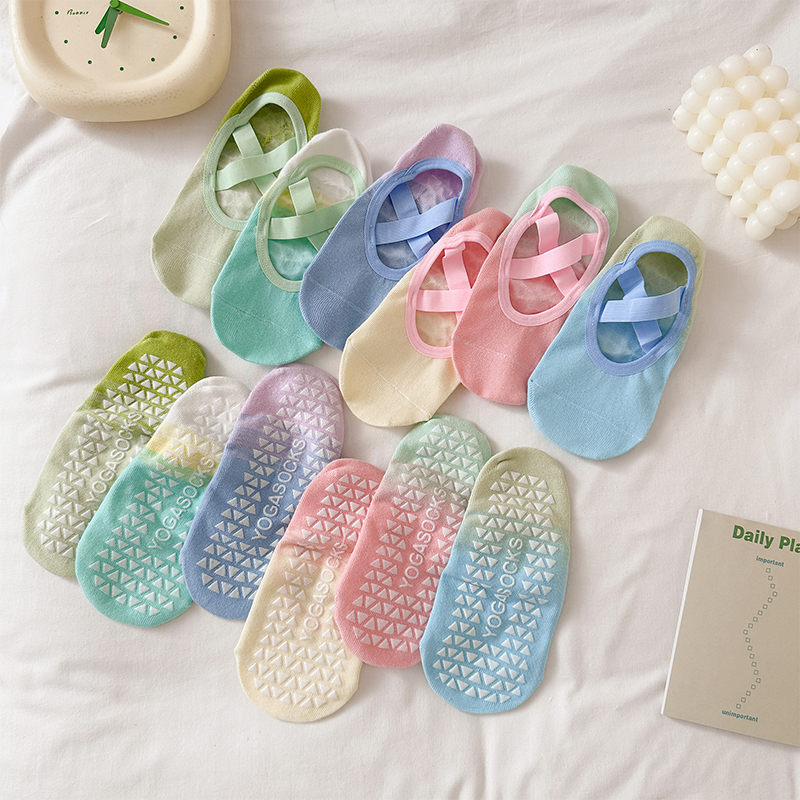
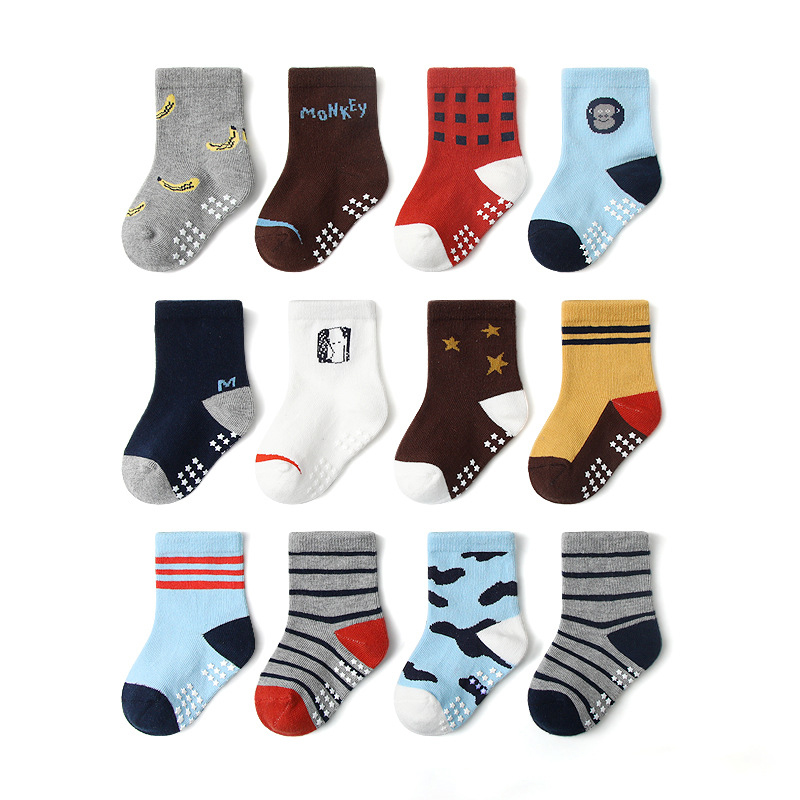
As babies grow, especially when they start crawling or standing, foot stability becomes crucial. Baby socks with non-slip designs help reduce slipping on surfaces, providing better traction and decreasing the risk of falls. Non-slip socks are essential for babies during their learning-to-walk stage.
Providing Foot Breathability
Foot breathability is key to newborn health. Babies have highly developed sweat glands on their feet, and if socks are not breathable, they can cause the feet to become damp, which increases the risk of conditions like eczema or other skin problems. Choosing breathable baby socks allows air circulation, keeping the feet dry and reducing discomfort.
Preventing Toe Deformities
The design of baby socks is not only for warmth and comfort but also impacts the shape of the toes. Tight socks can compress the toes, affecting their normal development and potentially causing deformities. Loose, soft socks provide enough space for the toes to move naturally, helping maintain their natural growth.
Enhancing Overall Comfort
Choosing the right baby socks enhances the baby’s overall comfort, preventing discomfort caused by ill-fitting socks. Babies wearing uncomfortable socks may frequently scratch or kick off the socks, disturbing their sleep. To improve comfort, it is important to choose socks without hard seams or excessive decorations, ensuring the baby wears socks without extra pressure or discomfort.
Adapting to Seasonal Needs
Baby socks should be chosen according to seasonal changes. In cold weather, warm socks help the baby resist low temperatures, while in warmer seasons, breathable socks prevent the feet from becoming too damp, keeping them dry. Choosing baby socks suitable for seasonal changes helps maintain foot health.

 English
 Español