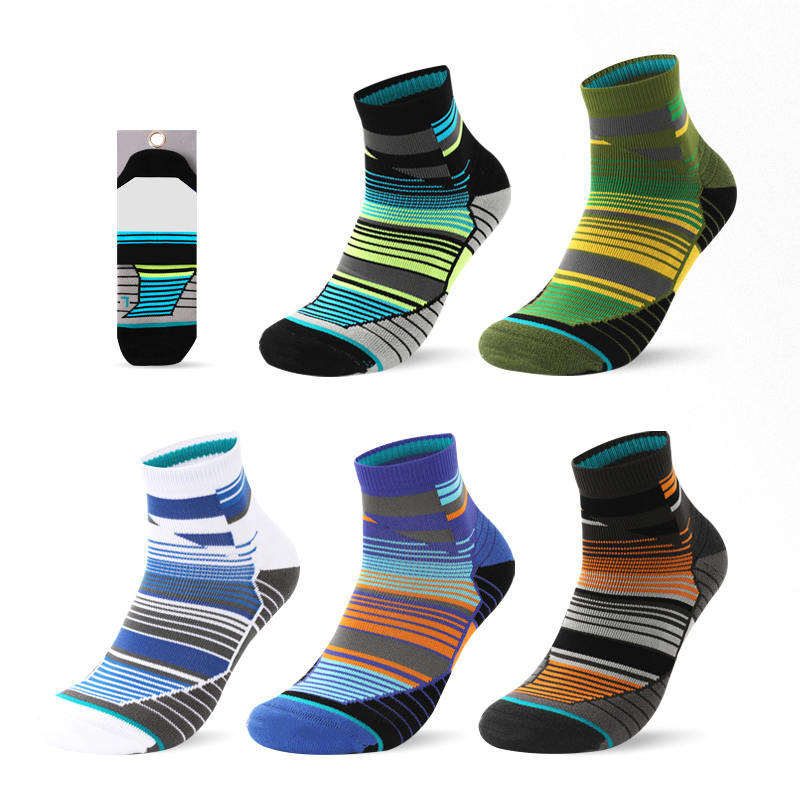
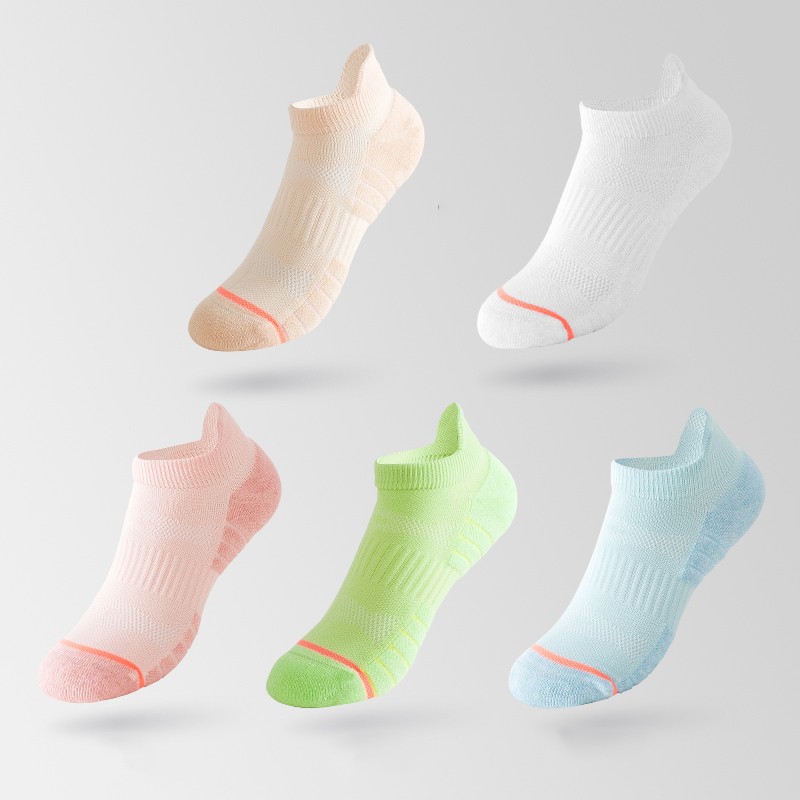
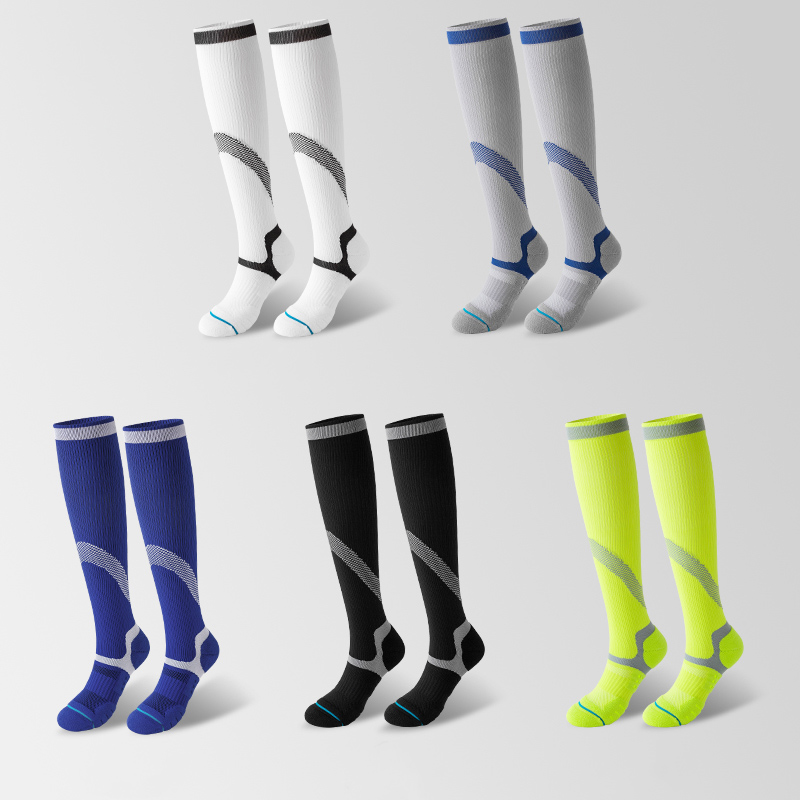
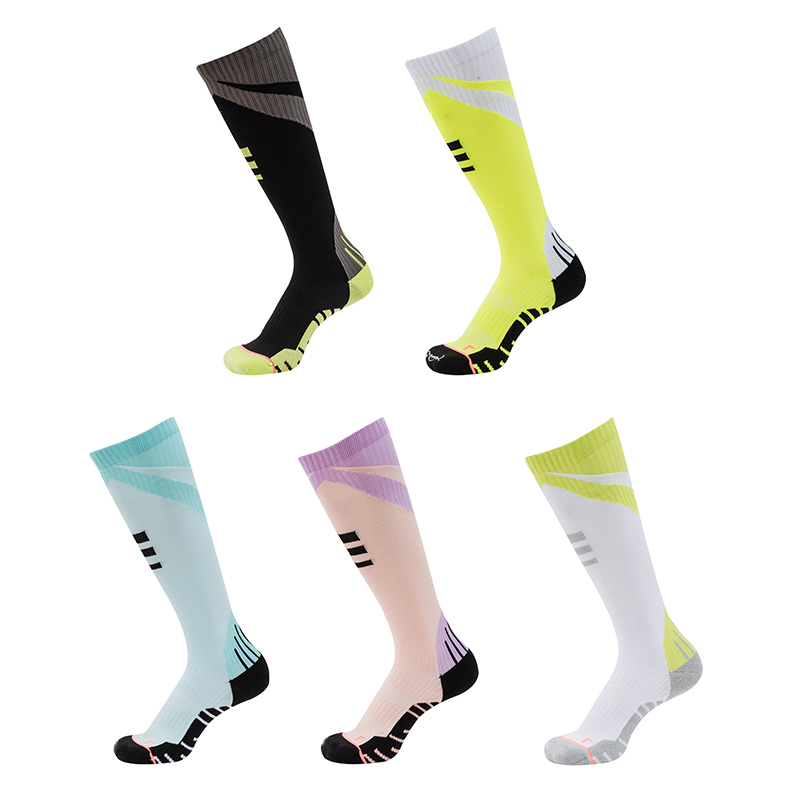
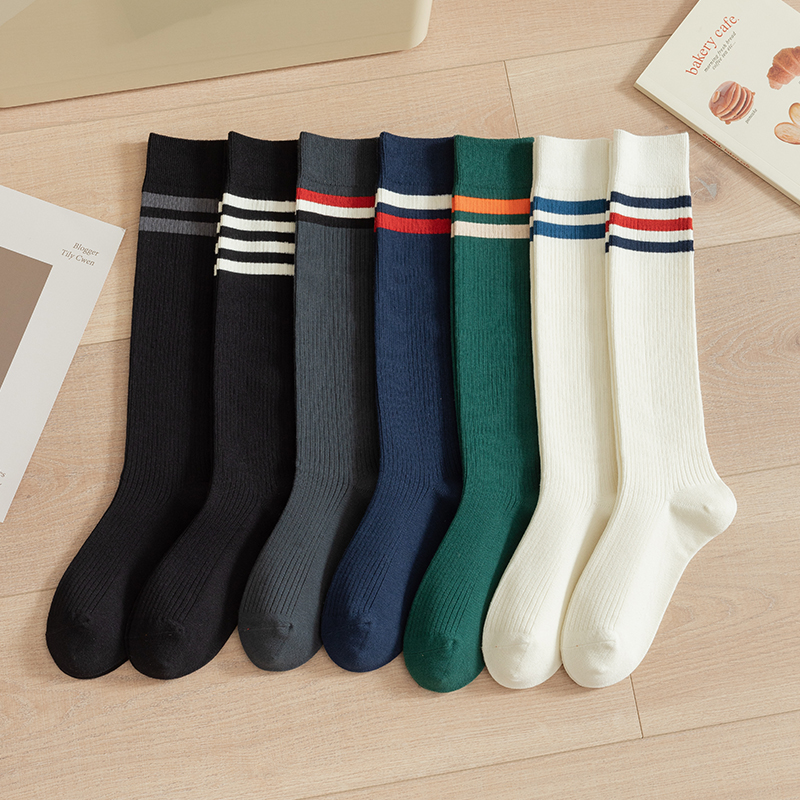
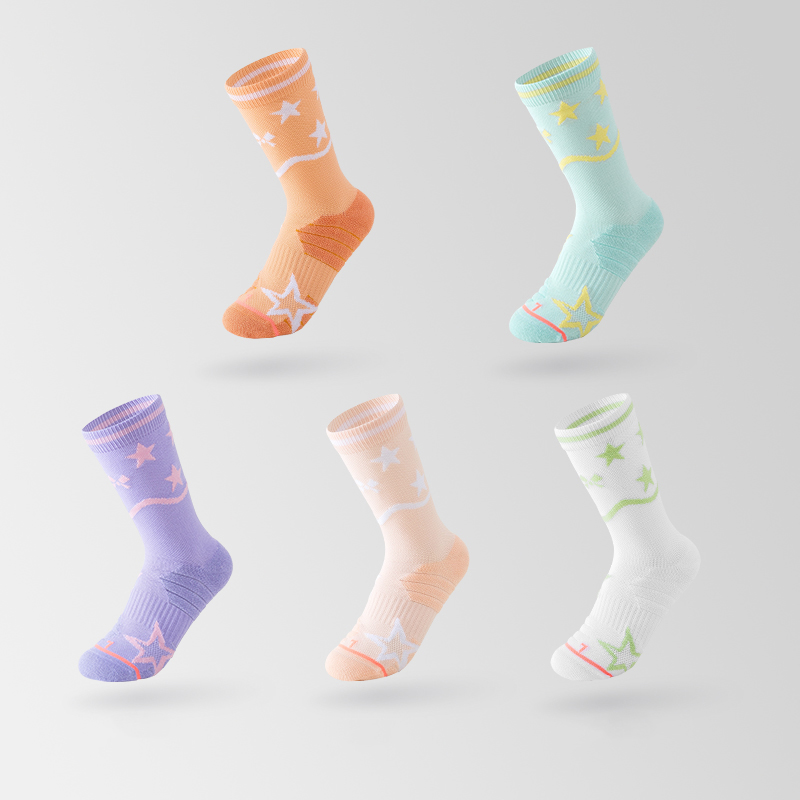
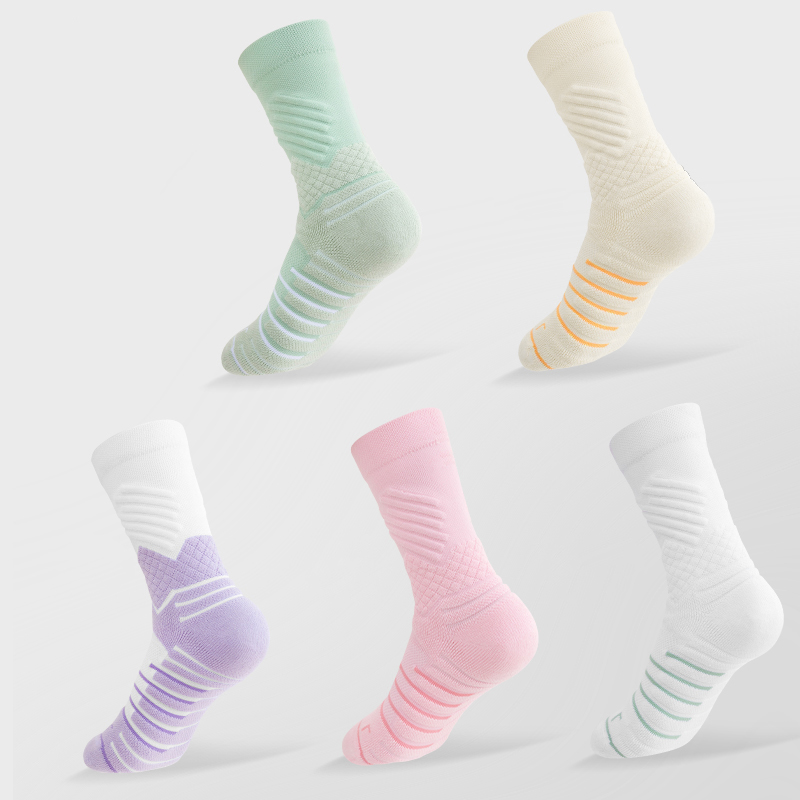
Cycling is a high-intensity sport, especially during long rides, when a cyclist's feet are vulnerable to friction and pressure, leading to blisters and chafing. Men's cycling socks, as an essential part of cycling gear, play a vital role in preventing discomfort and ensuring a safe and comfortable riding experience.
Material Selection: Ensuring Comfort and Moisture Wicking
The material of men's cycling socks directly affects foot comfort. Traditional cotton socks tend to absorb sweat and retain moisture, creating a favorable environment for friction and blister formation. In contrast, professional men's cycling socks are usually made from moisture-wicking synthetic fibers such as polyester, nylon, and spandex, which quickly absorb and expel sweat, keeping the feet dry and minimizing friction caused by moisture. Additionally, some cycling socks are made from Merino wool, a natural fiber known for its excellent moisture-wicking properties and ability to maintain foot temperature, preventing friction caused by wetness.
Seamless Design: Reducing Sources of Friction
Friction is one of the primary causes of blisters and discomfort. Many high-quality men's cycling socks feature seamless construction, eliminating the seams found in traditional socks around the toes, heels, and arches. These seams are often the main sources of friction. Seamless socks minimize friction between the skin and the sock, lowering the risk of blisters during long rides. This design not only enhances comfort but also prevents heat buildup in areas where friction typically occurs.
Compression and Support: Improving Circulation and Reducing Fatigue
Many men's cycling socks offer compression features. By applying moderate pressure to specific foot areas, these socks can significantly improve blood circulation and reduce foot fatigue caused by poor blood flow. Foot fatigue often comes with muscle vibration and instability, which in turn increases the likelihood of friction. Compression designs help reduce foot vibrations, thereby minimizing the occurrence of blisters and chafing. Furthermore, the supportive design of these socks, particularly around the arch and ankle, helps maintain proper foot positioning, preventing unnecessary movement and friction.
Breathability and Antibacterial Technology: Reducing Moisture and Odor
During long rides, feet tend to sweat, creating an environment where bacteria and fungi can thrive. If socks lack breathability, moisture will accumulate, increasing the risk of blisters and chafing. Professional men's cycling socks typically use highly breathable materials, such as mesh-knit fabrics, that allow air to circulate, keeping feet dry. Moreover, many cycling socks incorporate antibacterial technology, which inhibits bacterial growth, reducing the chances of skin infections or foot odor caused by excessive moisture.
Proper Sizing and Fit: Avoiding Unnecessary Movement and Friction
The size and fit of the socks are crucial in preventing blisters and chafing. Socks that are too small can cause compression at the toes and ankles, while socks that are too large may shift, causing friction and rubbing. Professional men's cycling socks are designed with different levels of tension in different foot regions. For example, the toe section may be slightly looser, while the arch and ankle areas offer more support. This ensures that the socks stay in place during the entire ride, minimizing friction between the foot and the shoe, thereby preventing blisters.
Elastic Design: Contouring to the Foot's Natural Shape to Prevent Excessive Friction
Another key feature in preventing friction and blisters is the elastic design of men's cycling socks. Elastic materials adapt to the foot's natural shape, ensuring that the sock fits snugly and does not wrinkle or slide during the ride. Especially during long-distance cycling, the height and fit of the sock are crucial. A well-designed elastic structure helps keep the sock in place, reducing friction between the sock and foot, and minimizing the risk of blisters.
Versatility and Durability: Adapting to Different Weather Conditions
Men's cycling socks are designed to be versatile, catering to a wide range of weather conditions. In hot weather, lightweight, breathable socks are used to ensure that the feet stay cool and dry, preventing sweat from accumulating. In colder conditions, cycling socks are thicker and provide better insulation, keeping feet warm and preventing cracks or friction caused by cold temperatures. Moreover, these socks are built to be durable, maintaining their performance even after repeated washes and long rides, reducing the risk of friction due to worn-out materials.

 English
 Español